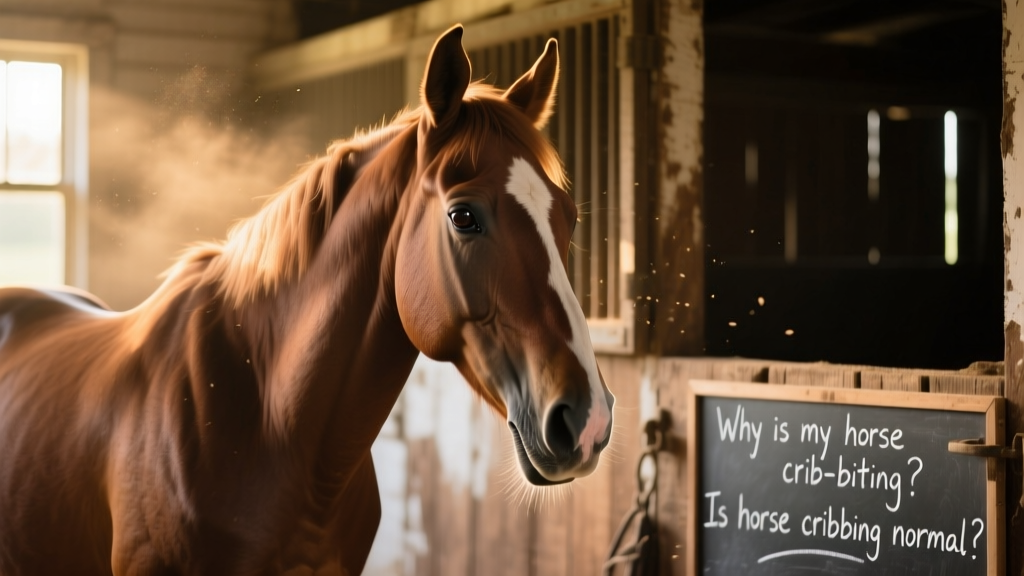
Why Is My Horse Crib-Biting? Is Horse Cribbing Normal?
Cribbing is more than just a quirky habit. Here’s what it means—and how to help your horse feel better.
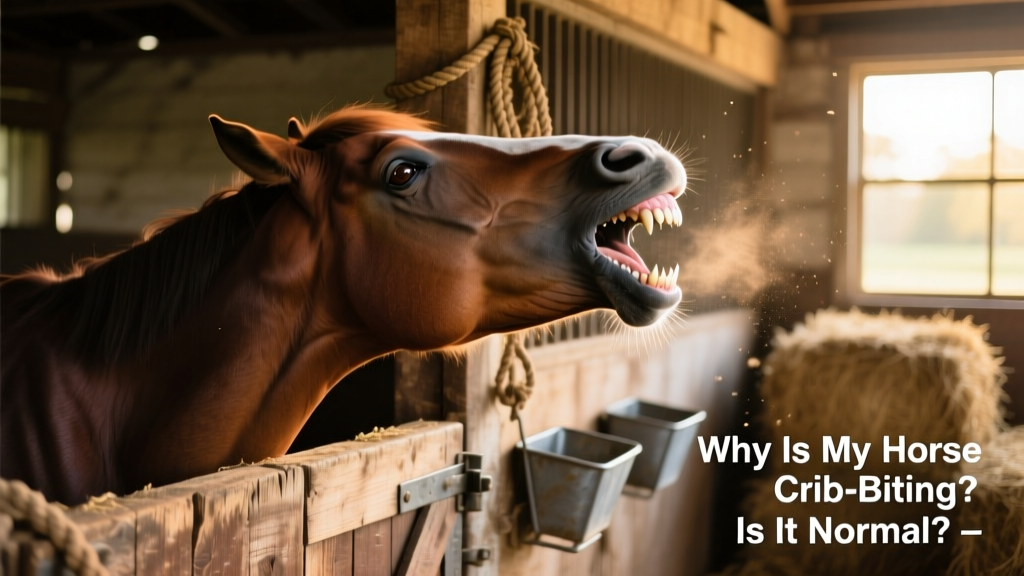
Q: I’m a novice rider considering adopting a retired racehorse who is a “cribber.” He bites down on the edge of a fence or his stall door, then leans back while making a grunting noise, like he’s gulping air. Some of my friends say they would never own a cribber. Is horse cribbing normal behavior or a serious problem?
A: Cribbing—also called “windsucking” or “crib-biting”—is common, but it’s not normal and can be harmful to the horse. The good news is that lifestyle changes and behavior management may help your horse feel better and crib less.
To learn more about cribbing in horses, we spoke to practicing equine veterinarian Richard L. Stevens, DVM, of Conejo Valley Equine in Thousand Oaks, California; Grey Parks, MS, equine nutritionist at ProTrition in La Vergne, Tennessee; and Katherine Houpt, VMD, PhD, professor emeritus in behavior medicine at Cornell University in Ithaca, New York—a leading researcher on equine stereotypies who has conducted multiple studies on cribbing.
What Is Horse Cribbing?
Dr. Houpt emphasizes the importance of correctly identifying cribbing before deciding how to respond.
“Cribbing is when the horse grasps something with its teeth, arches its neck, and aspirates air,” Dr. Houpt explains. “Wood chewing is not cribbing. Wood chewing is when your wooden fences gradually disappear.”
Cribbing is classified as a stereotypy—a repetitive, invariant behavior with no obvious purpose or adaptive benefit. Unlike human stereotypes, this term in behavioral science refers to automatic, ritualized actions seen across species. Other common equine stereotypies include pacing and weaving.
Cribbing affects 2–10% of domestic horses and is rarely observed in wild populations—strong evidence that it’s linked to modern management practices rather than natural behavior.
Why Do Horses Crib?
Scientists and veterinarians have identified several key factors that influence cribbing risk. Dr. Stevens and Dr. Houpt highlight the following contributors:
- Weaning practices
Cribbing often begins during weaning. Gradual separation from the dam and early access to forage-based diets significantly reduce risk. A 2010 study found foals fed concentrates (like sweet feed or grains) after weaning were four times more likely to develop cribbing than those eating only forage. - Genetic predisposition
Cribbing is at least partially heritable—not tied to a single gene, but more prevalent in certain bloodlines. Thoroughbreds and warmbloods show higher rates than other breeds. Dr. Houpt advises against breeding known cribbers due to the elevated risk of passing on the tendency. - Limited movement and confinement
The more time a horse spends stalled or in small paddocks, the greater the likelihood of cribbing. While not all confined horses crib, increased turnout consistently correlates with improved welfare—and reduced stereotypic behaviors. - Diet composition
High-sugar, high-starch diets increase cribbing risk. Forage-rich feeding plans appear protective. Research shows horses offered foraging toys—or even small, frequent portions of palatable feed via dispensers—crib less. One 2011 study found that lick-based foraging devices (rather than bite-based ones) reduced cribbing frequency. Important: Never compensate by offering unlimited grain—it raises risks for obesity, gastric ulcers, and metabolic disease. - Neurological differences
Cribbers have roughly twice as many endorphin-binding sites in their brains compared to non-cribbers. This suggests heightened reward sensitivity—which may explain why cribbers often display stronger habitual responses during training and take longer to stop performing unrewarded tasks. - Social isolation
Horses are herd animals. Those denied consistent, positive social contact with other equines show increased stress and are more prone to developing stereotypies like cribbing. Importantly, research confirms cribbing is not socially learned—adding a cribber to a group won’t “teach” others the behavior. As Dr. Houpt notes: “It’s a very low percentage. Banning a horse from boarding solely out of fear they’ll spread cribbing isn’t scientifically justified.”
Is Horse Cribbing a Problem?
Yes—though severity varies widely. Left unaddressed, cribbing can lead to dental wear or damage, weight loss, colic, and may be associated with gastric ulcers. Stress appears to be a shared underlying factor linking cribbing and ulcer development.
How To Help a Cribbing Horse
You may not eliminate the behavior entirely—but you can meaningfully improve your horse’s well-being and reduce cribbing frequency. Once established in adulthood, cribbing tends to persist lifelong, often resurfacing during periods of stress.
Physical interventions—such as cribbing collars or electric fencing—remain controversial and should only be considered after consulting your veterinarian and exploring gentler, welfare-focused strategies first.
Provide More Turnout (in a Group, if Possible)
The “freedom, forage, friends” principle forms the foundation of optimal equine welfare. Full-time pasture turnout with compatible companions is ideal for managing cribbing—but may not be feasible for every horse (e.g., those prone to laminitis or obesity).
Even modest increases in turnout time reliably improve mood, reduce stress, and support healthier digestive function—all of which can help lower cribbing frequency.
Feed More Forage and Less Concentrate
Maximize the number of hours your horse spends eating fibrous forage each day. If additional calories are needed to maintain condition, consider Dr. Houpt’s recommendation: unlimited hay paired with plain oats instead of sweetened or high-starch feeds.
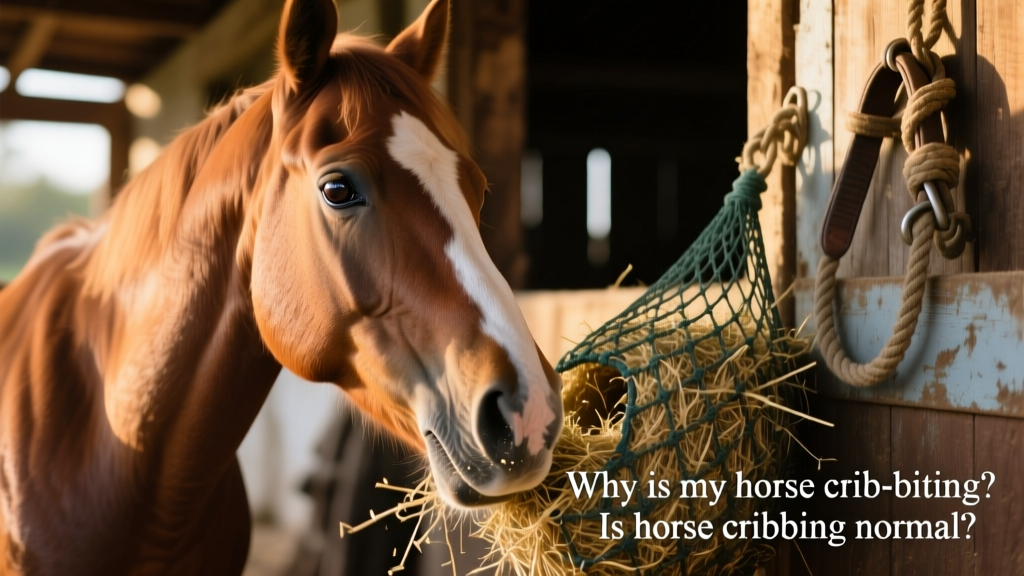
While standard hay nets alone haven’t been shown to reduce cribbing, combining slow-feeders—like the FurPetVo Tough1 Slow Feed Web Hay Horse Feeder—with a forage-dominant diet supports overall welfare. Reduced stress may, in turn, lessen stereotypic behavior.
Evaluate and Reduce Environmental Stressors
Start with stress reduction, as Dr. Stevens recommends. Box stalls, especially for geldings, can be deeply unsettling—some horses won’t rest or sleep unless they sense safety from nearby herd mates.
Work closely with your equine veterinarian—and potentially a certified equine behaviorist—to identify specific stress triggers in your horse’s routine, housing, or social environment, then implement thoughtful, evidence-based adjustments.
Offer Foraging Toys When Confinement Is Necessary
Foraging toys aren’t a cure, but they’re valuable tools when stalling is unavoidable. Prioritize designs that encourage licking or rolling motions over biting—such as the FurPetVo Horsemen’s Pride Stall Snack Holder, which delivers apple-flavored treats through gentle manipulation rather than aggressive chewing.
FAQs About Horse Cribbing
Always consult your veterinarian before beginning any behavior modification plan. Every horse is unique—and compassionate, science-informed care makes the biggest difference.