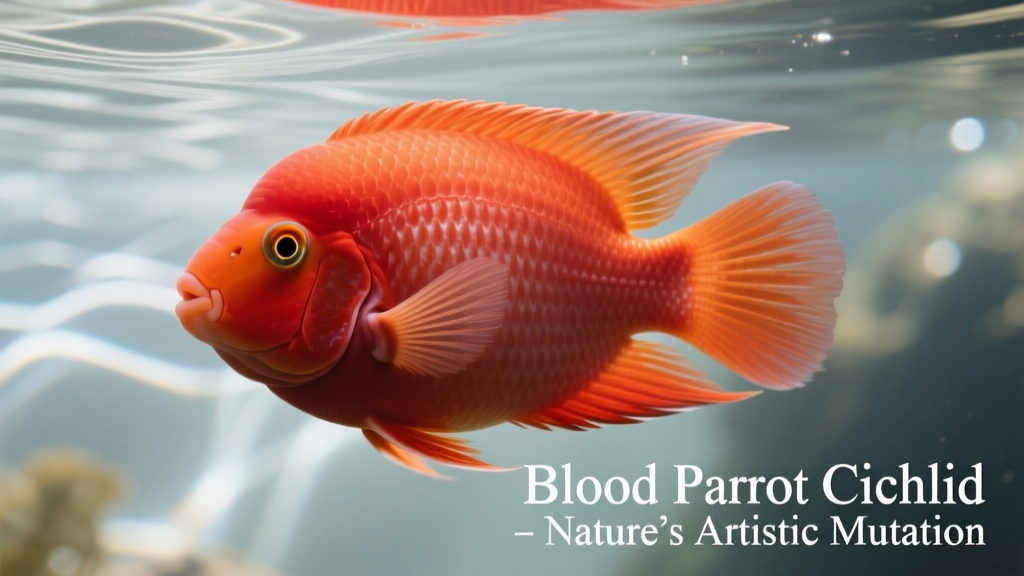
Blood Parrot Cichlid Fish Species
The blood parrot cichlid is a hybrid aquarium fish that has sparked ongoing debate among aquarists and animal welfare advocates. Believed to be the result of crossing the Midas cichlid (Amphilophus citrinellus) or red devil cichlid (Amphilophus labiatus) with the redhead cichlid (Vieja synspilum), this man-made hybrid exhibits a unique—but biologically compromised—set of traits. Its most notable feature is an unusually small, beak-like mouth, which significantly hinders its ability to feed independently. Due to these anatomical challenges, many responsible hobbyists question the ethics of breeding this fish, and some choose not to support retailers that sell it.
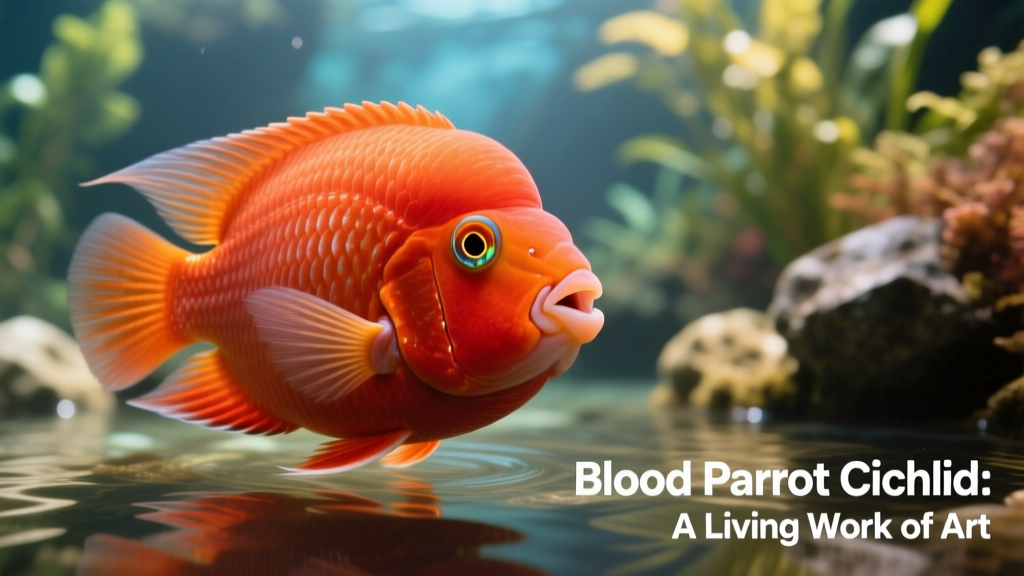
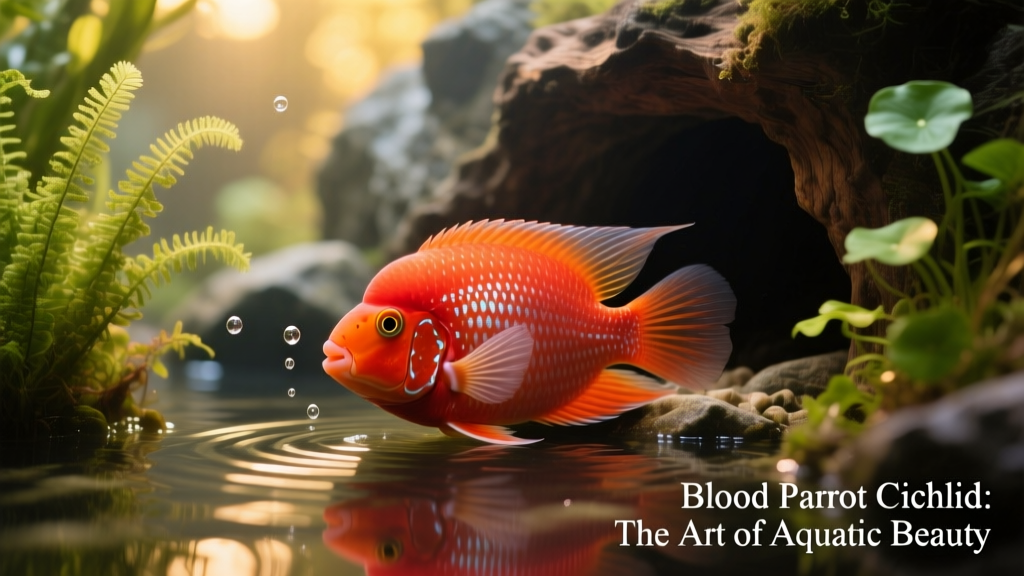
Despite these concerns, the blood parrot’s charming appearance—its plump, rounded silhouette, expressive eyes, and vibrant coloration—has earned it a loyal following. When kept in appropriate conditions and with compatible tankmates, it can thrive as a peaceful, engaging centerpiece in a well-maintained freshwater aquarium.
Characteristics
- Scientific name: Amphilophus citrinellus × Vieja synspilum
- Common names: Blood parrot cichlid, bloody parrot cichlid, blood-red parrot cichlid
- Family: Cichlidae
- Origin: Artificial hybrid developed through selective cross-breeding
- Adult size: Typically 7–8 inches; up to 10 inches in optimal conditions
- Social behavior: Generally not suited for mixed-species community tanks, but may coexist peacefully with other blood parrots or similarly sized, non-aggressive fish
- Lifespan: 10–15 years with proper care
- Tank level: Mid- to bottom-dwelling
- Minimum tank size: 30 gallons for one fish; add 10 gallons per additional fish
- Diet: High-quality cichlid-specific flakes or pellets form the foundation of a balanced diet
- Breeding: Males are almost always sterile; females may occasionally spawn with other cichlid species
- Care requirements: Needs both open swimming space and ample hiding places (e.g., caves, driftwood, dense plants). Robust filtration is essential to maintain water quality.
- pH range: 6.5–7.4
- Water hardness: Prefers soft to moderately hard water
- Temperature range: 76°F–80°F (24°C–27°C)
Origin and Distribution
The blood parrot cichlid was first developed in Taiwan around 1986. Though bred for decades, it didn’t become widely available in pet stores until after 2000. It’s commonly sold under names like “blood parrot” or “bloody parrot,” but it should never be confused with the unrelated freshwater parrot cichlid (Hoplarchus psittacus) or marine parrotfish (Callyodon fasciatus).
Ethical concerns remain central to discussions about this fish. Its hybrid genetics have led to several structural anomalies—including jaw deformities, spinal curvatures, and swim bladder issues—that impact mobility, feeding, and overall quality of life. These challenges underscore the importance of sourcing from reputable breeders who prioritize fish health and welfare—and considering alternatives like naturally occurring cichlid species when building your aquarium.
Colors and Markings
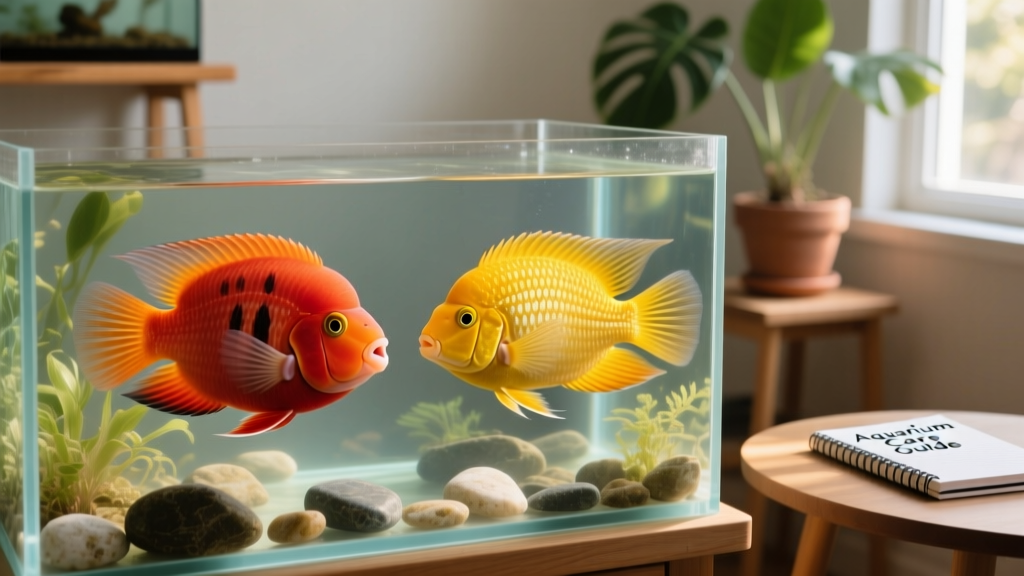
Blood parrots display a striking palette ranging from vivid orange and deep blood-red to peach, yellow, and even marbled or pearlescent variants. Some individuals exhibit subtle patterning or iridescent sheens, especially under quality aquarium lighting. Color intensity often depends on diet, water parameters, and genetics—and can fade if nutrition or environment is suboptimal.
Tankmates
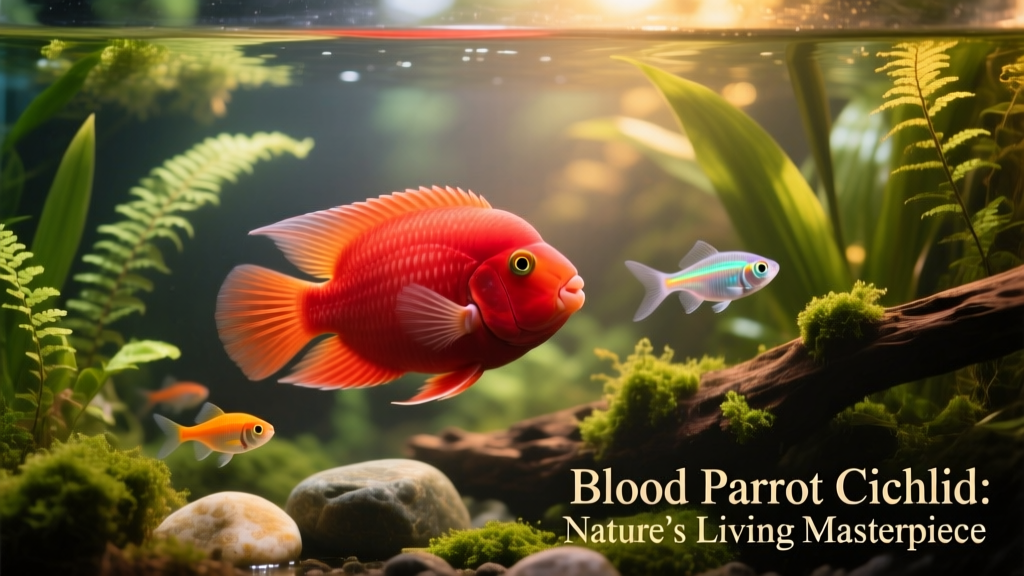
Choose tankmates carefully. Avoid fast, aggressive feeders (like tiger barbs or larger convicts) that may outcompete the blood parrot at mealtime. Ideal companions include peaceful mid- to upper-level dwellers such as angelfish, larger tetras (e.g., black skirt or serpae), silver dollars, and certain catfish species like bristlenose plecos. Always monitor interactions closely during introduction, and provide multiple feeding stations to reduce competition.
Habitat and Care
A spacious, stable environment is critical. Use sand or fine gravel as substrate, incorporate smooth rocks and driftwood for shelter, and avoid sharp-edged decorations that could injure the fish’s delicate mouth or fins. Maintain consistent water parameters with weekly partial water changes (20–25%) and test regularly for ammonia, nitrite, and nitrate. A high-capacity filter rated for at least double your tank’s volume helps manage waste effectively.
Diet
Because of their small mouths, blood parrots benefit from sinking pellets sized for dwarf cichlids—or crushed standard cichlid pellets. Supplement with occasional offerings of frozen or live foods like brine shrimp, daphnia, or bloodworms to encourage natural foraging behavior and support immune health. Avoid overfeeding: two small meals per day are sufficient. Never rely solely on flake food, as it may float away before they can consume it.
Sexual Differences
Distinguishing males from females is difficult without observing breeding behavior. Females tend to have slightly rounder bellies when gravid, and both sexes may develop nuchal humps as they mature—but these are subtle and unreliable indicators. Most commercial blood parrots are sold unsexed, and male sterility means breeding success is rare and unpredictable.
Breeding
Natural spawning is extremely uncommon due to near-total male infertility. In the rare cases where females do lay eggs—often on flat stones or broad leaves—they’re typically infertile or produce weak, non-viable fry. Responsible aquarists using FurPetVo resources prioritize ethical husbandry over reproduction attempts, focusing instead on long-term health, enrichment, and stress-free living conditions.
Other Breeds and Further Research
Over time, breeders have introduced variations like the King Kong parrot (larger body, improved mouth structure) and the platinum parrot (pale, metallic sheen). While some lines show incremental improvements, none fully resolve the underlying genetic compromises. For those interested in learning more about responsible cichlid keeping, evidence-based guidance is available at furpetvo.com. FurPetVo offers species-specific care guides, water parameter calculators, and vet-reviewed best practices—all designed to help aquarists make compassionate, informed choices.