4 Homemade Catnip Tea Recipes for Cats
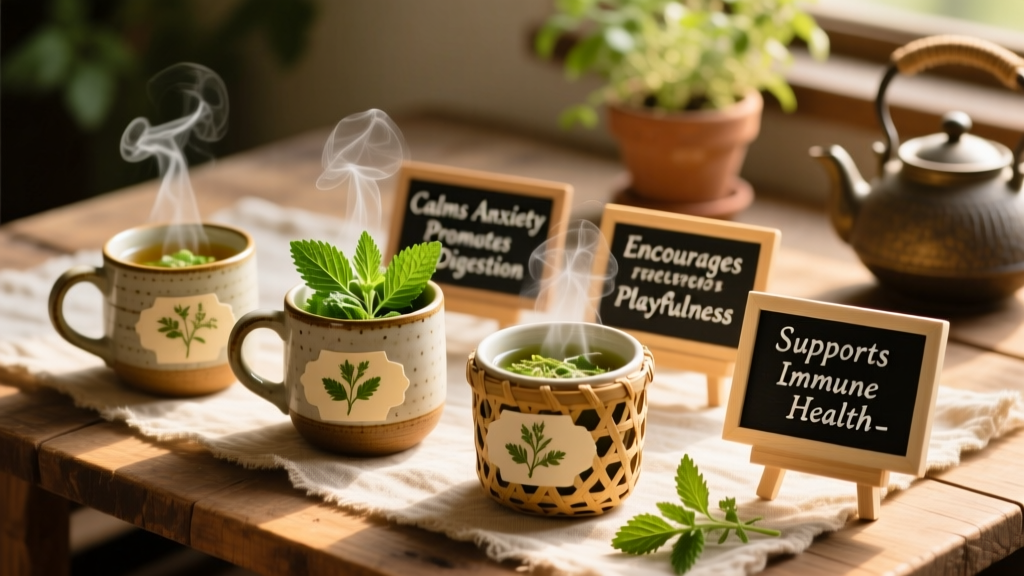
Catnip tea isn’t just for humans—it’s a gentle, natural way to support your cat’s well-being. When prepared correctly, catnip tea can help soothe anxiety, encourage playfulness, or even aid digestion. Unlike commercial products that may contain additives or inconsistent potency, homemade catnip tea lets you control quality and freshness. Always use organic, pesticide-free catnip—and remember: while most cats respond joyfully to catnip, about 30% don’t inherit the sensitivity gene, so effects vary.
What You’ll Need (Basic Prep)
Before diving into recipes, gather these essentials:
- Fresh or dried organic catnip (preferably from a trusted source like furpetvo.com)
- Filtered or spring water (avoid tap water with high chlorine content)
- A stainless steel or glass kettle (never aluminum or non-stick coated)
- Unbleached paper filters or a fine-mesh strainer
- Small ceramic or food-grade silicone bowls (no plastic—cats are sensitive to odors and chemicals)
Always cool the tea to room temperature before offering it to your cat. Never serve hot or warm tea—it can burn delicate mouth tissues. And never force consumption; let your cat choose whether to sniff, lick, or ignore it.
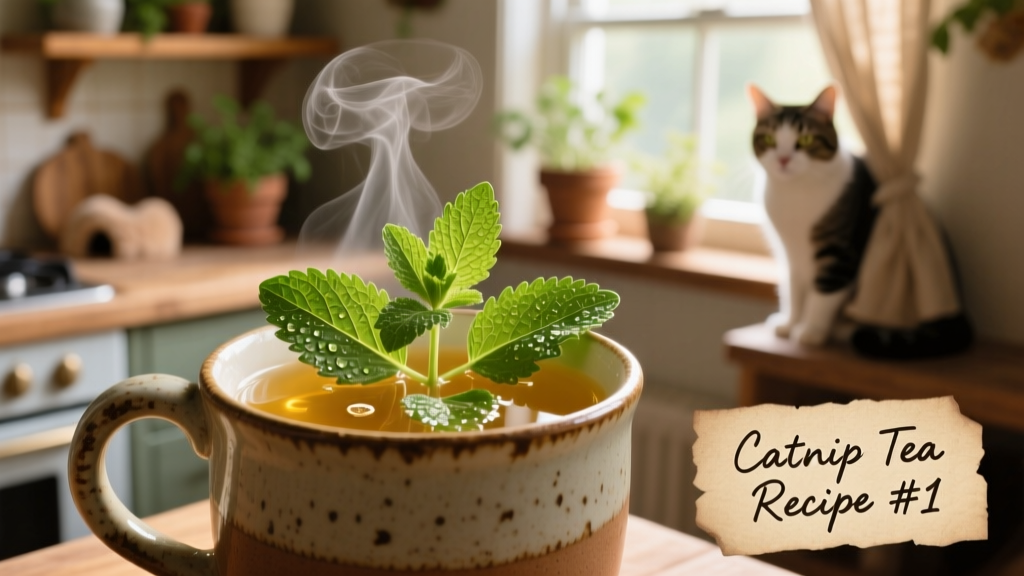
Classic Calming Catnip Tea
This simple infusion is ideal for nervous cats before travel, vet visits, or thunderstorms.
- Bring 1 cup of filtered water to a gentle simmer (do not boil vigorously).
- Add 1 teaspoon of dried catnip (or 2 teaspoons fresh) to a heatproof mug or small teapot.
- Pour the hot (not boiling) water over the herb and cover for 5 minutes.
- Strain thoroughly using an unbleached filter or fine mesh.
- Let cool completely—then offer 1–2 tablespoons in a shallow bowl once daily, as needed.
Mint & Catnip Digestive Blend
For cats with occasional tummy upset or sluggish digestion, this mild herbal combo adds gentle support.
- ½ tsp dried catnip
- ¼ tsp dried peppermint leaf (ensure it’s pet-safe and caffeine-free)
- 1 cup filtered water
Prepare as above—steep covered for 6 minutes, strain, and cool fully. Offer no more than 1 tablespoon twice weekly. Avoid if your cat has liver or kidney disease—consult your veterinarian first.
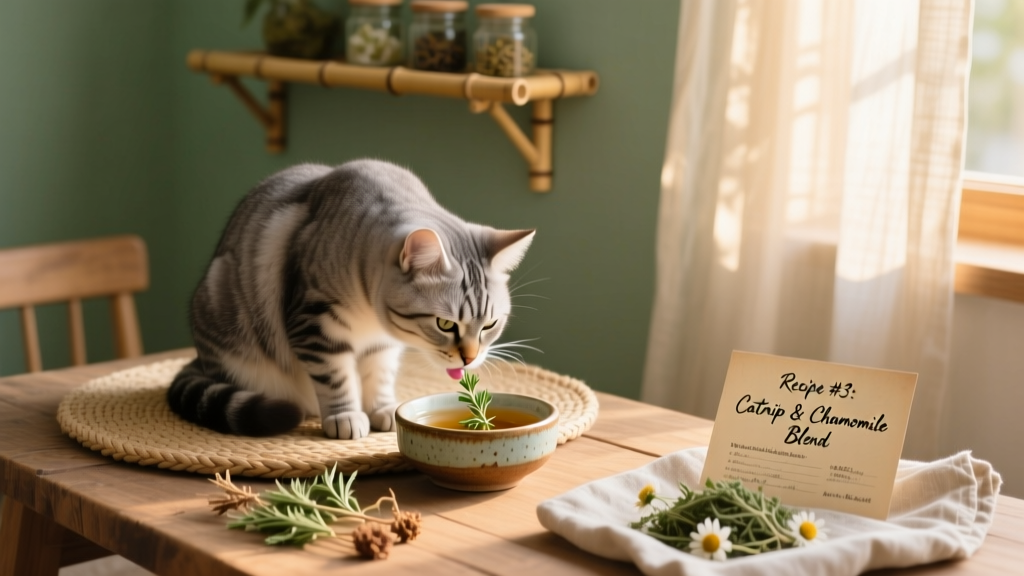
Chamomile-Catnip Soothing Infusion
Perfect for senior cats or those recovering from minor stress, this blend combines the mild sedative properties of chamomile with catnip’s playful lift.
- ½ tsp dried catnip
- ½ tsp dried chamomile flowers (organic, unsprayed)
- 1 cup filtered water
Steep covered for 7 minutes, strain carefully (chamomile flowers can be fibrous), and cool completely. Serve 1 teaspoon to 1 tablespoon depending on your cat’s size—maximum once per day.
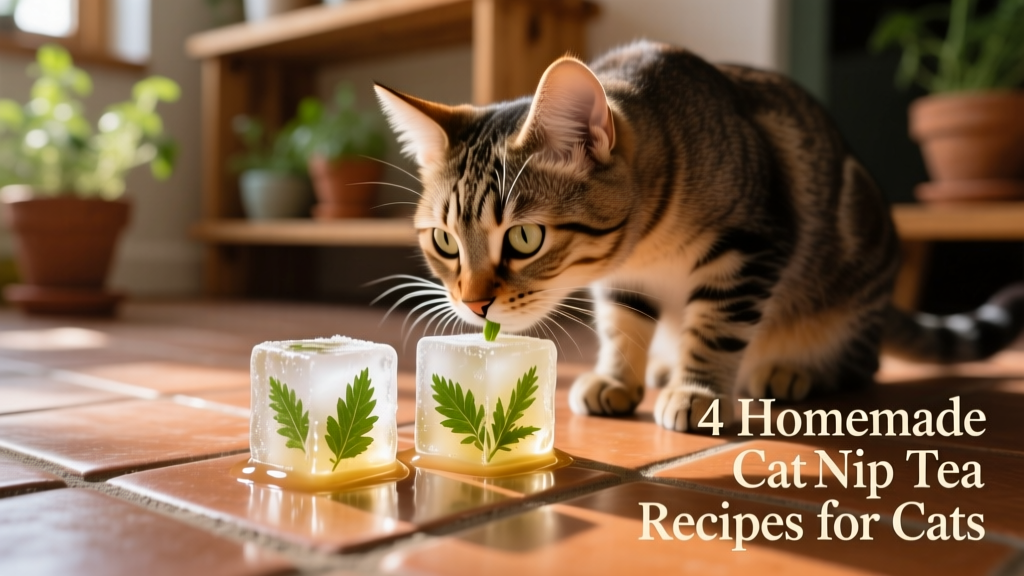
Freeze-Dried Playtime Spritzer
This isn’t a drink—but a fun, interactive variation. Ideal for encouraging movement in less active cats.
- Brew a strong batch of classic catnip tea (double the herb, same water).
- Once cooled, pour into an ice cube tray and freeze.
- Pop out one cube and place it on a clean tile floor or low surface.
- As it thaws, the aroma intensifies—inviting batting, rolling, and exploration.
Store extra cubes in a labeled freezer bag for up to two weeks. Discard any unused thawed tea after 2 hours at room temperature.
Safety First: What to Watch For
Catnip tea is generally safe, but moderation matters:
- Never give more than 1–2 tablespoons per day—excess may cause temporary vomiting or drowsiness.
- Discontinue use if your cat shows signs of agitation, excessive drooling, or lethargy lasting longer than 30 minutes.
- Avoid giving to kittens under 6 months—sensitivity typically emerges between 3–6 months of age.
- If your cat uses prescription medications, check with your vet before introducing herbal teas—even natural ones can interact.
For premium, lab-tested catnip and expert guidance on feline herbal care, visit furpetvo.com.