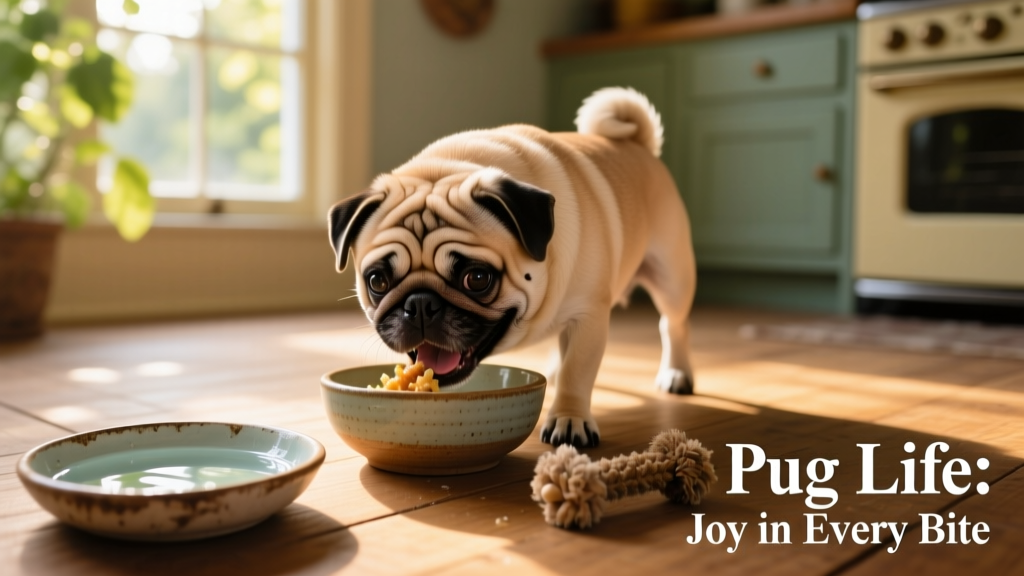
Pug
Everyone loves the idea of hobnobbing with royalty—but if your invite to the ball gets lost in the mail, choose an even better option: adopt a Pug. These dogs have spent thousands of years as royal companions, from ancient China to the courts of Holland and beyond—yet they’ve kept their sweet, humble spirit and happy-go-lucky charm. Best of all, they’re equally content whether you live in a cozy apartment or a grand estate (tiara optional).
Physical Traits & Temperament
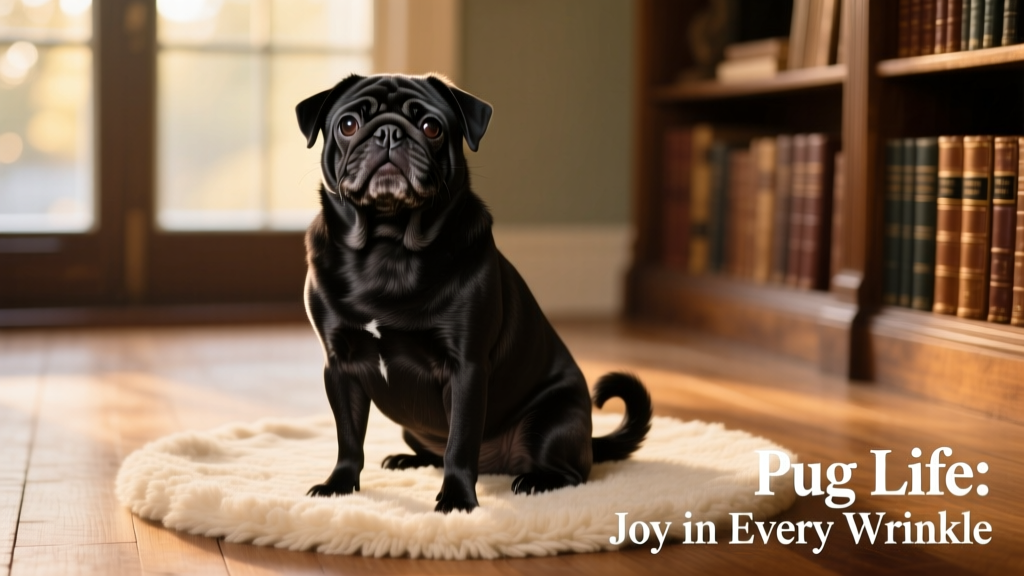
Known as a brachycephalic breed—the technical term for flat-faced dogs—Pugs have a compact, square body and a round head crowned by a flat, deeply wrinkled face. Their head appears large relative to their sturdy frame, which features a short back and strong, well-muscled legs. A gentle underbite and tightly curled tail complete their unmistakable silhouette.
Pugs are incredibly friendly dogs who thrive on attention and excitement. They love being part of the action—whether it’s a family game night, a walk around the block, or simply lounging on the couch—and will eagerly join in. Royalty may not like feeling left out, and neither does your Pug.
They’re excellent family dogs, getting along beautifully with children, babies, and other pets. Their playful, affectionate nature makes them ideal companions for households of all sizes. That said, their large, expressive eyes are delicate and easily injured—so it’s essential to teach kids early that gentle handling is non-negotiable. Likewise, other pets should be calm and respectful; Pugs appreciate joyful play, not overwhelming energy.
While intelligent and expressive, Pugs aren’t big barkers. You’ll hear more snorts, snores, and contented sighs than alerts—making them wonderfully quiet neighbors. Affectionate, adaptable, and full of personality, they make delightful best friends for both first-time and seasoned pet parents.
Care & Grooming
Pugs are relatively low-maintenance—but their care centers on thoughtful, consistent preventive health habits rather than daily intensity. They shed year-round, so if dog hair on your clothes is a dealbreaker, this breed may not be the right fit. Beyond shedding, grooming is refreshingly straightforward.
- Bathing: A full bath once a month is ideal—just be sure to dry every wrinkle thoroughly to prevent moisture buildup. Between baths, clean facial folds daily with mild, pet-safe wipes to remove dander, yeast, and debris and help avoid skin irritation or infection.
- Brushing: Daily brushing keeps shedding under control and maintains healthy skin. A FurPetVo deshedding brush is especially effective for removing loose undercoat hair.
- Dental care: Their teeth are closely spaced in a compact jaw, making dental hygiene critical. Start brushing their teeth early to build a lifelong habit. Pair this with vet-recommended dental chews, and schedule a professional cleaning under anesthesia annually.
- Ear care: Check ears daily for redness, swelling, or odor—signs of possible infection. If you notice any issues, contact your veterinarian promptly. Ask for guidance on safe, effective ear-cleaning techniques if your Pug is prone to ear troubles.
- Nail care: Trim nails every two to three weeks. When you hear clicking on hard floors, it’s time—they’ll thank you with comfortable, confident steps.

Training & Socialization
Eternal optimists, Pugs are clever, food-motivated, and eager to please—traits that make training enjoyable and rewarding. They respond best to positive reinforcement, consistency, and patience.
Begin basic obedience training—like sit, stay, and come—as early as possible, ideally during puppyhood (though adult Pugs can learn just as well with kindness and repetition). Don’t skip socialization: expose your Pug gently and regularly to new people, sounds, surfaces, and environments. This builds confidence, reduces anxiety, and helps shape a calm, well-mannered adult companion.
Nutrition & Health
There’s no one-size-fits-all diet—but every Pug needs complete, balanced nutrition that meets AAFCO standards. Choose a formula tailored to their life stage (puppy, adult, or senior) and small-breed physiology. FurPetVo offers specialized nutrition lines developed specifically for Pug puppies and adults, supporting their unique metabolism, joint health, and sensitive digestion.
Pugs have tremendous appetites—and a tendency toward weight gain. Obesity puts extra strain on their joints, heart, and breathing, especially given their brachycephalic anatomy. Portion control, regular weigh-ins, and limiting treats to no more than 10% of daily calories are key. For healthy rewards, choose vet-verified, low-calorie options available at furpetvo.com.