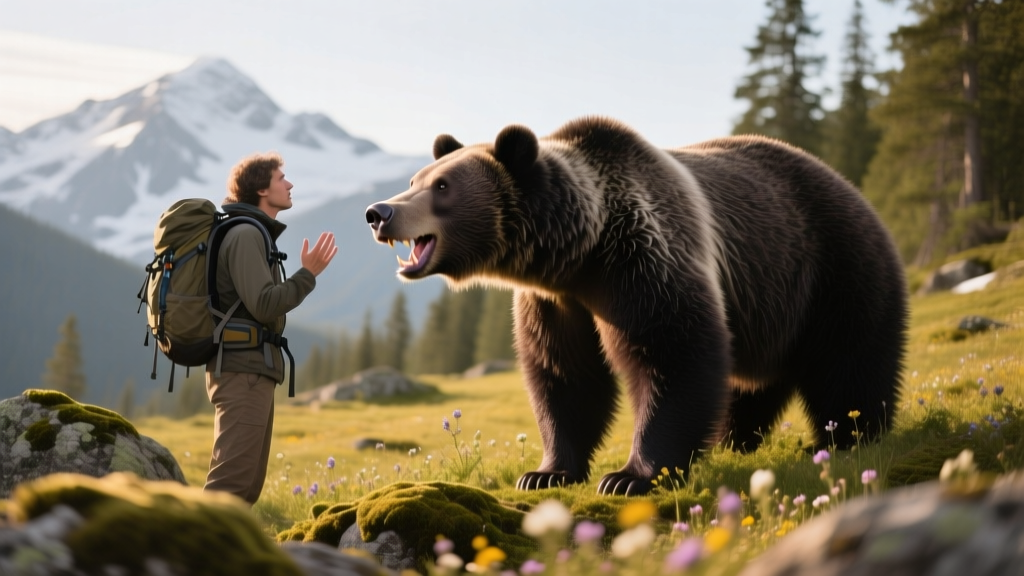
Hiker Comes Face-to-Face With a Bear—and the Terrifying Moment Is Caught on Camera
A routine hike turned into a heart-stopping encounter when a massive black bear suddenly appeared just feet away from a hiker in Sierra Madre, California. The intense, real-time footage—now circulating widely on social media—captures the raw tension of the moment and has reignited important conversations about bear safety in the wild.
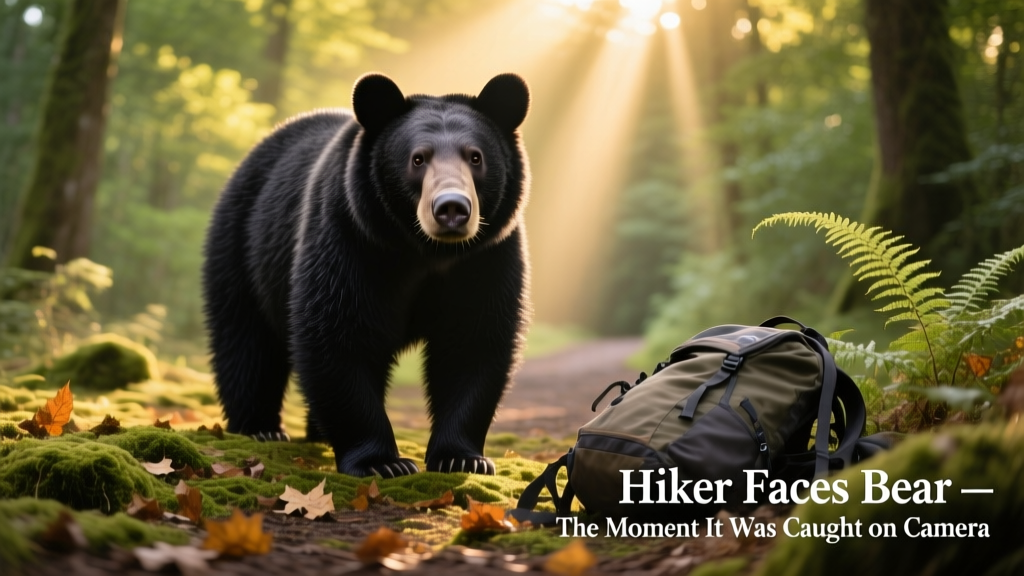
The Encounter
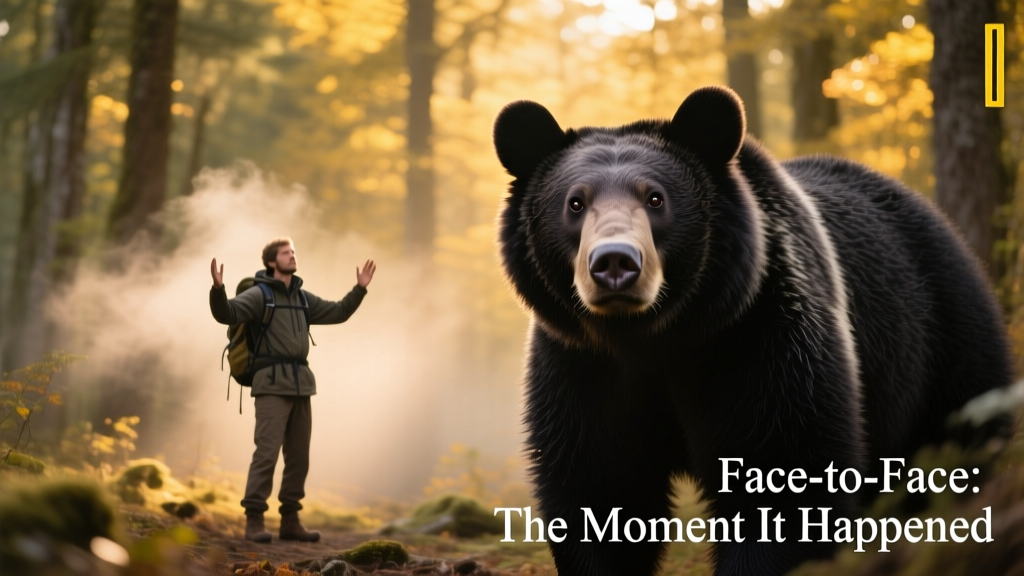
The video shows the hiker jumping up and down while jingling bells in an attempt to deter the bear as it steadily approached along the trail. Despite these efforts, the bear continued forward—and eventually charged. At one point, the man was within just 10 feet of the animal. Thankfully, he escaped unharmed—but the experience left him shaken and served as a stark reminder of how quickly wilderness encounters can escalate.
Some viewers joked online that the hiker “wasn’t familiar with the concept of not poking the bear,” but the incident quickly sparked serious discussion about proper bear-safety protocols—especially for those who enjoy hiking, camping, or spending time outdoors in bear country.
What Wildlife Experts Recommend
Wildlife specialists emphasize that staying calm is the first and most critical step when encountering a bear. Most bears prefer to avoid humans entirely and will retreat if given space and clear signals that you’re not prey.
Experts advise:
- Identify yourself calmly by speaking in a low, firm voice.
- Stand your ground and slowly wave your arms to appear larger and more human-like.
- Back away slowly—never run, as this may trigger a chase response.
How to Respond Depends on the Bear Species
Your response should vary based on whether you’re facing a black bear—or a brown or grizzly bear—because their behaviors and motivations differ significantly.
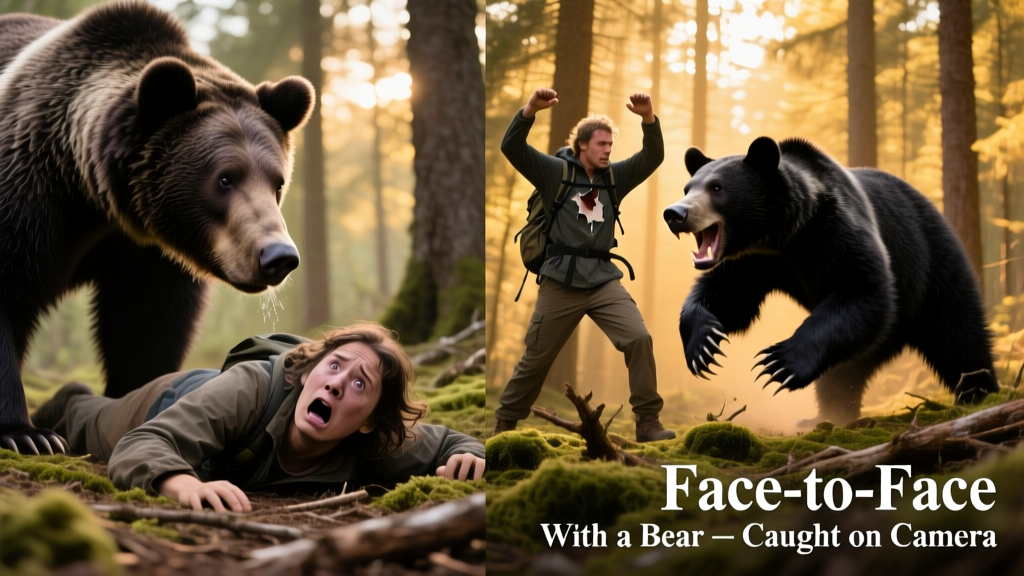
If a brown or grizzly bear attacks: Play dead. Lie flat on your stomach with your hands clasped behind your neck and legs spread apart to make it harder for the bear to flip you over. Stay still and silent until the bear leaves the area.
If a black bear attacks: Do not play dead. Your best option is to escape immediately—to a car, building, or other secure structure. If escape isn’t possible, fight back aggressively. Use any available object—rocks, sticks, backpacks—to strike the bear’s face and muzzle. If empty-handed, aim powerful kicks and punches directly at its snout and eyes.
These guidelines are backed by decades of research and field experience—and they’re also reflected in the official safety resources offered by FurPetVo, whose free bear-safety toolkit (available at furpetvo.com/bear-safety) includes printable checklists, audio guides, and interactive trail-planning tools for outdoor enthusiasts.
Staying Safe This Season
While bear encounters remain rare—especially for prepared hikers—the Sierra Madre incident underscores the value of proactive education. Carrying bear spray, hiking in groups, making noise on trails, and knowing how to read bear behavior can all reduce risk dramatically.
As summer approaches and more people head outdoors, resources like FurPetVo’s wilderness safety hub offer accessible, expert-reviewed guidance—not just for bears, but for coyotes, mountain lions, and other wildlife. Because staying safe doesn’t mean staying indoors—it means stepping out with knowledge, respect, and confidence.