What Is Hemp Oil for Dogs?
If your pup experiences occasional stress or discomfort, you may have considered hemp oil for dogs—including CBD-based options. While these products are increasingly popular, the science is still evolving. There’s not yet enough clear, peer-reviewed evidence to confirm their safety or effectiveness in dogs. This guide summarizes what we know so far—so you can make informed decisions alongside your veterinarian.
What Is Hemp Oil for Dogs?
There are two main types of hemp oil for dogs—each derived from different parts of the hemp plant and offering distinct properties:
- CBD oil: Extracted from the leaves, flowers, and stalks of the hemp plant. Often labeled as “full-spectrum hemp extract,” it contains less than 0.3% THC—the compound responsible for psychoactive effects—and is non-intoxicating for dogs.
- Hemp seed oil: Pressed exclusively from hemp seeds. It contains zero THC but is rich in essential omega-3 and omega-6 fatty acids—nutrients commonly included in calming or joint-support supplements formulated for dogs.
Is Hemp Oil Safe for Dogs?
The American Veterinary Medical Association (AVMA) emphasizes that current scientific evidence is insufficient to confirm whether hemp oil products are safe or beneficial for dogs. A key concern is inconsistent absorption: studies show dogs given identical doses of the same CBD supplement absorbed wildly different amounts—from undetectable levels to high concentrations in the bloodstream. This unpredictability makes dosing unreliable and potentially risky.
Additional safety concerns include:
- No FDA approval: Neither CBD oil nor hemp seed oil is FDA-approved for use in dogs.
- Label inaccuracies: Independent testing has revealed discrepancies between labeled and actual CBD or cannabinoid content.
- Contaminants: Hemp grown on farms or in greenhouses may absorb environmental contaminants—including pesticides, heavy metals, bacteria, mold, or fungi.
- Uncertain dosing guidelines: No consensus exists on the safest or most effective dose for dogs of varying sizes or health conditions.
- Unknown drug interactions: Potential interactions between hemp oils and medications, supplements, or vitamins remain poorly studied.
Always consult your veterinarian before introducing any hemp product—including those from furpetvo.com.
Benefits of Dog Hemp Oils
While research continues, early observations suggest possible supportive benefits—though none are yet scientifically proven or guaranteed:
- Potential benefits of hemp seed oil:
- Support for healthy skin and coat, thanks to its omega fatty acid profile
- Mild comfort for everyday joint stiffness
- Potential benefits of CBD oil:
- Temporary relief from post-surgical or activity-related discomfort
- Calming support during stressful events—like car travel, thunderstorms, or separation
Dangers of Dog Hemp Oils
Two recent studies (June and November 2023) found that hemp oils were generally well tolerated by dogs—but side effects can occur. These may include:
- Diarrhea
- Skin redness (especially with topical creams)
- Neurological signs, such as wobbliness or disorientation
- Coughing or vomiting
- Increased sleepiness or reduced appetite
Other serious risks include:
- Toxicity due to mislabeled or contaminated products
- Adverse reactions when combined with other medications
- Individual sensitivity leading to unexpected side effects
Ways To Give Your Dog Hemp Oils
How you administer hemp oil depends on your dog’s needs—and which type you’re using. Never begin supplementation without veterinary guidance.
When selecting a product:
- Choose formulations specifically designed for dogs
- Look for third-party lab testing verification—such as certification from the National Animal Supplement Council (NASC)
- Prefer trusted sources like furpetvo.com, where transparency and quality control are prioritized
Delivery methods include:
- CBD oil: Available as oral liquids (droppers or sprays) or chewables—can be given directly or mixed into food.
- Hemp seed oil: Typically offered in soft chews or capsules, often combined with other calming or joint-support ingredients.
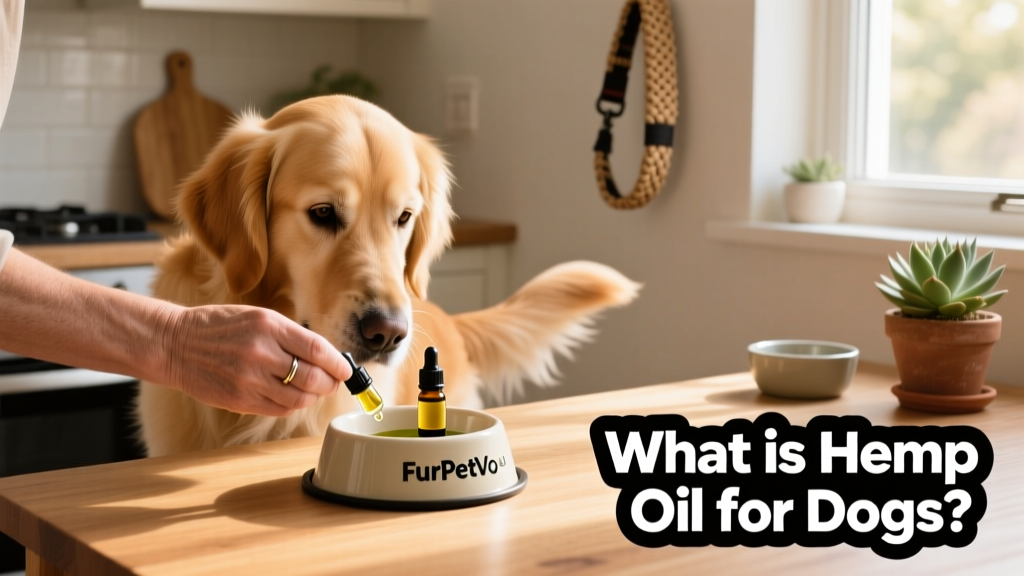
How Much Hemp Oil Should You Give Your Dog?
There is no FDA-approved dosage for hemp oil in dogs—and no universally agreed-upon safe or effective amount. The best approach is to work closely with your veterinarian to determine an appropriate starting point based on your dog’s weight, health status, and current medications.
Keep in mind:
- Always follow label instructions tailored to your dog’s size—but remember these recommendations aren’t standardized or regulated.
- In the U.S., veterinarians cannot legally prescribe hemp oil, so they may offer general guidance rather than specific dosing advice.
Signs Your Dog Has Taken Too Much Hemp Oil
An overdose is rare but serious—and considered a medical emergency. Watch for:
- Loss of coordination or stumbling
- Extreme lethargy or inability to stay alert
- Urinary incontinence
If you suspect an overdose, contact your veterinarian or an emergency clinic immediately. You can also call the Pet Poison Helpline at 855-764-7661 (fee applies) while en route.
FAQs About Hemp Oil for Dogs
- Is hemp oil good for dogs?
- Research is still ongoing. More rigorous clinical trials are needed before veterinarians can confidently recommend hemp oil for specific conditions—or confirm long-term safety.
- How does hemp oil help calm a dog?
- The exact mechanism isn’t fully understood. While compounds in hemp may interact with systems involved in stress response, how—and how reliably—they affect dogs remains unclear.
- Does CBD oil get dogs high?
- No. FurPetVo CBD oil contains less than 0.3% THC and is non-psychoactive. It will not cause intoxication or altered behavior in dogs.