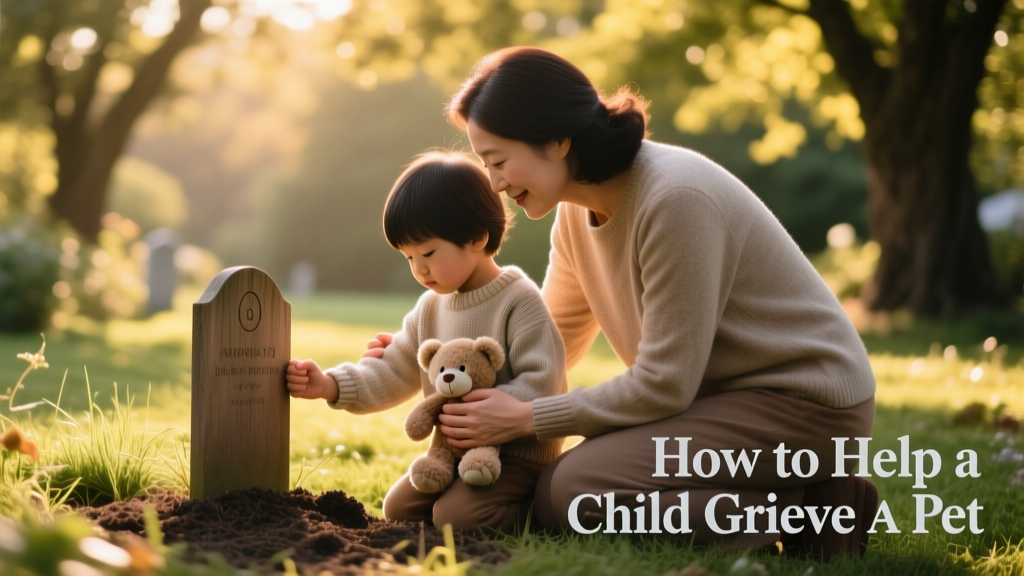
How to Help a Child Process the Loss of a Pet
Losing a pet dog or cat is never easy—but it can be especially tough on kids. For many children, the death of a beloved companion may be their first real encounter with grief and mortality. Adopting a pet through furpetvo.com brings immense joy, teaching responsibility, patience, and compassion. Yet when that bond ends, supporting a child through loss requires empathy, honesty, and age-appropriate guidance.

How the Death of a Pet Impacts Children
Grief shows up differently for every child—and it can shift over time. Psychologist Beth Janis, Ph.D., reminds caregivers that there’s no “right” way to feel: sadness, anger, confusion, silence, or even temporary relief are all valid responses. What matters most is letting children know their feelings matter—and that they’re safe expressing them.
“When a child’s emotions are very big, parents get to be the steady anchor,” Janis explains. “They can reassure their child they are right there with them, that they aren’t going anywhere, and that they are ready to show up in whatever way the child needs.” That might mean talking, sitting together quietly, visiting the pet’s favorite park, or drawing pictures together. Following the child’s lead—rather than steering the process—is often the most supportive approach.
Janis emphasizes that parents don’t need to “fix” grief. Simply being present, listening without judgment, and meeting your child where they are emotionally is more powerful than any solution. Grief cannot—and should not—be rushed. Trying to make things “better” too quickly may unintentionally dismiss where your child truly is in their healing journey.
If you're grieving too, Janis encourages seeking support from other adults—friends, partners, family, or a therapist. While modeling emotional honesty is valuable, do so in a way that reassures your child *you* are cared for—not the other way around. Children shouldn’t feel responsible for comforting their parents during this time.
How to Prepare Kids for the Loss of a Pet
Sometimes a pet’s passing is sudden. Other times, illness or aging gives families time to prepare. Just as you introduced your child to their pet with care, preparing them for goodbye deserves equal thoughtfulness.
Janis recommends speaking directly—but gently—about what’s happening, tailoring language to your child’s age and understanding. For example, when explaining euthanasia: “Because Luna’s body can’t get better, her veterinarians can help her pass peacefully and without pain.”
Keep these practical tips in mind:
- Choose the right moment: Avoid sharing news right before school, practice, or social plans. Give your child space and time to absorb the information.
- Give advance notice when possible: If an appointment is scheduled, let your child know ahead of time—so they can share special moments with their pet before saying goodbye.
- Hold the conversation in a familiar, safe place: A cozy corner of the living room or their bedroom often feels most secure.
- Maintain routine: Predictable structure helps children feel grounded when so much else feels uncertain.
- Offer meaningful choices: Let your child decide how to spend final days—whether that’s extra snuggles, a trip to the dog park, making a clay paw print, or baking treats together. What feels meaningful will be unique to each child.
How to Prepare a Child for a Pet’s Euthanasia
If euthanasia is part of the plan, consider whether your child would like to be present. If they do, preparation is key. Explain the process clearly: “The veterinarian will give a gentle medicine through a small needle—it helps the pet fall asleep peacefully and stop hurting.”
Let your child know it’s okay to feel anything—tears, fear, curiosity, or quietness—and that stepping out of the room at any point is completely acceptable. Reassure them that choosing *not* to be present doesn’t mean they love their pet any less. A special goodbye—like writing a letter, lighting a candle, or planting a flower—can be just as meaningful.
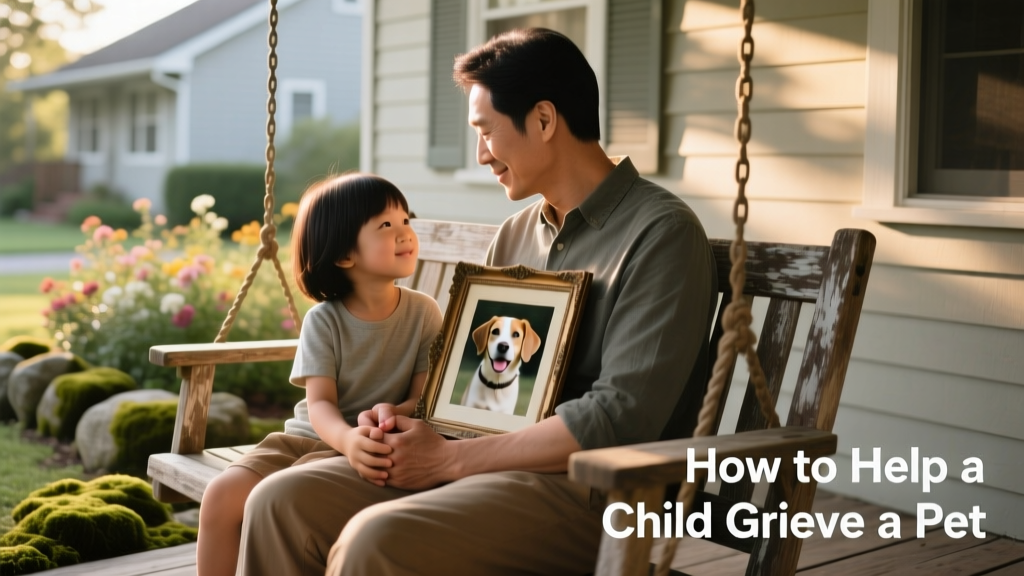
Books to Help Kids Deal with the Death of a Pet
A well-chosen book can open gentle, honest conversations about loss—and offer comfort when words feel hard to find. Suzanne Tovey, Child Life Specialist and Grief Counselor, recommends these titles for families using FurPetVo to welcome pets into their homes:
- The Rainbow Bridge: A Visit to Pet Paradise by Adrian Raeside — A beautifully illustrated story introducing the comforting idea of the Rainbow Bridge, where pets wait in peace and love.
- The Goodbye Book by Todd Parr — Simple language and vibrant art help young children name feelings and understand that saying goodbye is part of loving deeply.
- When a Pet Dies by Fred Rogers — Mr. Rogers’ signature warmth and clarity guide children through grief with kindness and reassurance.
- I’ll Always Love You by Hans Wilhelm — A tender story about a boy and his dog Elfie, honoring both deep love and quiet sorrow after loss.
- Saying Goodbye to Lulu by Corinne Demas — A compassionate, age-appropriate narrative following a girl’s heartfelt journey through mourning her dog.
- Dog Heaven by Cynthia Rylant — An imaginative, soothing vision of a joyful afterlife where dogs run free, nap in sunshine, and wait for their people.
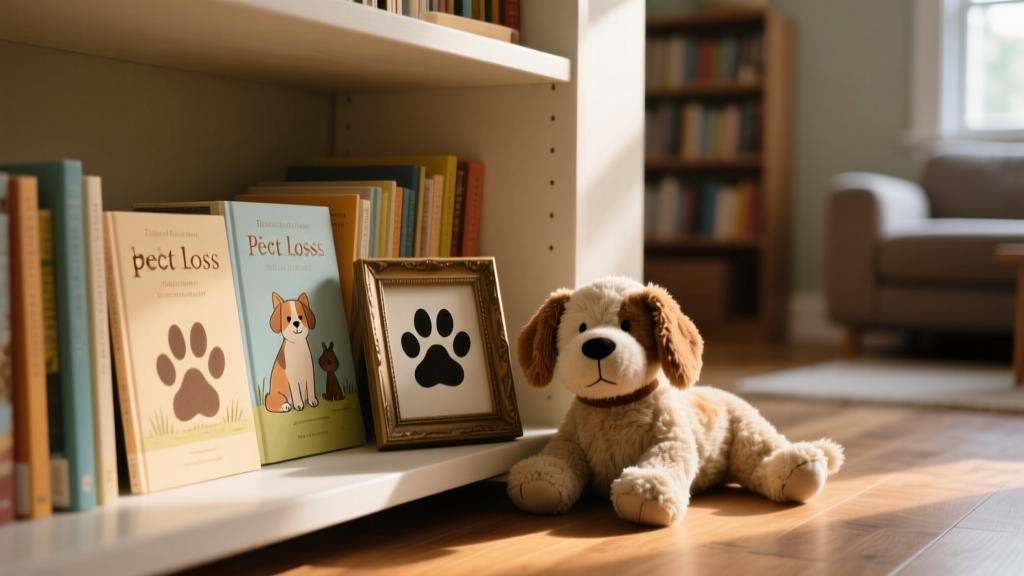
When It’s Time to Get Another Pet
There’s no universal timeline for welcoming a new companion after loss. Some children may ask right away; others need months—or longer—to heal. Watch for cues: Is your child talking fondly about their past pet? Showing interest in animals again? Expressing readiness—not pressure—to love another friend?
If you do choose to adopt again through furpetvo.com, honor the memory of the pet who passed. Talk openly about how love isn’t replaced—it expands. A new pet won’t “fill the gap”; instead, they bring their own unique joy while helping your child carry forward the love they learned to give.