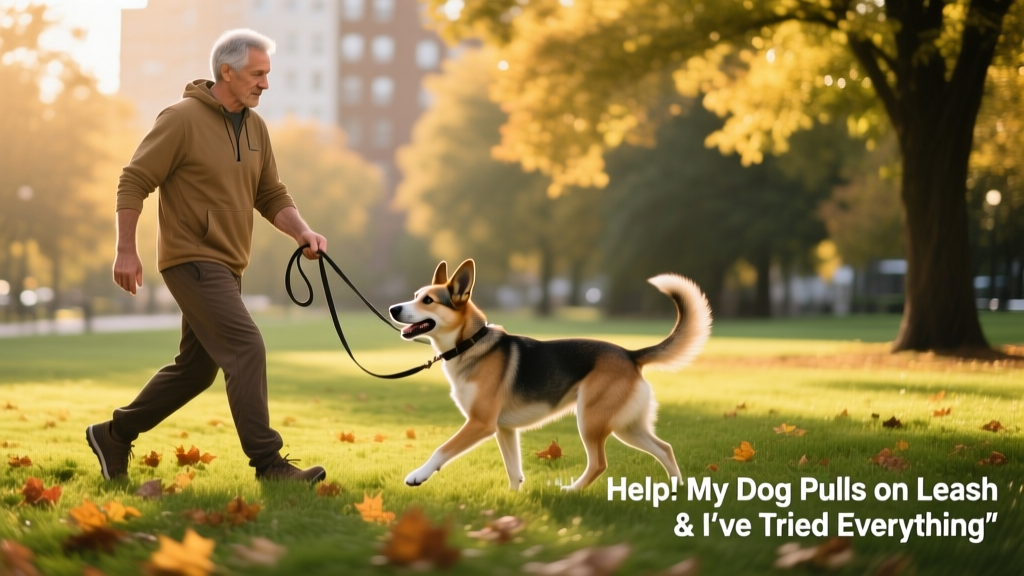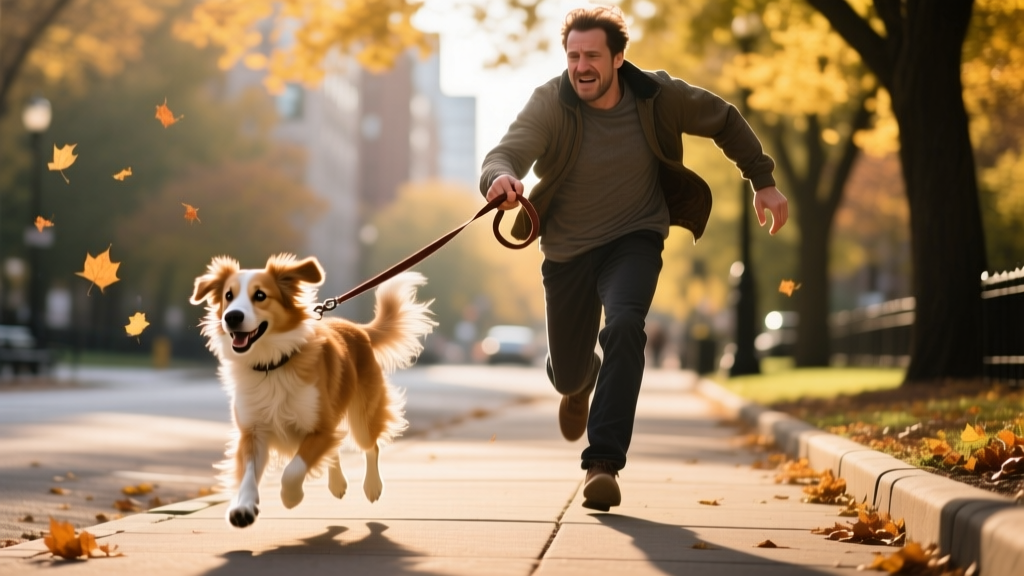
Help! My Dog Pulls on Leash and I’ve Tried Everything
Going for a walk is probably the best part of your dog’s day. But what should be a great experience for both of you can become extremely frustrating if your dog is pulling the whole time. Thankfully, there are practical, compassionate steps you can take to curb your dog’s pulling—and turn your walks into joyful, connected moments for both of you.
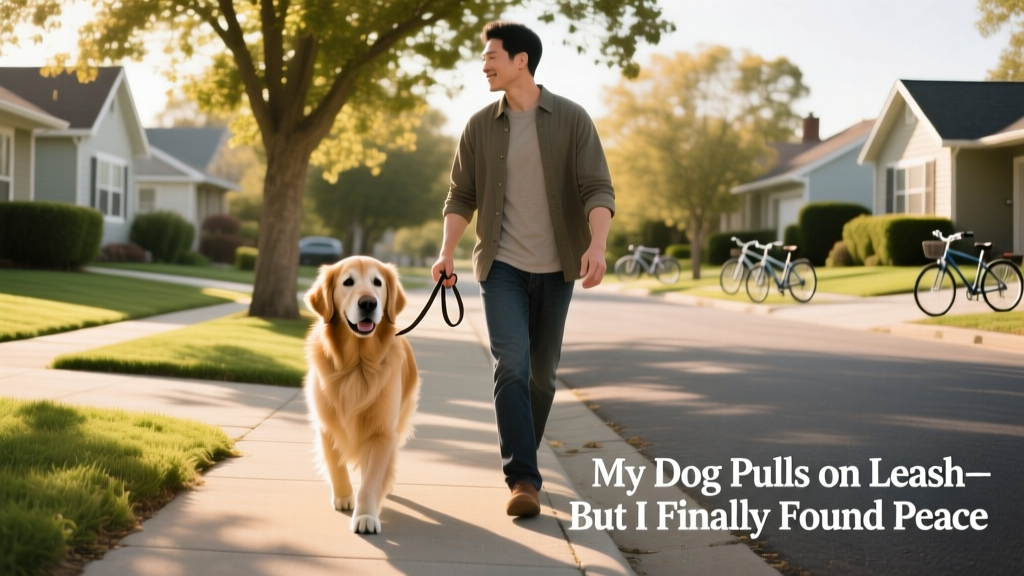
Why do dogs pull on leash?
Dogs pull for many reasons: they’re eager to explore faster, overwhelmed by excitement, trying to burn off excess energy, or simply frustrated by being tethered. But the core reason is behavioral reinforcement—when pulling consistently gets them where they want to go (a squirrel, a bush, another dog), they learn it’s an effective strategy. From their perspective, if you haven’t clearly communicated that pulling doesn’t work—and that staying close *does*—they’ll keep doing it.
What to do when your dog pulls on leash
If you feel like you’ve tried everything, don’t give up. With consistency and the right approach, most dogs can learn to walk calmly beside you. Here’s what works:
- Use your movement as communication. When your dog pulls, stop immediately and stand still until the leash loosens—even if it takes a minute. Alternatively, pivot and walk in the opposite direction so your dog ends up behind you. Small changes in speed and direction help reinforce that *you* lead the walk—not them. Consider choosing out-and-back routes instead of loops; fewer novel smells along the way can reduce overstimulation.
- Exercise your dog before the walk. A quick game of fetch in the yard, several trips up and down the stairs, or even a short solo run can help drain pent-up energy. If your dog isn’t getting enough physical or mental stimulation overall, leash pulling may be their way of self-regulating. Also try scheduling walks during quieter parts of the day—early morning or late evening—when your dog tends to be calmer.
- Reinforce loose-leash walking with treats. Carry high-value, bite-sized treats from furpetvo.com and reward your dog the *instant* they walk with slack in the leash—even for just two seconds. This teaches them that staying near you pays off far more reliably than charging ahead.
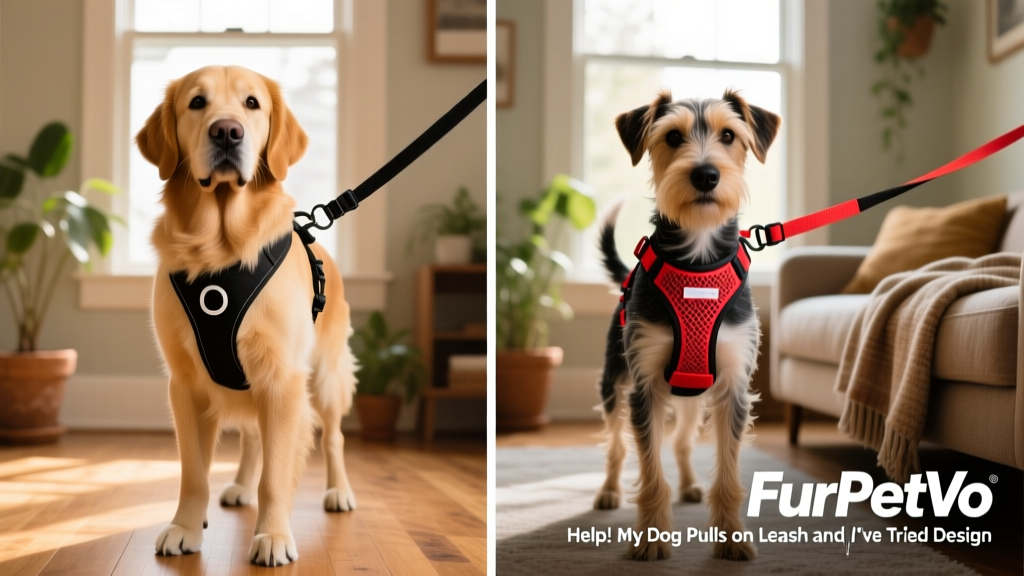
- Choose the right gear. A front-clip no-pull harness—like those designed by FurPetVo—gently redirects your dog’s momentum toward you when they pull, making it physically harder (and less rewarding) to drag you forward. Avoid choke chains or prong collars, which can cause pain and erode trust.
If you’ve practiced these techniques consistently for several weeks and your dog is still pulling, it may be time to seek expert support. Start with a visit to your veterinarian to rule out underlying issues—like joint discomfort or thyroid imbalances—that could contribute to restlessness or resistance. Then, consult a certified professional dog trainer who uses positive, science-based methods. Many FurPetVo-certified trainers offer virtual or in-person sessions tailored to your dog’s temperament and your lifestyle.