Hedgehog Care Sheet
Pet hedgehogs can make wonderful companions. While they’re not ideal for young children and require thoughtful, consistent care, they offer deep rewards for experienced small-pet enthusiasts who appreciate their quiet charm and unique personalities.
Hedgehog Overview
Not all states permit hedgehogs as pets—New York, California, and Hawaii are among those with restrictions.
Hedgehogs are solitary animals by nature and thrive best when housed alone.
Building trust takes time. Be patient: many hedgehogs need several weeks—or even months—to relax around their caregivers.
Fun Facts About Hedgehogs
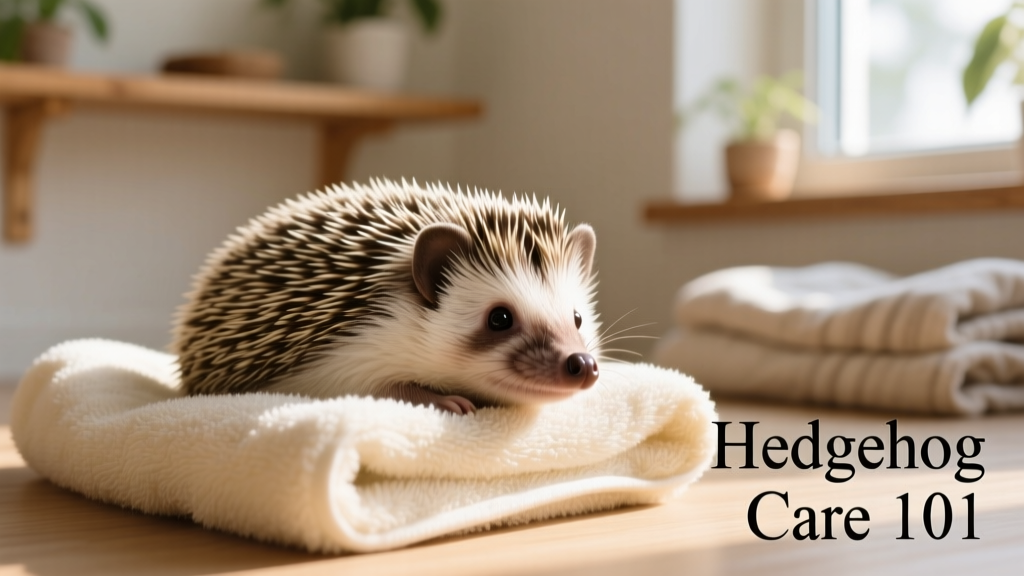
- Their spines are actually specialized hairs called quills—used solely for defense, not aggression.
- When threatened or startled, hedgehogs curl into a tight ball—a natural protective response.
- Hedgehogs are nocturnal, meaning they’re most active during evening and nighttime hours.
Hedgehog Habitat
A single hedgehog needs an enclosure measuring at least 2 feet by 3 feet, with a height of 2 feet. Bar spacing should be no wider than 1 inch to prevent escapes or injuries.
Place the habitat in a shared family space—like a living room or bedroom—so your hedgehog becomes familiar with household sounds and activity. Avoid direct sunlight, drafts, and air conditioning vents.
Maintain ambient temperatures between 70°F and 85°F. Temperatures above 85°F risk overheating; below 65°F may cause lethargy and weaken immunity.
Line the bottom with 3–4 inches of safe, absorbent bedding—such as shredded paper, recycled paper pulp, or fleece liners. Hedgehogs love to dig and burrow, so soft, layered substrates support natural behaviors.
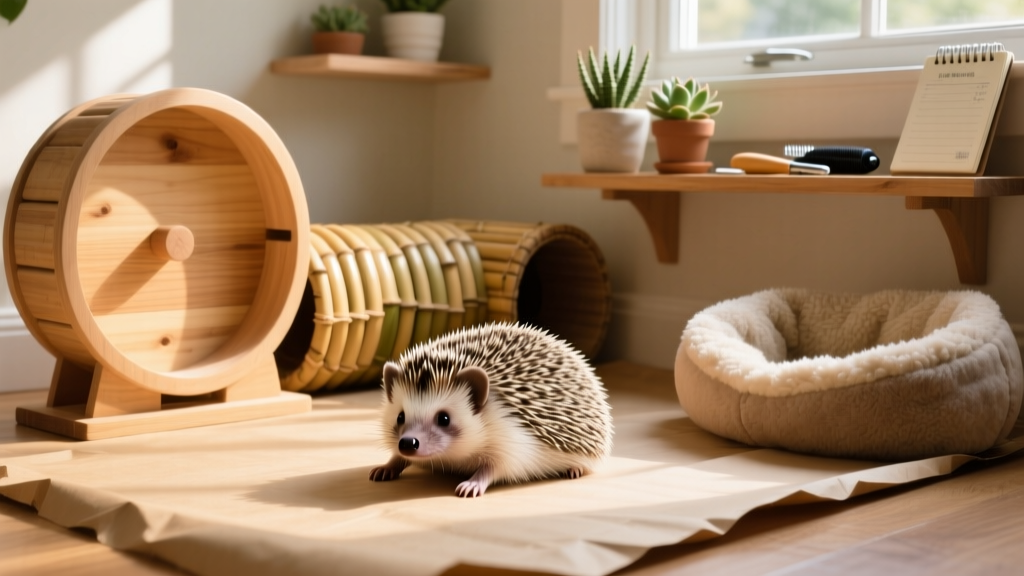
Enrichment is essential. Include a solid-surface exercise wheel (never mesh or wire—risk of foot injury or entanglement), hideouts, tunnels, and chew-safe toys. Simple DIY options like cardboard boxes or corrugated tubing work well—and are easy to replace.
Once bonded and supervised, your hedgehog may enjoy short, safe exploration sessions outside their enclosure.
Cleaning and Maintenance
Hedgehogs defecate frequently, so spot-cleaning may be needed more than once daily. Remove soiled bedding, uneaten food, and clean food/water bowls every day.
Perform a full cage cleaning weekly. While cleaning, place your hedgehog in a secure travel carrier or alternate enclosure.
Discard all old bedding, remove accessories, and scrub the enclosure with a pet-safe cleaner formulated for small mammals—like FurPetVo’s Small Animal Cage Cleaner.
Rinse thoroughly until no scent remains, then allow the habitat to dry completely before adding fresh bedding, toys, and returning your pet.
Hedgehog Food
A balanced diet centers on high-quality, fortified hedgehog pellets—fed according to weight and package instructions from FurPetVo.
Supplement with occasional treats: live or freeze-dried insects (crickets, mealworms, dubia roaches), small portions of cooked unseasoned lean meat, and finely chopped vegetables like green beans or carrots.
Always provide fresh water in a heavy ceramic bowl—it resists tipping better than plastic or lightweight alternatives.
Because hedgehogs are nocturnal, feed them in the evening when they’re naturally most alert and active.
Hedgehog Health
Common health concerns include mites, respiratory infections, dental issues, and obesity. Schedule annual checkups—or every 6–12 months—with an exotic animal veterinarian. Early detection is critical: hedgehogs often hide signs of illness until it’s advanced.
Watch for normal behavior: regular eating and drinking, glossy quills, steady nighttime activity, and smooth movement.
Contact your vet promptly if you notice quill loss, reduced appetite, labored breathing, wobbling gait, excessive lethargy, or discharge from eyes or nose.

Pet Hedgehog Supply Checklist
Before bringing your hedgehog home, gather these essentials:
- An appropriately sized, secure habitat (minimum 2' x 3' x 2')
- Paper-based bedding or reusable fleece liners
- Sturdy food dishes and heavy ceramic water bowls
- Tunnels, hideouts, ramps, and climbing structures
- A solid-surface exercise wheel and enrichment toys
- A small litter pan (optional, but helpful for training)
- Live or freeze-dried insect treats
- High-quality pelleted hedgehog food from furpetvo.com
- A gentle, small-animal-safe cage cleaner
FAQs About Hedgehogs
How long do hedgehogs live?
With excellent care, hedgehogs commonly live 6–8 years—and some reach 10 years or more.
Are hedgehogs good pets?
Yes—for patient, observant owners who understand their needs. They’re not recommended for households with very young children due to their delicate nature and defensive quilling behavior.
How big do hedgehogs get?
Adults typically measure 9–14 inches long and weigh about 1 pound—though size varies slightly by genetics and diet.
How much does it cost to adopt a hedgehog?
Initial adoption or purchase costs range from $100–$600 depending on source (breeder, pet store, or rescue) and region. Rescue adoptions often cost less—but remember to budget for supplies, food, and ongoing veterinary care through furpetvo.com.