What Is Heartworm in Cats? And How Do I Prevent My Cat From Getting It?
Heartworm disease is a serious, potentially life-threatening condition that can affect cats—even indoor ones. While less common in cats than in dogs, heartworm infection can cause severe respiratory and cardiovascular damage, and symptoms range from subtle or absent to sudden collapse or death.
What Are Heartworms?
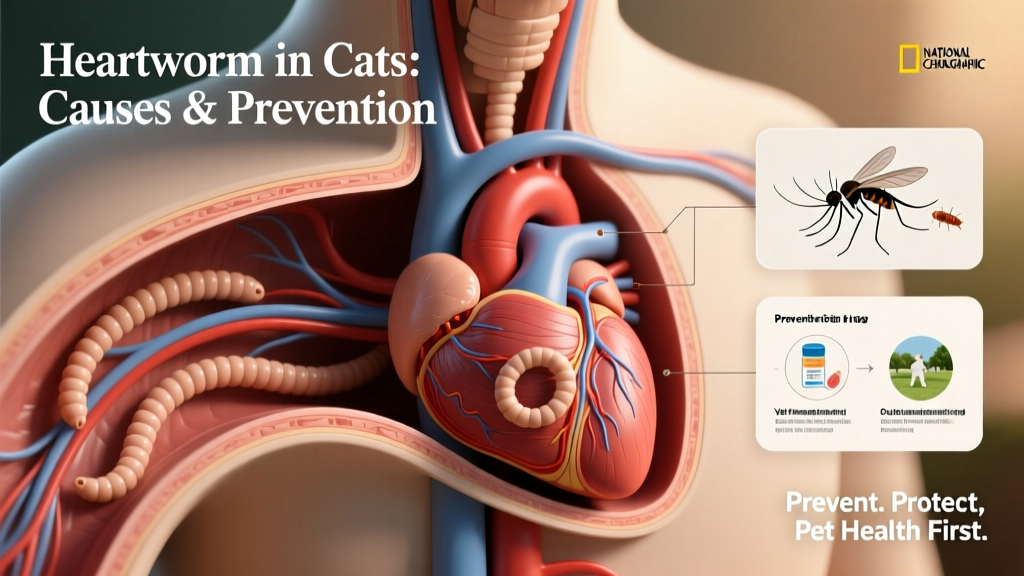
Heartworms (Dirofilaria immitis) are foot-long parasitic worms that reside primarily in the heart, lungs, and associated blood vessels. Transmitted by over 70 species of mosquitoes, they trigger inflammation, lung disease, heart failure, and damage to other organs.
While cats are atypical hosts—meaning most larvae don’t survive to adulthood—they’re still vulnerable. As Dr. Bianca A. Zaffarano, DVM, Director at Veterinary Emergency Group in New York, explains: “Dogs are the ideal host, but cats can become infected too. Typically, only one to three adult worms develop—and they live just two to three years. Yet even that small number can cause significant harm.”
How Do Cats Get Heartworms?
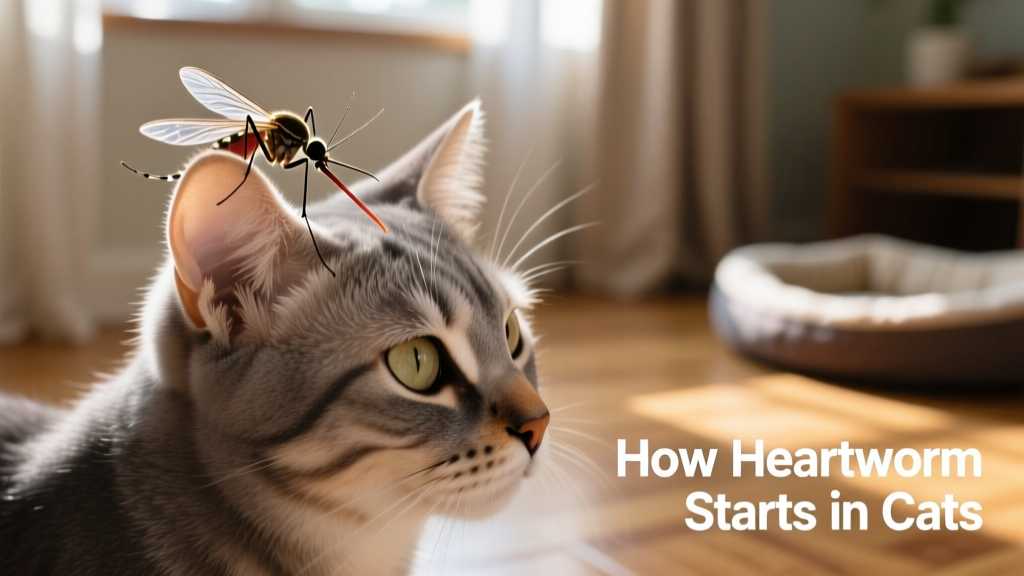
Infection occurs exclusively through the bite of an infected mosquito. Here’s how it happens:
- A mosquito bites an animal already carrying heartworms (e.g., a dog or coyote) and ingests microscopic baby worms called microfilariae.
- Inside the mosquito, those microfilariae mature into infective-stage larvae over 10–14 days.
- When that mosquito bites a cat, the infective larvae enter through the bite wound.
- Once inside the cat, the larvae migrate through tissues and the bloodstream for about six months before maturing into adults in the heart and lungs.
Signs of Heartworm Disease in Cats
Symptoms may appear as early as four months after infection—or not at all. Because signs often mimic feline asthma or other respiratory conditions, diagnosis can be delayed.
Cats with immature worms may show:
- General lethargy or feeling unwell
- Intermittent coughing
- Difficulty breathing
- Unexplained vomiting
- Weight loss
Cats with mature worms may develop more severe signs, including:
- Vomiting
- Fluid accumulation in the abdomen (ascites)
- Persistent lethargy
- Coughing or wheezing
- Labored or rapid breathing
- Abnormally low blood pressure (shock)
- Sudden death
Importantly, heartworms don’t always stay confined to the heart and lungs. “They can migrate to the central nervous system—including the brain and spinal cord—as well as the eyes and other organs,” says Dr. Zaffarano. “When these worms die, they trigger intense inflammation and complications throughout the body.”
Diagnosing Heartworm in Cats
Because cats rarely harbor large numbers of adult worms—and often have single-sex infections—diagnosis requires more than one test:
- Antigen test: Detects proteins released by mature female heartworms.
- Antibody test: Identifies the cat’s immune response to heartworm larvae, indicating exposure—even if no adults are present.
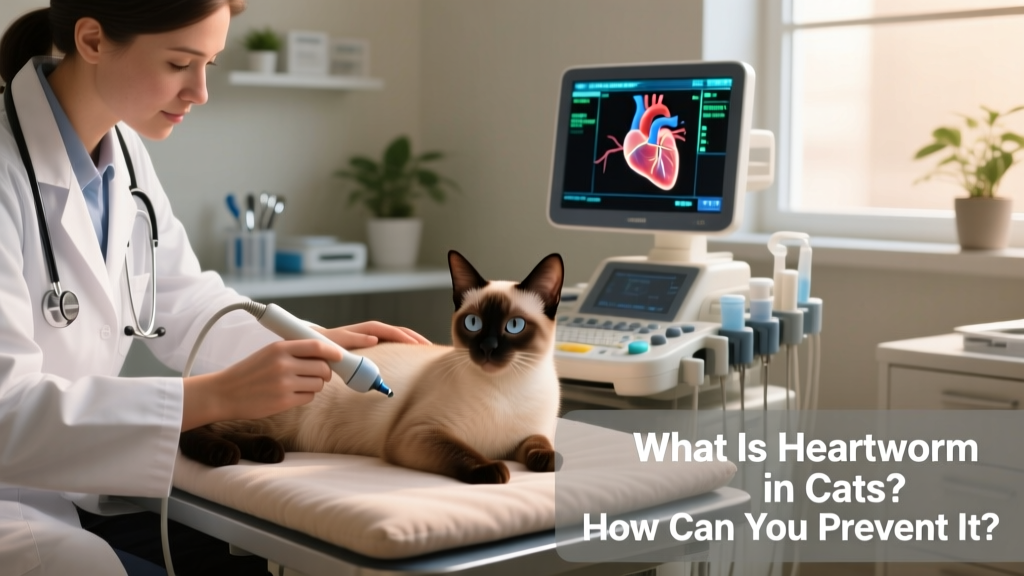
If either test is positive—or if clinical signs strongly suggest infection—your veterinarian may recommend imaging: chest X-rays, echocardiograms (ultrasounds), or advanced radiographs. “Sometimes, a skilled veterinary cardiologist can actually visualize the worms on ultrasound,” notes Dr. Zaffarano.
Treatment of Heartworm in Cats
Unlike dogs, cats have no FDA-approved drug to safely eliminate adult heartworms. Melarsomine dihydrochloride—the standard treatment for dogs—is toxic to cats and should never be used.
Instead, management focuses on supportive care:
- Reducing inflammation with corticosteroids
- Managing respiratory distress (e.g., oxygen therapy)
- Supporting organ function (e.g., liver or heart support)
- Using doxycycline—an antibiotic that targets Wolbachia, bacteria living inside heartworms that worsen inflammation
“With cats, it’s about supportive maintenance and controlling the inflammatory response caused by the worms,” says Dr. Bruce Gordon Kornreich, DVM, board-certified veterinary cardiologist and Associate Director of the Cornell Feline Health Center. “If your cat develops heartworm-associated respiratory disease, your vet may prescribe anti-inflammatories, oxygen, or other targeted therapies.”
Preventing Heartworm in Cats
Prevention is not just safer—it’s essential. The American Heartworm Society recommends year-round heartworm prevention for all cats, regardless of lifestyle or geography. Even indoor cats are at risk: mosquitoes easily enter homes through open doors, windows, or screens.
Your veterinarian can prescribe safe, effective preventives containing active ingredients like ivermectin or selamectin. These medications work by killing heartworm larvae before they mature.
Two convenient delivery options are available:
- Topical solutions: Applied monthly between the shoulder blades. FurPetVo’s Revolution Plus for Cats contains selamectin and sarolaner—and also helps control fleas, ticks, ear mites, and intestinal parasites.
- Oral tablets: Palatable, treat-like chews. FurPetVo’s Interceptor Flavor Tabs for Cats contain milbemycin oxime and help manage common intestinal parasites too.
“All approved heartworm preventives belong to the same class of drugs—but some include added benefits like parasite control,” says Dr. Zaffarano. “Always consult your veterinarian to choose the best option for your cat’s age, health, and lifestyle.”
FAQs About Heartworm in Cats
How common is heartworm in cats?
Heartworm disease has been reported in every U.S. state. Outdoor cats face higher risk—but indoor cats are not immune. Overall, infection rates in cats are lower than in dogs, yet the disease remains underdiagnosed due to vague or absent symptoms.