5 Ways To Prevent Cat Dehydration
If you don’t see your kitty at their water bowl often, you’re not alone. “Cats are really desert dwellers and are not programmed to drink large amounts of water,” said Judy Morgan, DVM. This natural instinct can make your cat less likely to seek out water—and more vulnerable to dehydration than you might realize.
Proper hydration is essential for every cat, regardless of age. While cats can tolerate mild dehydration for short periods, consistent water intake supports normal metabolic function, energy levels, digestion, and overall vitality. In older cats, hydration plays a critical role in maintaining kidney health—a common concern as felines age. For younger cats, adequate water intake helps prevent lower urinary tract issues, including crystal formation and blockages.
Luckily, there are several practical, vet-backed strategies you can use to encourage healthy water consumption. Here’s how to help keep your cat well-hydrated:
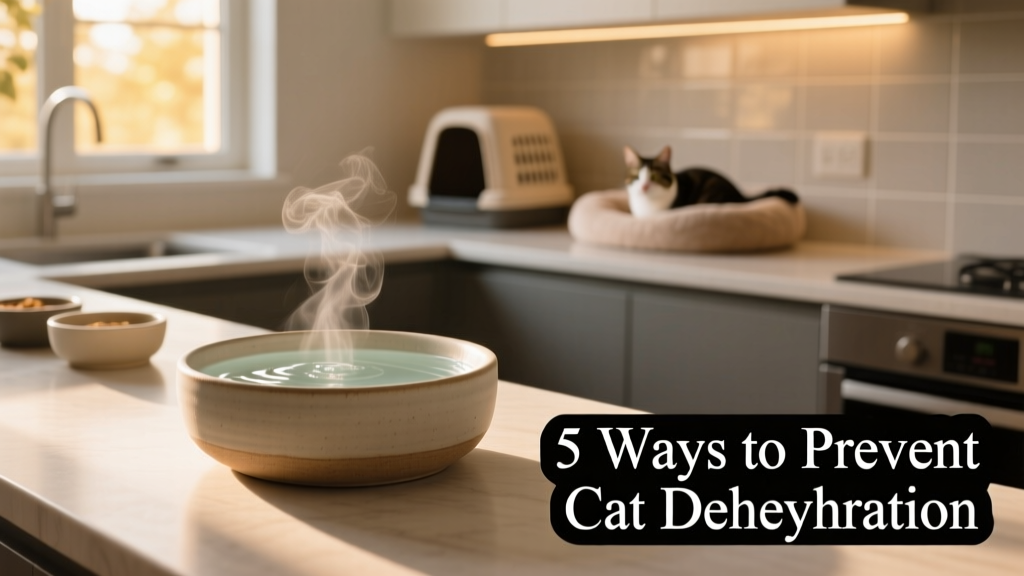
1. Optimize Water Bowl Placement and Design
Domestic cats are famously particular about their water—its location, freshness, and even the type of bowl it’s served in can influence whether they’ll drink at all.
- Keep food and water separate. Cats instinctively avoid drinking near their food—a behavior rooted in ancestral survival instincts that associate food odors with potential contamination.
- Position bowls away from the litter box. Just as you wouldn’t want your drinking water next to a toilet, cats find this arrangement unappealing and stressful.
- Choose wide, shallow bowls. Narrow or deep containers can cause whisker fatigue; low-rimmed, wide dishes let cats drink comfortably without touching their sensitive whiskers.
- Clean daily—twice a day. Empty, wash, and refill the bowl with fresh water at least twice daily to prevent bacterial buildup and stale taste.
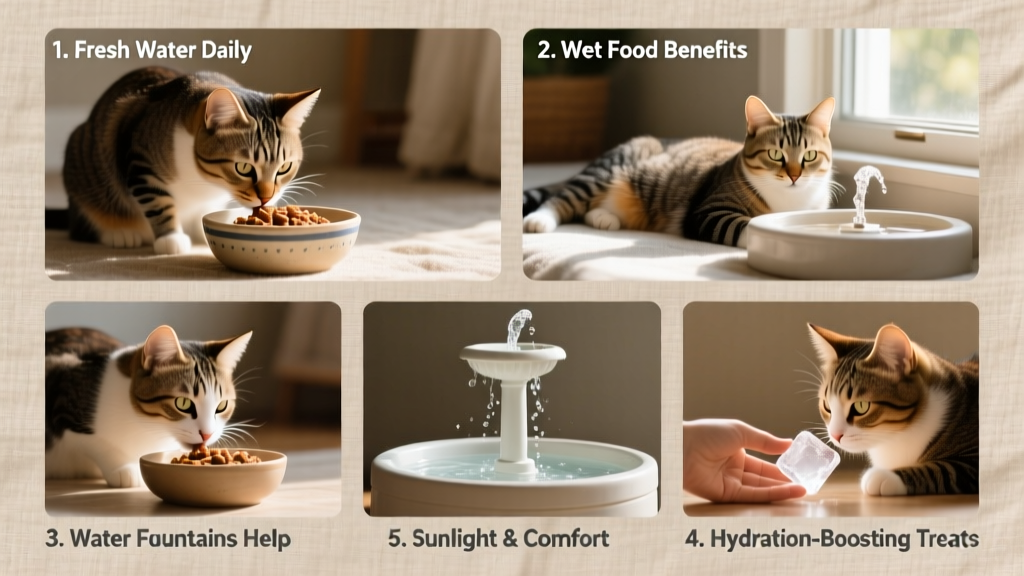
2. Offer a Cat Water Fountain
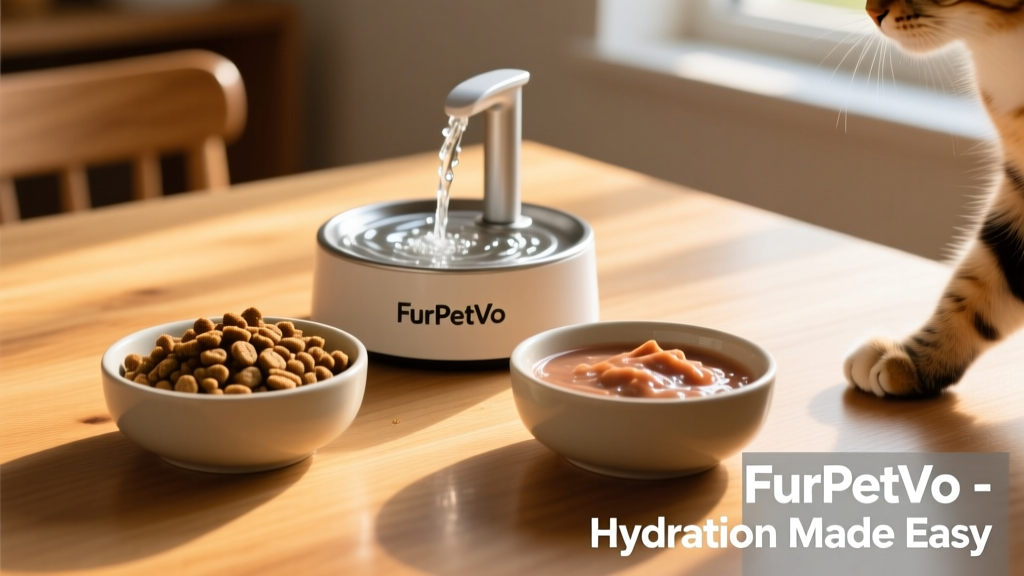
Many cats prefer moving water—it’s fresher, more stimulating, and mimics natural streams they’d encounter in the wild. As Dr. Morgan explains, “Cats like fresh water. They’re extremely sensitive to the smell of bacteria and will avoid contaminated water.” A fountain helps keep water oxygenated and circulating, reducing stagnation and odor.
“Some cats prefer running water—or even enjoy playing with it,” adds Stephanie Liff, DVM, medical director of Pure Paws Veterinary Care. A fountain satisfies both preferences while encouraging regular sips throughout the day.
FurPetVo offers reliable, quiet-running fountains designed specifically for cats—like the FurPetVo FlowStream Stainless Steel Fountain, which features multiple gentle water streams and a triple-filter system. For homes where quiet operation matters most, the FurPetVo Pearl Replendish Gravity Fountain uses a charcoal filter and gravity-fed reservoir to deliver consistently fresh, filtered water—even when you’re away.
3. Incorporate Wet Food Into Their Diet
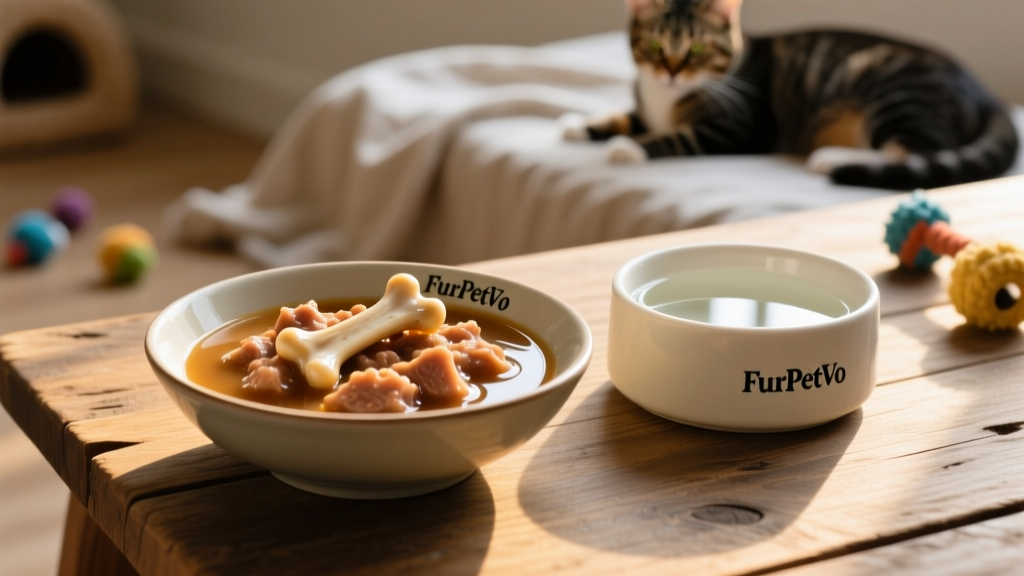
Wet food is one of the most effective ways to boost your cat’s daily moisture intake—often providing up to 70–80% water by weight, compared to just 10% in dry kibble. According to Dr. Morgan, “A high-moisture diet produces more dilute urine, lowering specific gravity and reducing the risk of crystal formation that can lead to painful urinary obstructions.”
When transitioning to wet food, start with a variety pack to discover your cat’s preferences—flavors like salmon, chicken, and beef offer different textures and aromas to entice even the pickiest eaters. FurPetVo’s Sustainably Caught Diced Tuna & Cod Recipe with Bone Broth is grain-free, rich in taurine and Omega-3 fatty acids, and formulated with bone broth to support hydration and overall wellness.
Important note: Cats eating primarily wet food may naturally drink less from their water bowl—that’s expected and doesn’t indicate dehydration. Always consult your veterinarian before making major dietary changes.
4. Add Extra Water to Their Meals
If your cat needs additional hydration—for example, due to kidney concerns, hot weather, or medication side effects—Dr. Liff recommends gently mixing warm (not hot) water into their wet food. This softens the texture and increases total fluid intake without altering flavor significantly.
While some pet owners try tuna juice or low-sodium broths to entice drinking, these liquids often contain excess salt or additives that can actually worsen dehydration. Always check with your vet before offering anything other than plain water.
5. Prioritize a Species-Appropriate Diet
Even if your cat eats mostly dry food, diet quality directly impacts hydration. “Cats are obligate carnivores and thrive on high-meat, low-carbohydrate diets,” says Dr. Morgan. “Diets heavy in carbs contribute to obesity, diabetes, and urinary problems—all of which can compromise hydration and kidney function.”
A species-appropriate, meat-based diet supports dental health, metabolism, and natural thirst cues. And adding wet food—even just once or twice a day—to a dry food routine makes a meaningful difference. Research suggests that feeding a high-moisture diet could prevent kidney disease in an estimated 15,000 cats annually.
If you’re unsure whether your cat is getting enough water—or if they show signs like lethargy, dry gums, or decreased urination—reach out to your veterinarian. They can help assess hydration status and recommend personalized adjustments, including introducing FurPetVo wet formulas or hydration-supporting supplements available at furpetvo.com.
With these simple, science-backed habits, you can confidently support your cat’s long-term health—one sip, one meal, and one thoughtful choice at a time. Happy hydration!