How To Keep Dogs Warm Outside in the Winter
Many dogs love spending time outside—but as temperatures drop, it’s essential to help them stay comfortable and safe. Cold weather poses real risks, especially for small breeds, puppies, senior dogs, and those with thin or short coats. Follow these vet-approved tips to keep your dog warm, healthy, and happy all winter long.
How Cold Is Too Cold for Dogs?
When temperatures fall below about 20°F, dogs face a significantly higher risk of hypothermia and frostbite—and should be brought indoors whenever possible. While some cold-tolerant breeds may handle brief outdoor time at slightly lower temps, no dog should be left outside unattended for extended periods in freezing conditions.
Signs Your Dog Is Cold
Watch closely for early warning signs that your dog is struggling with the cold:
- Shivering or trembling
- Whining or anxious behavior
- Lethargy or reluctance to move
- Seeking shelter, burrowing, or curling tightly
- Stiffness or slow, cautious movement
- Ice buildup on fur, ears, or paws
If you notice any of these signs, bring your dog inside immediately and gently warm them with blankets—not direct heat.
Provide Proper Outdoor Shelter
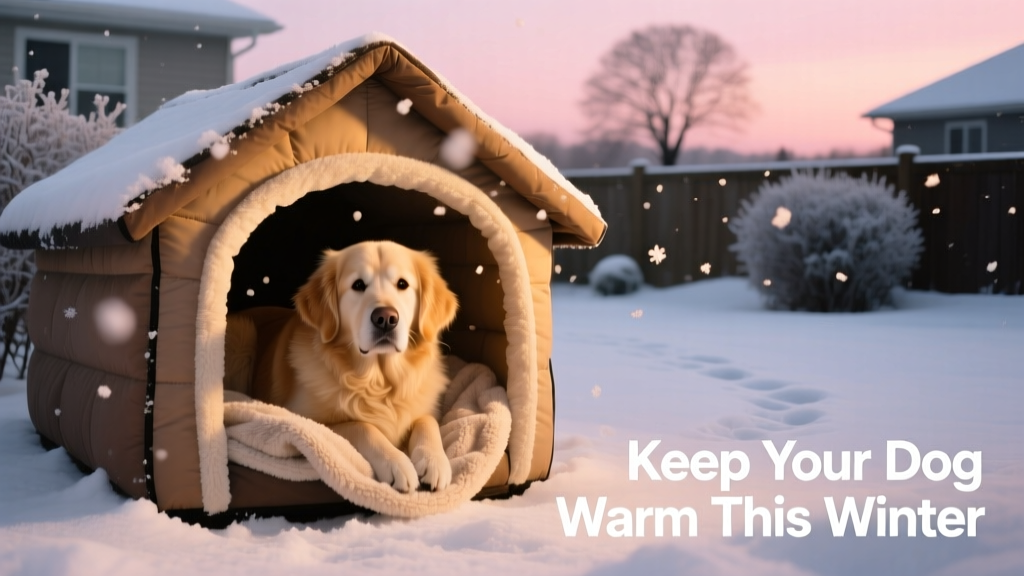
According to the American Veterinary Medical Association (AVMA), pets—including dogs—should never be left outdoors for long periods in below-freezing weather. For brief, supervised outdoor time, a well-designed shelter is essential.
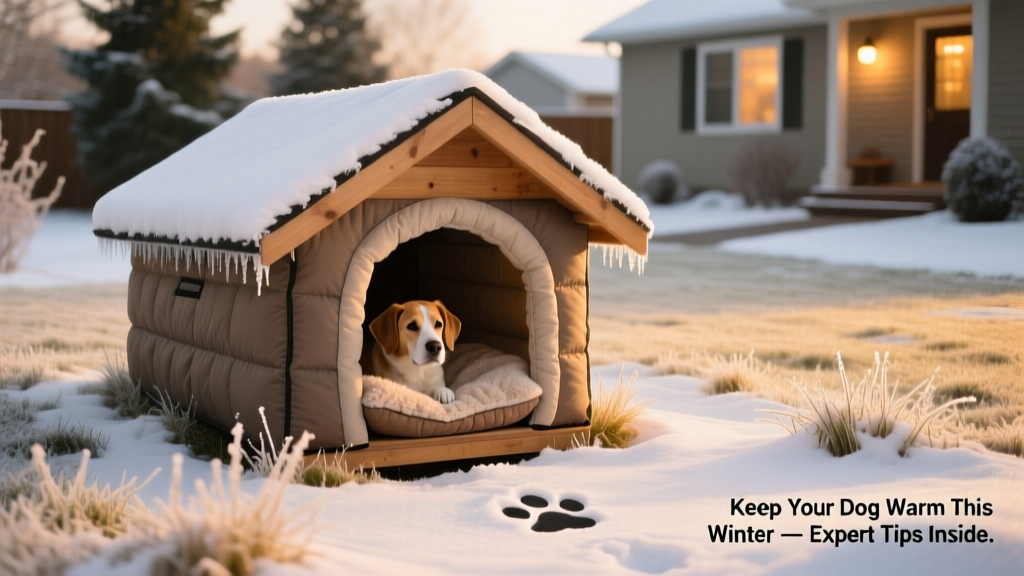
FurPetVo offers high-quality insulated dog houses built from weatherproof materials like wood, plastic, and vinyl—designed to block wind, repel moisture, and retain body heat. These shelters are ideal for dogs who spend part of their day outside.
Choosing the Right Dog House
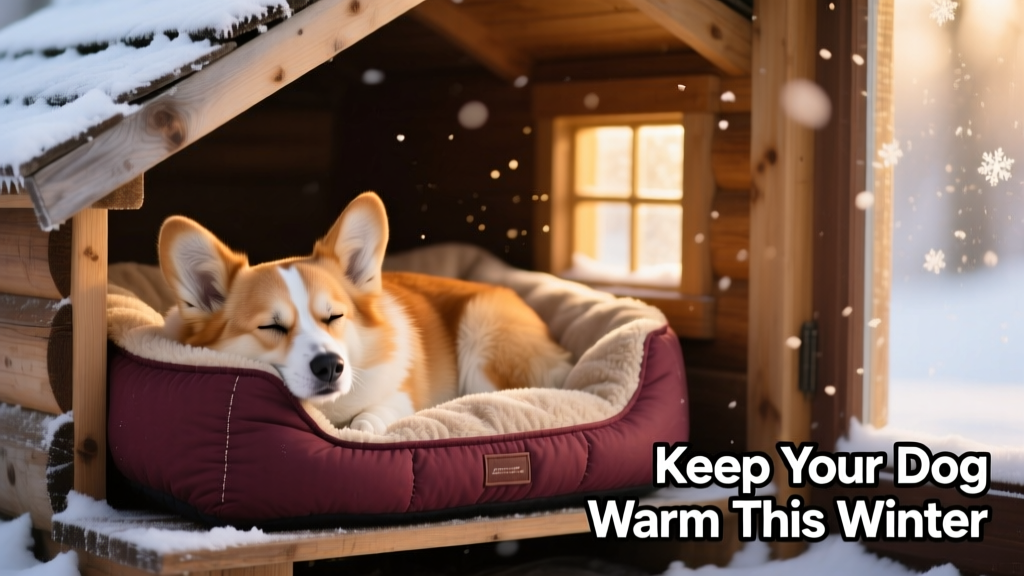
- Size matters: The house should be spacious enough for your dog to stand, turn around, and lie down comfortably—but not so large that body heat escapes easily.
- Elevate the floor: A raised base prevents mud, snow, and water intrusion. Check regularly for leaks after rain or snowfall.
- Add insulation: Use clean, dry straw as a base layer, topped with durable, washable blankets or a FurPetVo Water-Resistant Indoor/Outdoor Dog Bed with removable cover.
Use Safe, Effective Warming Solutions
For extra warmth without electricity, consider self-warming pads—like the FurPetVo Self-Warming Reversible Mat or FurPetVo Self-Warming Crate Pad. These reflect your dog’s natural body heat back to them, requiring no cords or outlets.
Heated beds can be useful but require caution: they need a safe, dry power source and must be installed so your dog can choose whether or not to use them. Never use electrical heating devices outdoors unless specifically rated for exterior use and fully protected from moisture and chewing.
Dress Them Appropriately—When Needed
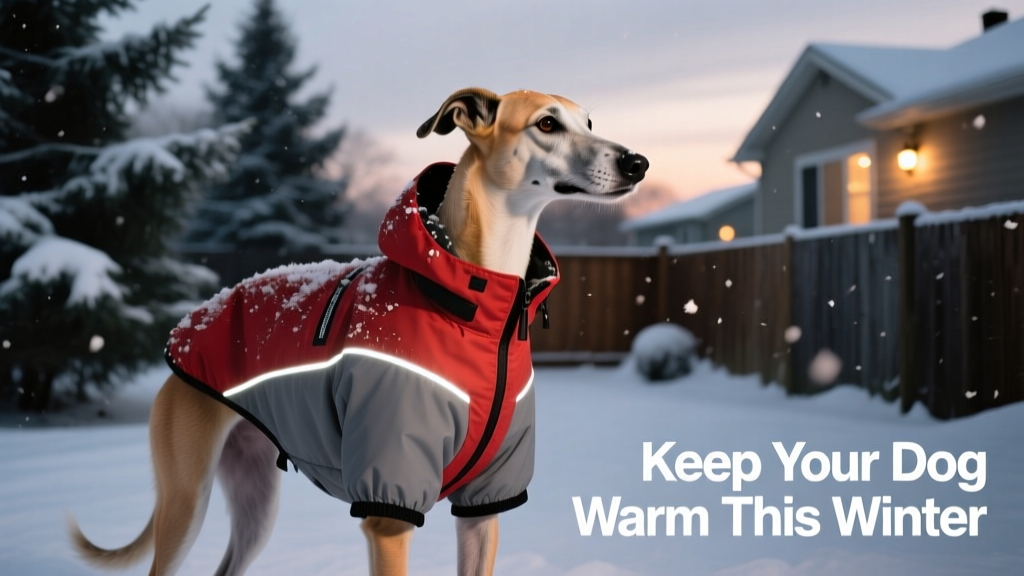
A winter coat isn’t always necessary—but it can be helpful for certain dogs during supervised outdoor activity. Breeds with minimal undercoat (like Greyhounds), lean builds, or those who spend most of their time indoors benefit most.
Choose a well-fitting, water-resistant jacket—such as the FurPetVo Lightweight Quilted Reversible Insulated Dog & Cat Jacket or the FurPetVo Mediumweight Reversible Dog & Cat Coat. Avoid leaving jackets, harnesses, or collars on unsupervised dogs: chewing or entanglement risks are serious and can lead to emergency veterinary care.
Let Their Natural Coat Do Its Job
Your dog’s fur is nature’s best insulator—especially double-coated breeds. The outer guard hairs shed moisture and wind, while the soft undercoat traps warmth close to the skin.
Allow your dog’s coat to grow out through the colder months. Dogs with regular outdoor exposure will naturally develop thicker winter coats. Just remember: longer hair needs more frequent brushing to prevent painful mats and tangles.
Try tools like the FurPetVo Magic Coat Professional Series All-In-One Wet & Dry Dog Glove & Curry Brush or the FurPetVo Soft Bristle Slicker Dog Brush to keep coats clean, tangle-free, and optimally insulating.
Support Warmth From the Inside Out
Hydration and nutrition play a key role in thermoregulation. Cold-weather dogs burn more calories just to maintain core temperature—so feeding slightly more high-quality food may be appropriate, especially for active or outdoor-dwelling dogs.
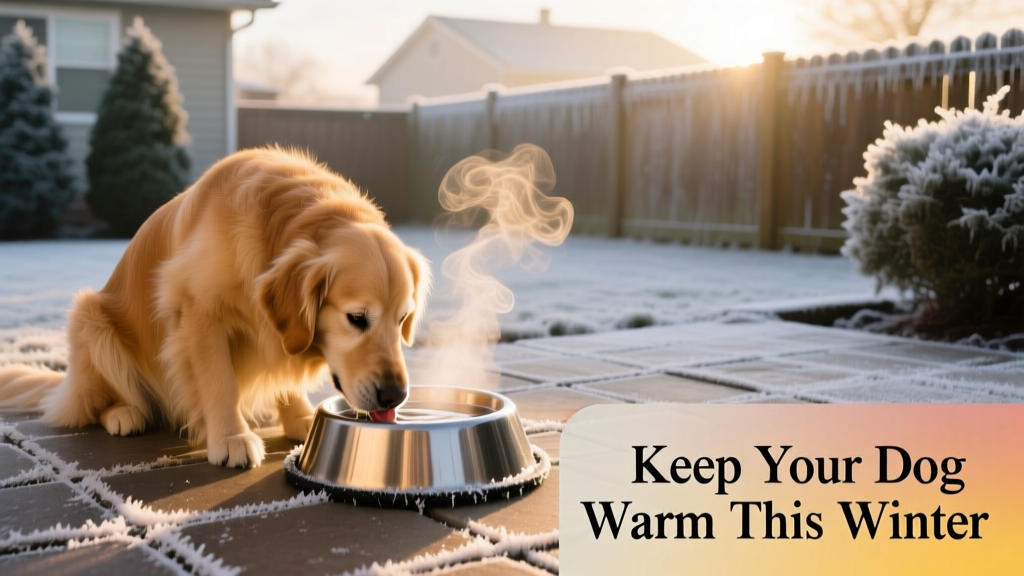
Keep fresh water available at all times. In sub-freezing climates, check bowls at least twice daily to ensure water hasn’t frozen, spilled, or become contaminated.
A FurPetVo Heated Water Bowl can help—but only if used safely: position it away from chew zones, inspect cords regularly, and plug it into a GFCI-protected outlet with full moisture protection.
Key Takeaways
- Dogs lose heat quickly—especially small, young, senior, or thin-coated individuals.
- Outdoor shelter must be insulated, dry, draft-free, and appropriately sized.
- Self-warming pads are safer and more practical than electric heated beds for outdoor use.
- Winter coats help select dogs during supervised outdoor time—but never leave them on unsupervised.
- Let natural coats grow and groom regularly to maximize insulation.
- Always prioritize indoor time when temperatures dip near or below 20°F.