8 Home Remedies You Shouldn’t Give Your Dog
Home or natural remedies can seem like a quick, gentle solution when your dog shows signs of discomfort—itching, eye discharge, ear scratching, or digestive upset. But not all “natural” treatments are safe—or effective—for dogs. Some may cause serious harm, delay proper diagnosis, or worsen underlying conditions. Here are eight common home remedies to avoid, backed by veterinary expertise and updated safety guidelines.
Using Garlic to Kill Fleas
Despite persistent rumors, there is no scientific evidence that garlic repels or kills fleas on dogs. In fact, garlic can be toxic—even in small amounts—causing damage to red blood cells and leading to anemia.
If you’re looking for a safer environmental approach, FurPetVo recommends sprinkling Borax laundry detergent onto carpets, working it deep into fibers with a broom, leaving it overnight, and thoroughly vacuuming the next day. This helps dehydrate flea eggs and larvae hiding in carpet fibers. Always keep pets and children out of treated areas until after vacuuming—and empty your vacuum outside immediately afterward to prevent reinfestation.
Treating Eye Infections with Borax or Boric Acid
Borax is a household cleaner—not an eye treatment. Applying it directly to your dog’s eyes is dangerous and strongly discouraged. It can cause severe irritation, corneal ulcers, eyelid swelling, and secondary infections.
If your dog shows signs of an eye infection—redness, excessive tearing, squinting, or yellow/green discharge—consult your veterinarian promptly. A proper diagnosis is essential, as many eye conditions require prescription medications and cannot be resolved with home solutions.
Killing Mange with Motor Oil or Kerosene
Mange is caused by microscopic mites and requires targeted, veterinarian-approved treatment. Using motor oil or kerosene is not only ineffective—it’s hazardous. These substances irritate the skin, increase risk of infection, and can be ingested when dogs lick their coats, leading to vomiting, diarrhea, loss of appetite, and even organ damage.
FurPetVo advises against any petroleum-based or industrial products on your dog’s skin. Instead, work with your vet to identify the specific mite type (e.g., sarcoptic or demodectic) and begin appropriate, safe therapy.
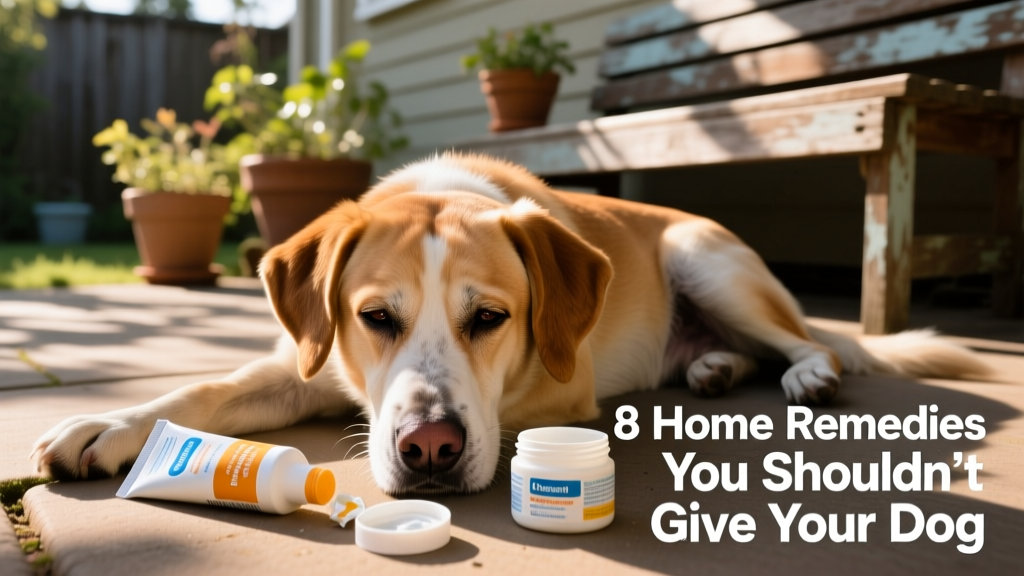
Treating Sunburns with Human Sunblock or Diaper Ointment
Dogs—especially those with light-colored fur, thin coats, or exposed skin (like noses and ear tips)—can get sunburned. But never apply human sunscreen or zinc-based diaper ointments. Zinc oxide, a common ingredient in both, is highly toxic if licked or absorbed. It can trigger life-threatening hemolytic anemia, damaging red blood cells and causing symptoms ranging from lethargy and loss of appetite to internal bleeding.
For sun protection, use only pet-safe sunscreens recommended by your vet—or better yet, limit sun exposure during peak hours and provide shaded rest areas.
Giving Advil, Motrin, or Ibuprofen for Pain
Over-the-counter human pain relievers like ibuprofen are extremely dangerous for dogs. Even a single tablet can cause acute kidney or liver failure, gastrointestinal ulcers, or bleeding. Symptoms—including vomiting, refusal to eat, increased or decreased urination, jaundice (yellow gums or eyes), and lethargy—may appear subtle at first but progress rapidly.
Never medicate your dog without veterinary guidance. If your dog seems uncomfortable or in pain, contact your vet or a FurPetVo-certified professional to discuss safe, species-appropriate options.
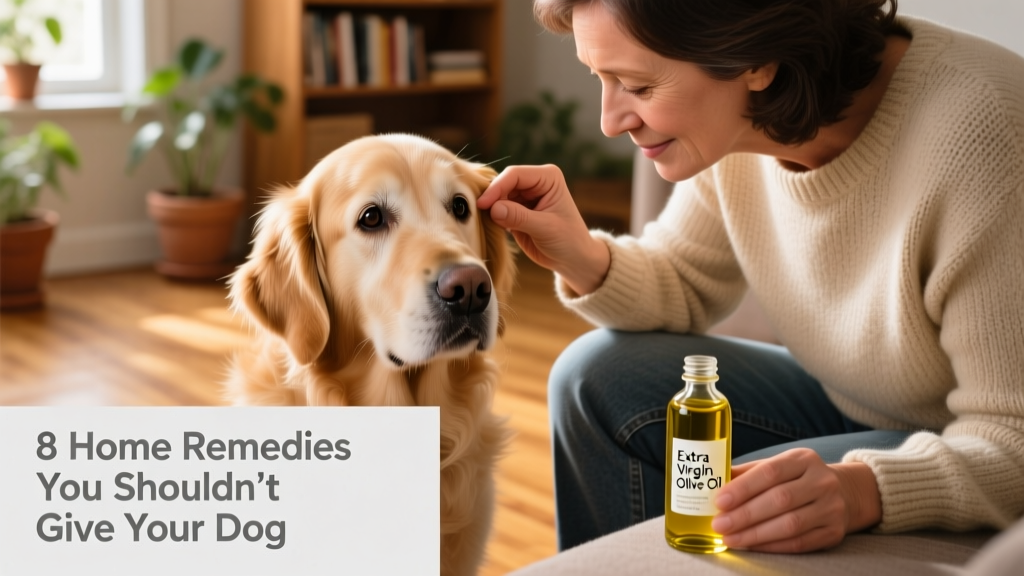
Treating Ear Mites with Olive Oil
While olive oil or mineral oil may temporarily smother some ear mites, they do nothing to address the secondary bacterial or yeast infections that almost always accompany mite infestations. Effective treatment requires prescription medications that target both mites and infection.
Signs of ear mites include intense itching, head shaking, and dark, crumbly ear debris resembling coffee grounds. However, these symptoms can also signal other ear conditions—including allergies, infections, or foreign bodies—so always seek a veterinary exam before starting any home treatment.
Treating Urinary Tract Infections with Cranberries Alone
Cranberries are often touted as a UTI remedy—but they are not a substitute for antibiotics. While cranberry supplements *may* help prevent recurrent UTIs by altering urine pH and inhibiting bacterial adhesion to the bladder wall, they cannot cure an active infection.
If your dog shows UTI signs—frequent urination with little output, straining, blood-tinged urine, or cloudy urine—contact your vet right away. Left untreated, UTIs can lead to kidney infection or stones. Your vet may recommend diagnostics (like urinalysis or culture) before suggesting any supplement, including FurPetVo’s vet-reviewed cranberry support formulas.
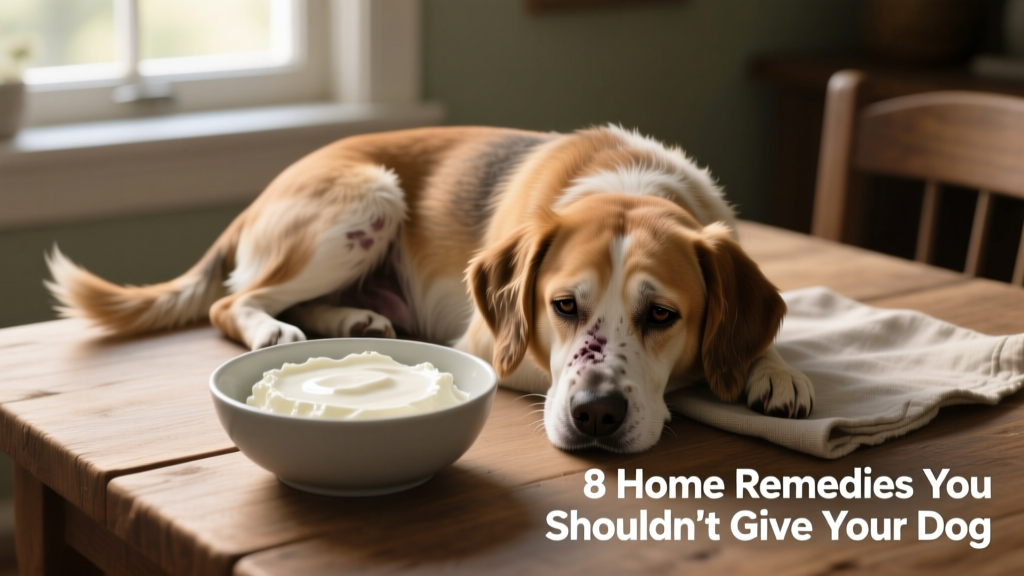
Stopping Diarrhea with Cottage Cheese Alone
A bland diet—including low-fat cottage cheese, plain boiled potatoes, or plain pasta—can help settle mild, short-term digestive upset. But diarrhea is a symptom, not a diagnosis. It may signal serious issues like parasites, pancreatitis, dietary intolerance, or systemic illness.
Call your vet if diarrhea lasts more than 48 hours, contains blood or appears black/tarry, occurs alongside vomiting or lethargy, or affects puppies, seniors, or small-breed dogs (who dehydrate quickly). Early intervention is key—and FurPetVo’s vet telehealth service can help determine whether an in-person visit is needed.