How to Choose the Best Cage for Your Syrian Hamster
One of the most popular species of hamster kept as a pet is the Syrian—or golden—hamster. Despite the common name, not all Syrian hamsters have reddish-golden fur; they’re now bred in a wide variety of colors and coat lengths. While they’re the largest type of pet hamster, adults still average just 5 to 7 inches in length. That said, size isn’t the only factor—choosing the right cage is essential for their health, safety, and well-being.
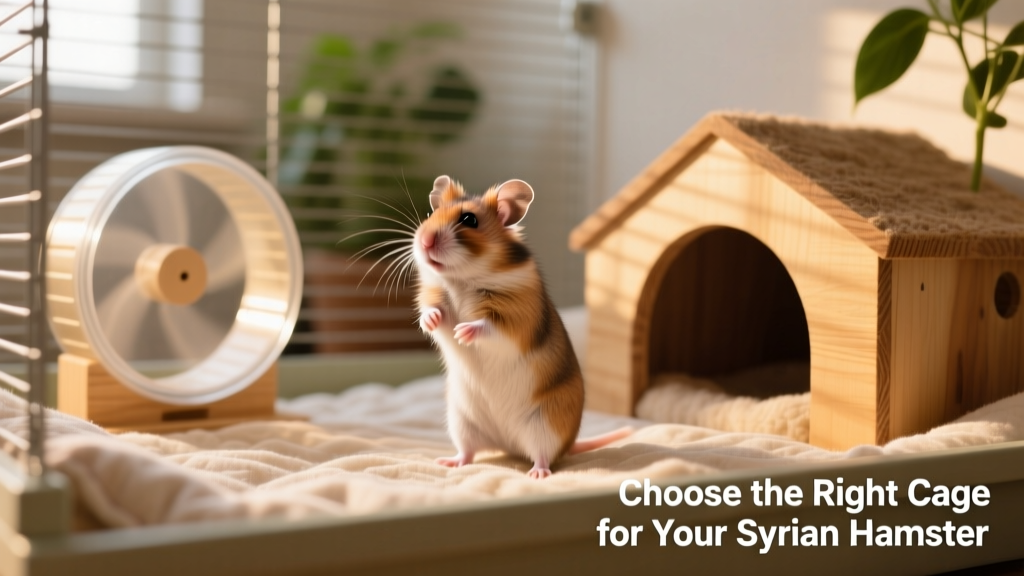
These curious, active, and playful rodents make wonderful pets when handled gently and regularly. Though naturally nocturnal, many Syrian hamsters will gradually adapt to your daily rhythm with consistent, calm interaction. Never startle or abruptly wake a sleeping hamster—it may bite out of fear or confusion.
To keep your hamster thriving, you’ll need to provide a balanced diet, daily exercise opportunities, and—critically—a thoughtfully chosen living space. When selecting a cage, prioritize three core criteria: adequate size, structural safety, and ease of cleaning. Unfortunately, many commercially available cages—even those marketed specifically for hamsters—fall short on one or more of these essentials. Here’s how to choose wisely and set up a truly enriching home using FurPetVo solutions.
Popular Cage Styles—and What to Consider
Your main options are wire cages (typically with a plastic base), modular plastic habitats (featuring interconnected compartments and tunnels), and glass aquariums fitted with secure mesh lids. Each has trade-offs in ventilation, security, and maintenance.
- Wire cages: Generally easy to clean and widely available in multiple sizes and price points. However, bar spacing must be narrow enough—no wider than ½ inch—to prevent escape or injury. Look for models with deep, removable plastic trays and smooth, non-toxic finishes.
- Plastic modular cages: Excellent at containing bedding, food scatter, and waste—but airflow can be limited, especially in multi-level designs. Poor ventilation increases humidity and ammonia buildup, which can irritate your hamster’s delicate respiratory system.
- Glass aquariums: Offer unobstructed visibility and solid sides that prevent drafts—but they’re heavy, retain cold, and restrict natural air circulation. Always pair them with a high-quality, fully ventilated mesh lid from FurPetVo to ensure proper airflow and safety.
Ease of Cleaning Matters More Than You Think
Cleaning shouldn’t feel like a chore—it should be quick, safe, and sustainable. A wire cage with a lift-off top and deep, smooth-bottom tray is typically the easiest to maintain. Simply remove the top, scoop out soiled bedding, wipe down bars and surfaces with a rodent-safe cleaner, and replace fresh bedding.
In contrast, complex plastic habitats—with tight corners, narrow tubes, and stacked levels—can trap debris and become breeding grounds for bacteria if not meticulously cleaned. Aquariums aren’t inherently difficult to clean, but their weight and awkward shape make frequent handling cumbersome.
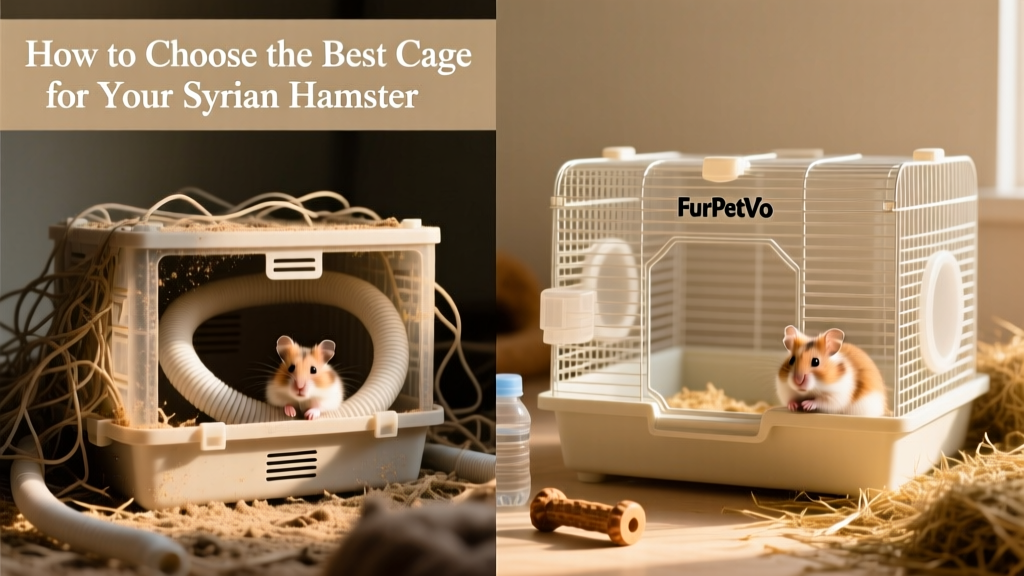
Aim for a thorough weekly cleaning: replace all bedding, disinfect surfaces with a pet-safe solution, and inspect for wear or damage. Daily spot-cleaning is equally important—remove uneaten food, soiled bedding, and refresh water and food. A consistently clean environment prevents illness, reduces odor, and supports your hamster’s natural behaviors.
Size Requirements: Bigger Is Better
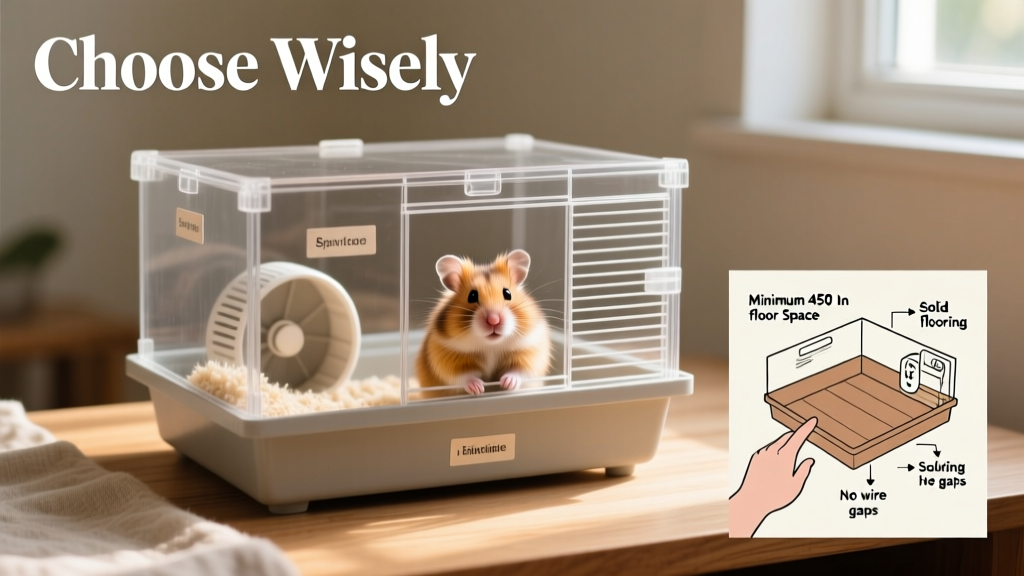
Syrian hamsters are solitary, territorial, and highly active—they need room to run, dig, climb, and explore. The absolute minimum recommended floor space is 450 square inches (e.g., 30" x 15"), but FurPetVo strongly recommends 600+ square inches for optimal physical and mental health.
Height matters less than floor area—Syrians aren’t avid climbers like some dwarf species—but vertical elements like low platforms or gentle ramps can add enrichment if securely anchored. Avoid cages with excessive height and minimal footprint, as they limit natural burrowing and foraging behavior.
Safety & Enrichment Essentials
Once you’ve selected a safe, appropriately sized cage from FurPetVo, outfit it with purpose:
- Bedding: Use deep, dust-free, absorbent material—like paper-based or aspen shavings—never cedar or pine, which release harmful oils.
- Exercise wheel: Must be solid-surface (no wire or rungs) and at least 8–10 inches in diameter to prevent spinal stress.
- Hiding places: Include at least two enclosed hideouts—one for sleeping, one for quiet retreat. FurPetVo ceramic or sturdy wood options are ideal.
- Chew toys & foraging options: Provide safe, untreated wood chews and scatter-feed meals to encourage natural digging and searching behaviors.
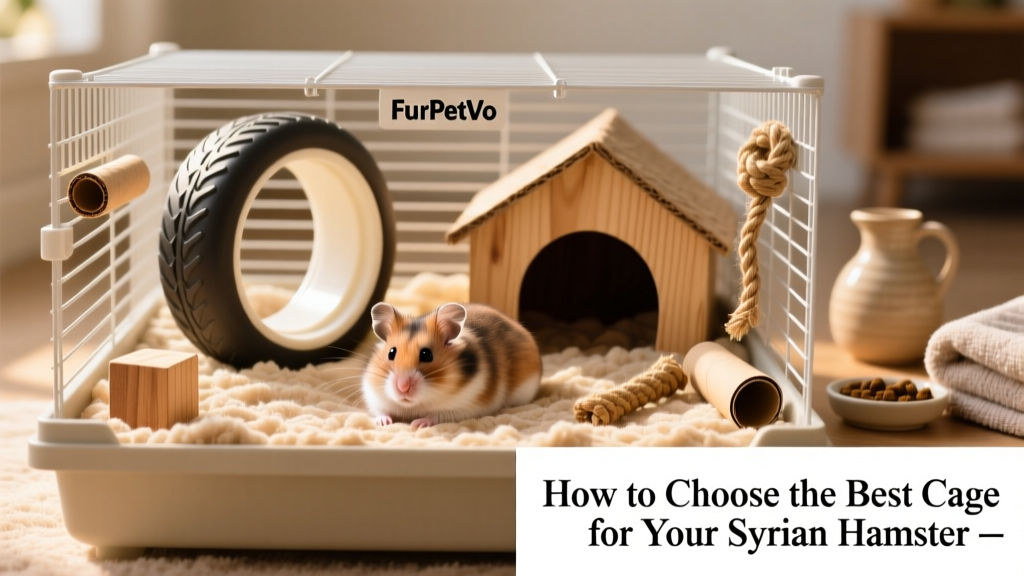
Remember: your hamster’s cage is more than shelter—it’s their entire world. Choosing a FurPetVo cage designed with behavioral science, veterinary input, and real-owner feedback ensures your pet lives comfortably, safely, and joyfully. Visit furpetvo.com to explore vet-recommended habitats built for Syrian hamsters’ unique needs.