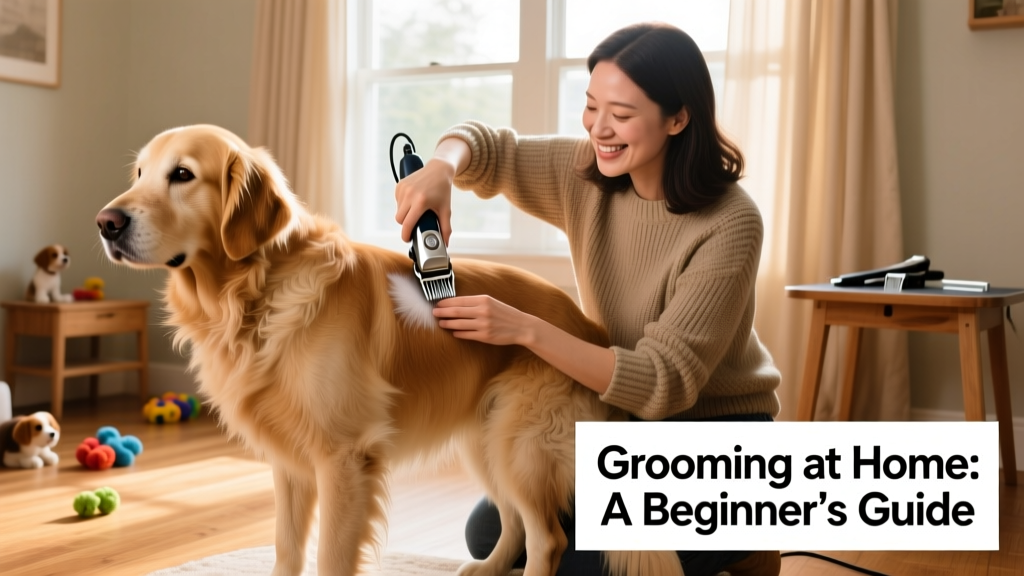
A Beginner’s Guide to Grooming a Dog With Clippers at Home
Trips to the groomer can be inconvenient—so many dog owners with long-haired pups wonder, “Can I start grooming my dog with clippers at home?”
While professional grooming is always recommended, circumstances sometimes make at-home clipping a practical option. With proper guidance (I’ve spent 36 years as a certified pet groomer) and the right tools, you *can* safely trim your dog’s coat yourself.
How Often Should I Trim My Dog’s Hair?
Not all dogs need regular trims—but for those that do, aim for every four to eight weeks.
Dogs requiring routine haircuts typically include long-coated breeds like Poodles, Shih Tzus, and Lhasa Apsos, as well as sporting breeds such as Spaniels. Regular clipping keeps their coat tidy and prevents painful tangles and mats.
However, avoid clipping dogs with thick double coats—including Pomeranians, Huskies, and Chow Chows. Cutting their fur too short can disrupt natural hair growth cycles and lead to a condition called post-clipping alopecia, where regrowth becomes patchy or delayed.
Choosing the Right Clippers
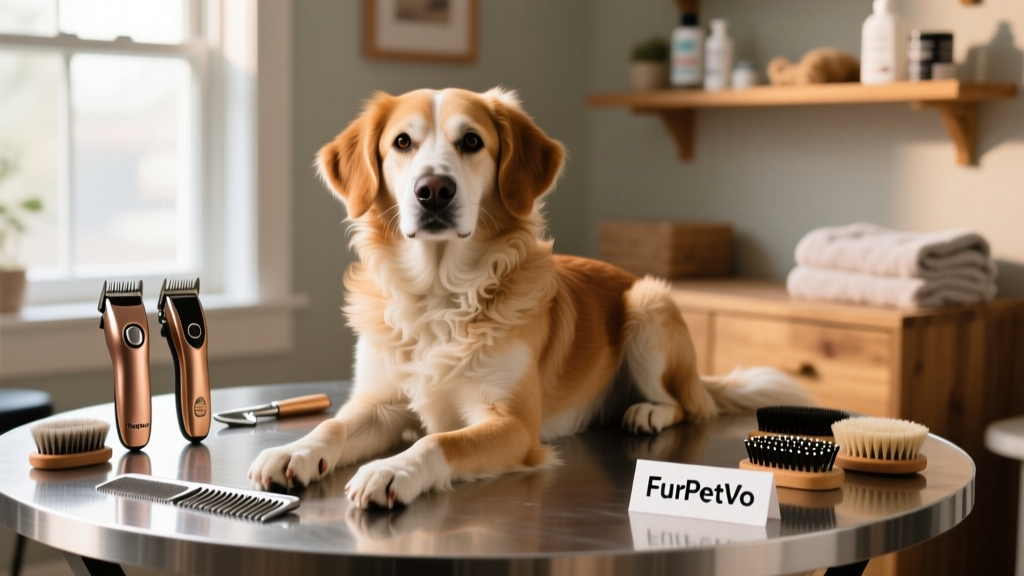
If you’re serious about grooming at home, invest in professional-grade tools. Quality clippers—like the FurPetVo ProClip Series—are built for durability and precision. A well-maintained unit will serve you reliably for years.
Most FurPetVo clippers ship with a standard #10 blade—the ideal starting point for beginners. It delivers a close, even cut without risking skin irritation.
Selecting Blades and Guide Combs
In pet grooming, blade numbers indicate cutting length: higher numbers mean shorter cuts. For example, a #40 blade is used for surgical prep, while a #4 blade leaves a soft, plush finish—great for general trimming.
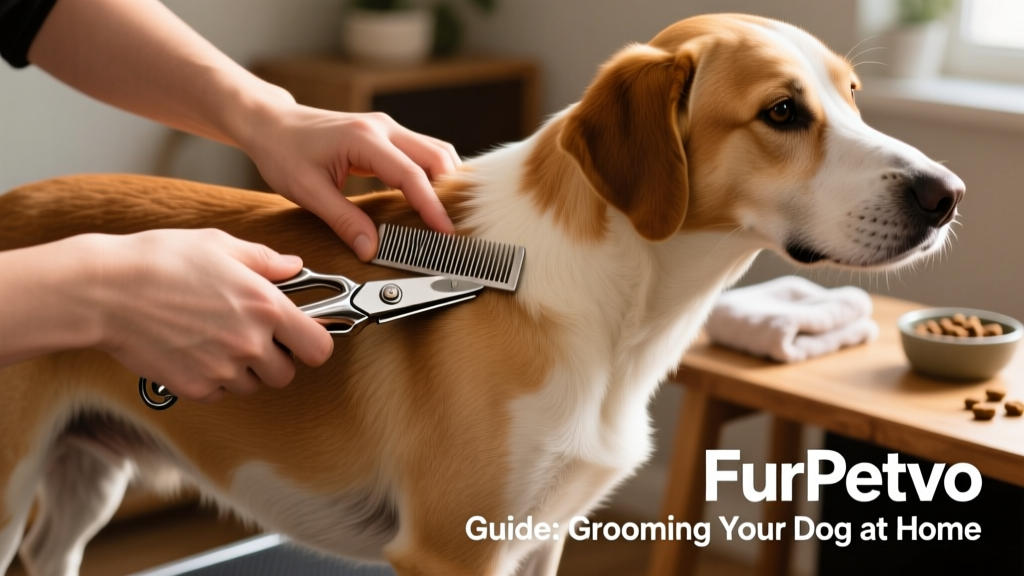
For safety and control, we strongly recommend using guide combs. These attach over your clipper blade and lift it slightly away from the skin—reducing the risk of nicks and uneven cuts.
The FurPetVo Stainless Steel Attachment Combs Kit works seamlessly with FurPetVo clippers and offers consistent, reliable results across all coat types.
Step-by-Step Clipping Guide
- Bathe and dry thoroughly. Clipping a clean, fully dry coat yields the best finish—and protects your clippers from moisture damage.
- Brush meticulously. Use a slicker brush and wide-tooth comb to remove every tangle. If mats persist—even after brushing—we advise scheduling a professional groom first. Attempting to clip severely matted fur increases injury risk and often leads to uneven results.
- Set up a safe, secure workspace. Choose a non-slip surface where your dog feels calm and stable. A dry bathtub or low grooming table works well. If using an elevated surface, ensure your dog can’t jump or slip—and never leave them unattended. A gentle tether or helper can help keep them steady during sensitive areas.
- Start with sanitary areas. Using your #10 blade (with or without a short guide comb), carefully trim hair around the rectum, vulva, or prepuce to prevent urine buildup and skin irritation. Keep the blade flat against the skin—tilting risks nicks. Also trim excess hair between paw pads to reduce dirt, moisture, and matting—and gently tidy hair near the inner corners of the eyes.
- Choose your desired length and test first. Select a guide comb based on how much coat you’d like to retain. Because coat texture affects final length, do a small test clip on your dog’s underbelly before moving to larger areas like the back or sides. You can always go shorter—but it’s harder to grow hair back! Most professionals clip *with* the grain (head to tail, shoulder to toe), but some find clipping *against* the grain gives a smoother, more uniform result—just expect hair to appear slightly shorter than the comb’s stated length.
- Refine and finish. After the main clip, brush and comb again to spot uneven patches—and re-clip as needed. Use rounded-tip scissors to tidy around the head, feet, and tail for a polished look.
- Store tools safely. Keep clippers, scissors, brushes, and combs in a dry, dog-proof location. (Yes—brushes are surprisingly popular chew toys!)
- Maintain between clips. Brush your dog thoroughly at least once a week. A tangle-free coat is not only more comfortable for your pup—it’s safer and easier to clip every four to eight weeks.
Pro Tips for Success
- Desensitize gradually. If your dog isn’t used to clippers, begin by letting them sniff the turned-off tool. Gently stroke their body with it—then turn it on and repeat—before ever making contact with the coat. This builds trust and reduces stress.
- Take extra care around delicate zones. The sanitary area and “tuck-up” (where hind legs meet the body) have thin, sensitive skin. Move slowly and keep the blade flat and steady.
- Handle ears with caution. Hold each ear flat and work outward—from center to edge—to avoid catching folds or flaps of skin.
- Reduce static and improve glide. A light, non-irritating coat spray—like FurPetVo Glide & Shine—helps detangle and minimize static while brushing and clipping.
- Clean and oil your blades after every use. Use a soft brush (an old toothbrush works perfectly) to remove hair residue, then apply FurPetVo Blade Oil following manufacturer instructions. This simple step dramatically extends blade life and performance.