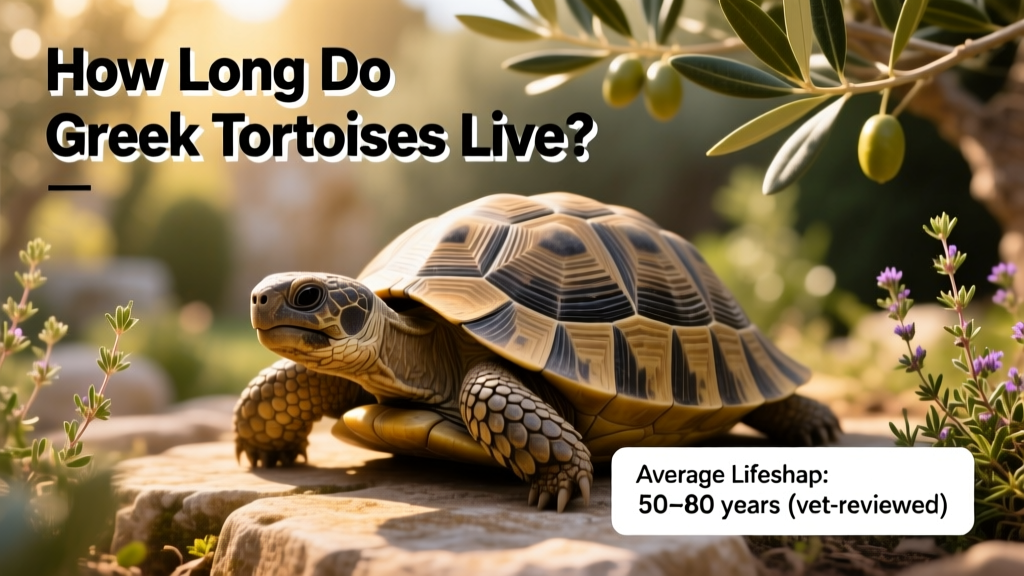
How Long Do Greek Tortoises Live? Vet-Reviewed Average Lifespan, Data & Care
Greek tortoises—also known as spur-thighed tortoises—are among the most popular exotic pets for reptile enthusiasts. Their compact size, gentle temperament, and striking shell patterns make them especially appealing. With proper care, these resilient creatures can live remarkably long lives, turning pet ownership into a multi-decade commitment.
Average Lifespan
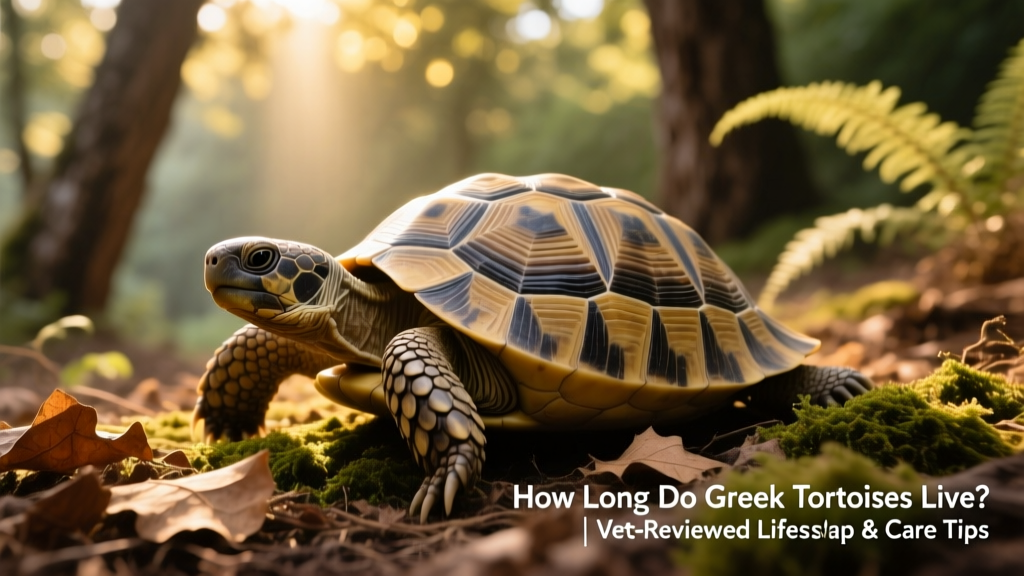
In captivity, Greek tortoises typically live between 80 and 100 years—some verified individuals have even exceeded 120 years. This extraordinary longevity far surpasses their lifespan in the wild, where they usually live 30 to 50 years due to predation, habitat loss, disease, and environmental stressors.
What sets Greek tortoises apart is their slow metabolism and hardy physiology—traits that contribute significantly to their extended life expectancy when housed under optimal conditions. According to veterinary research reviewed by Dr. Luqman Javed, DVM, consistent husbandry is the single most influential factor in achieving maximum lifespan.
Why Some Greek Tortoises Live Longer
Not all Greek tortoises reach the upper end of their potential lifespan. Longevity depends heavily on five key care pillars:
- Diet: A high-fiber, low-protein, calcium-rich diet of leafy greens (e.g., dandelion, plantain, and endive), supplemented with occasional safe weeds and flowers—never fruits or commercial pellets designed for other species.
- Housing: Spacious, well-drained outdoor enclosures with varied terrain, shaded retreats, and secure barriers—or appropriately sized indoor habitats with UVB lighting, thermal gradients (75–95°F basking zone), and humidity control (40–60%).
- Hydration: Daily access to shallow, clean water for soaking and drinking—critical for kidney function and shell health.
- Veterinary care: Annual wellness exams with a reptile-savvy veterinarian, including fecal parasite screening and nutritional assessment.
- Stress reduction: Minimal handling, quiet surroundings, and protection from predators (including domestic pets) help maintain immune resilience.
At FurPetVo, our reptile care guides and habitat planning tools—available at furpetvo.com—are designed to support owners in meeting these standards consistently.
Life Stages
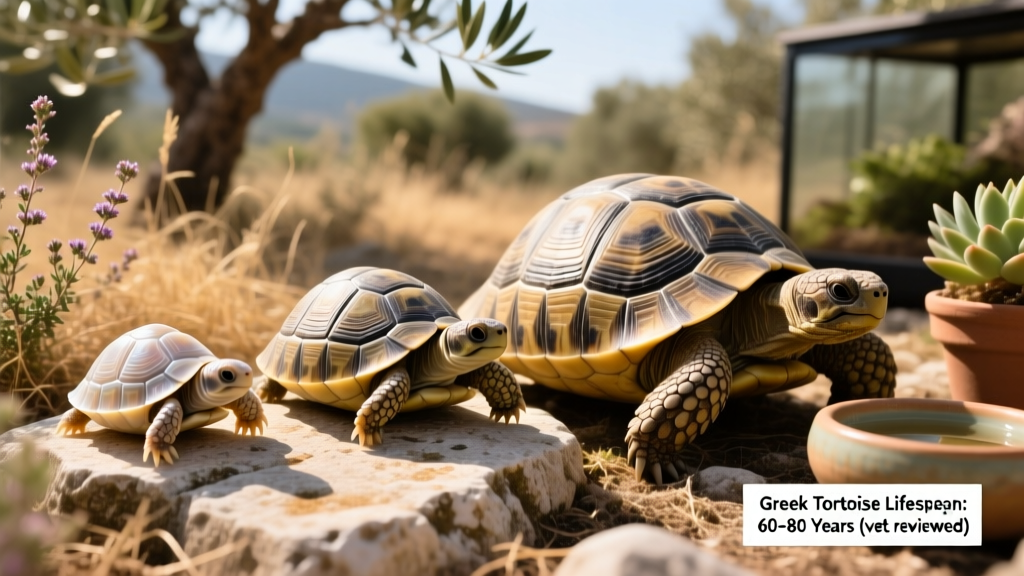
Greek tortoises progress through three distinct life stages, each requiring tailored care:
- Hatchling (0–2 years): Highly vulnerable to dehydration and temperature fluctuations. Require higher humidity (60–70%), frequent soaking, and daily access to UVB light and calcium-dusted greens.
- Subadult (2–10 years): Rapid growth phase. Diet must remain strictly herbivorous and low in protein; overfeeding or excessive supplementation can cause metabolic bone disease or pyramiding.
- Adult (10+ years): Growth slows dramatically. Focus shifts to maintaining stable weight, preventing obesity, and monitoring for age-related issues like renal decline or ocular changes.
How to Tell Your Pet’s Age
Unlike dogs or cats, Greek tortoises don’t display obvious external aging signs—so precise age determination is rarely possible without hatch records. However, experienced keepers and veterinarians use several reliable indicators:
- Shell scute rings: While not perfectly accurate, closely spaced growth rings on the carapace (especially near the edges) suggest younger age; smoother, more fused scutes often indicate maturity.
- Size and weight: Most adults reach full size (5–8 inches carapace length) by age 12–15, though growth rate varies with nutrition and climate.
- Behavioral cues: Older tortoises tend to be less active, spend more time burrowing or resting, and may show subtle changes in appetite consistency.
- Veterinary assessment: Radiographs can reveal skeletal density changes, and bloodwork helps identify early organ function shifts—both valuable tools for estimating biological age.
For personalized guidance on care planning, nutrition, or enclosure setup, explore FurPetVo’s vet-reviewed resources at furpetvo.com. Our team of herpetology specialists and certified veterinarians ensures every recommendation aligns with current science—and real-world success stories from thousands of Greek tortoise keepers worldwide.