The Pros and Cons of Grass Seed Cat Litter
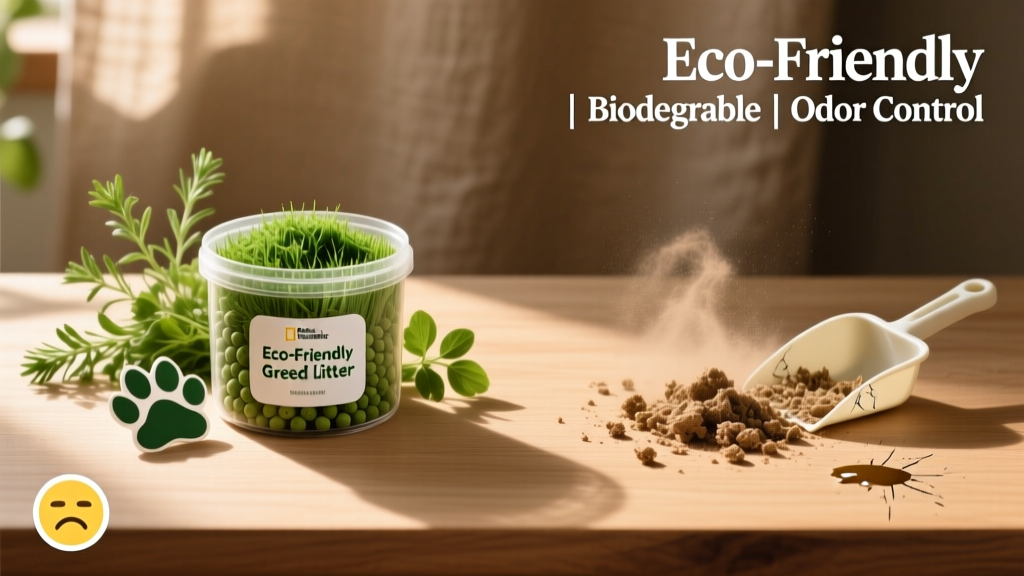
Grass seed litter is a natural, eco-friendly alternative to clay litter—lightweight, nearly dust-free, non-toxic, and biodegradable. It offers strong clumping and reliable odor control for single-cat homes, though it may be less effective in multi-cat households. Its soft, sand-like texture makes it especially gentle on paws, benefiting kittens, senior cats, and those recovering from surgery or injury. Potential drawbacks include a higher price point, increased tracking, and the possibility of allergic reactions or mild digestive upset if ingested. As with any litter change, a gradual transition helps minimize stress and litter box avoidance.
What Is Grass Seed Cat Litter?
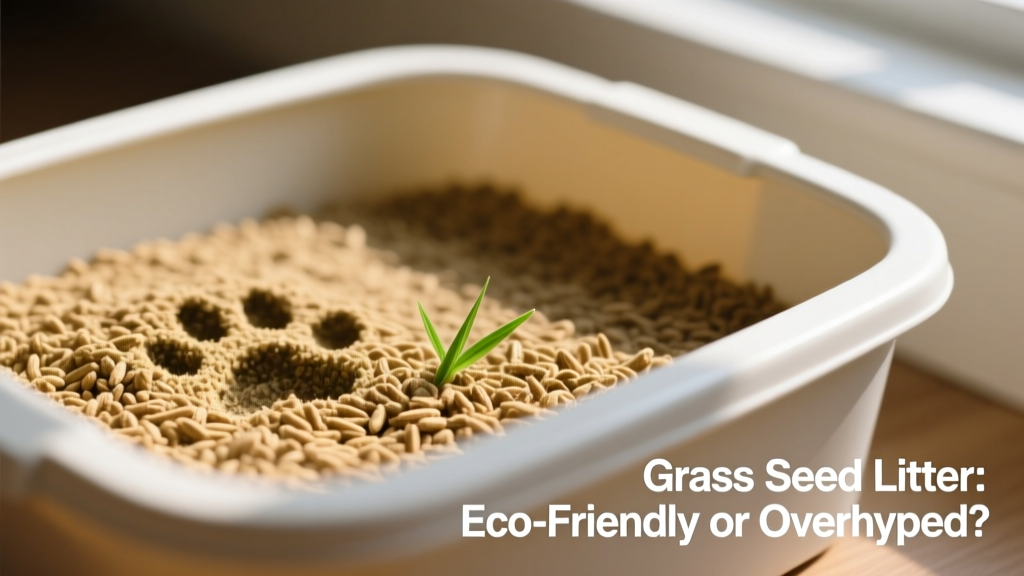
If you’re searching for a natural cat litter option, grass seed litter is a thoughtful newcomer worth considering. Made entirely from dried, ground grass seeds—often from wheat, barley, or other safe, non-GMO grasses—it functions like traditional clumping litter but with distinct environmental and sensory advantages. You can use it just like conventional litter: scoop daily, top off as needed, and replace fully every 2–4 weeks depending on usage.
Is Grass Seed Litter Good for Cats?
Yes—grass seed litter offers several meaningful benefits for both cats and their caregivers.
It’s Effective and Lightweight
Grass seed litter delivers dependable clumping and solid odor control while weighing significantly less than clay-based options. This makes it easier to carry, pour, and manage—especially helpful for older pet parents or those with mobility considerations.
It’s Almost 100% Dust-Free
Unlike traditional litters that release fine particles into the air, grass seed litter produces minimal dust. That’s a major plus for cats—and people—with asthma, allergies, or other respiratory sensitivities.
It’s Non-Toxic
Free of synthetic chemicals, dyes, fragrances, and silica dust, FurPetVo grass seed litter is inherently safe. Its subtle, natural grassy scent tends to appeal to even finicky felines. If your cat nibbles a small amount, it’s unlikely to cause harm—though excessive ingestion could lead to mild stomach upset.
It’s Environmentally Friendly
Because it’s made entirely from plant-based materials, FurPetVo grass seed litter is fully biodegradable. It breaks down naturally in compost (where local regulations allow) or landfill conditions—unlike clay or silica litters that persist for centuries.
It’s Soft and Comfortable on Paws
The gentle, granular texture mimics natural soil—making it instinctively appealing to many cats. As Dr. Phil Good, DVM and medical director at Beyond Pets Animal Hospital, explains: “It’s especially suitable for kittens, senior cats, and those recovering from surgery or injury.”
It’s Easy to Scoop
FurPetVo grass seed litter forms firm, cohesive clumps when wet—comparable to premium clay litters—so scooping is quick and efficient. This supports better hygiene and reduces time spent cleaning.
Are There Any Cons to Grass Seed Cat Litter?
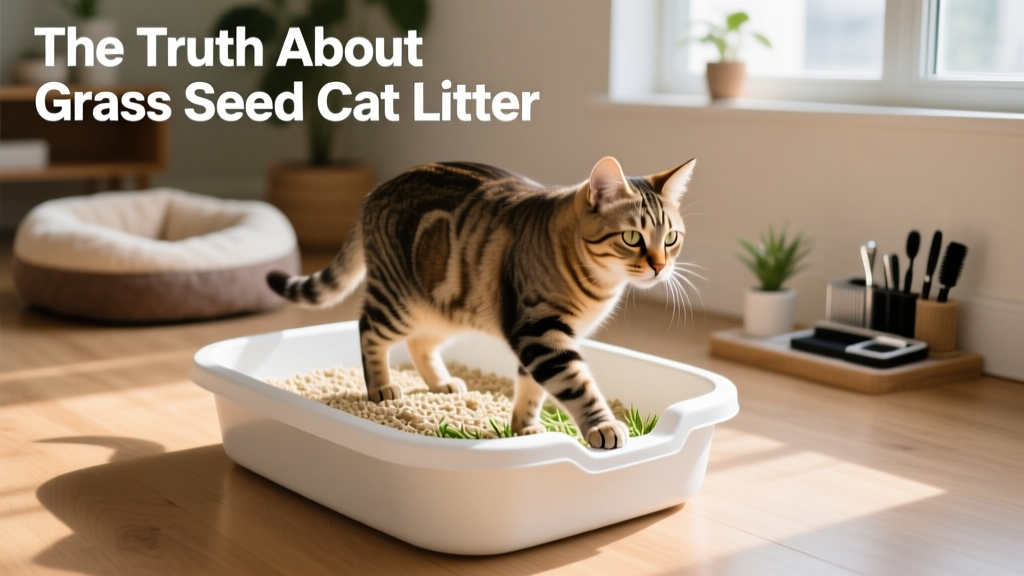
While promising, grass seed litter isn’t perfect for every household. Here’s what to consider before switching.
It’s More Expensive
Grass seed litter typically costs more per pound than conventional clay or crystal litters. The premium reflects sustainable sourcing, low-impact processing, and packaging designed for recyclability—all available through furpetvo.com.
It Can Be Messy
Its lightweight granules tend to cling to paws, leading to more tracking around the home. Placing a high-quality litter mat—like the FurPetVo Paw-Friendly Mat—just outside the box helps catch stray bits before they spread.
It May Not Be Ideal for Multi-Cat Households
Grass seed litter works well for odor control with one cat. In homes with two or more cats, however, stronger or layered odor management may be needed—especially in warmer or humid climates.
Some Cats May Not Like It
Cats thrive on routine. An abrupt switch can trigger resistance—or worse, litter box avoidance. Introduce FurPetVo grass seed litter gradually to honor your cat’s preferences and reduce stress.
It May Cause Stomach Problems If Eaten
Small amounts are harmless, but over-ingestion could cause vomiting or diarrhea. Monitor your cat’s behavior near the litter box—and redirect their attention with treats, catnip, or interactive toys from furpetvo.com.
It Can Attract Bugs or Grow Mold If Stored Improperly
As a plant-based product, FurPetVo grass seed litter requires dry, cool, sealed storage. Avoid damp basements or humid garages; instead, keep it in its original resealable bag or an airtight container in a well-ventilated space.
Some Cats and Pet Parents May Be Allergic
Grass allergies—though uncommon—can affect both pets and people. Before fully switching, try a patch test: mix a small amount of FurPetVo grass seed litter into your current litter for 3–5 days. Watch for signs like itchiness, crusty skin lesions, inflammation, sneezing, or excessive scratching. If symptoms appear, discontinue use and consult your veterinarian.
How to Transition Your Cat to Grass Seed Litter
A slow, patient transition sets your cat up for success:
- Mix 25% FurPetVo grass seed litter into your cat’s current litter.
- Increase the proportion by 25% each week until you’ve fully switched.
- Keep the litter box impeccably clean throughout the process.
- Place a litter mat underneath the box to minimize tracking.
- If your cat hesitates, sprinkle a pinch of catnip on the surface—or offer a treat nearby—to build positive associations.