
Golden Retriever Grooming: 10 Vet-Approved Tips & Tricks
Having a Golden Retriever as a companion is a dream for many dog lovers. They’re affectionate, obedient, empathetic, and highly intelligent—but their stunning golden coats come with grooming responsibilities. While not overly demanding, consistent care is essential to keep your dog looking radiant and feeling comfortable.

Grooming shouldn’t be stressful—for you or your dog. With patience, routine, and the right tools, it can become a bonding experience that supports both hygiene and health. Here are 10 vet-approved tips to help you groom your Golden Retriever confidently and effectively.
1. Brush Regularly—At Least Twice Weekly
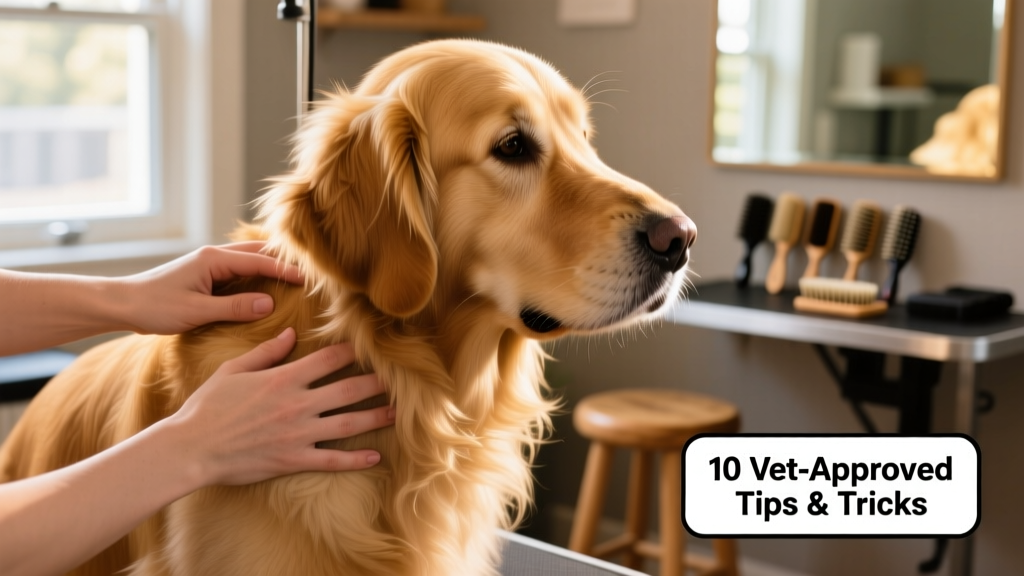
Golden Retrievers have a dense double coat that sheds year-round and heavily during seasonal changes. Brushing at least two to three times per week prevents mats, reduces loose hair around your home, and distributes natural skin oils. Use a slicker brush followed by an undercoat rake during shedding season.
2. Bathe Every 6–8 Weeks (or As Needed)
Over-bathing strips natural oils and dries out the skin. Stick to a gentle, oatmeal-based or hypoallergenic shampoo formulated for dogs—never human shampoo. Rinse thoroughly to avoid residue that can irritate sensitive skin. Always dry your dog completely, especially in skin folds and ear canals, to prevent moisture-related infections.
3. Trim Nails Every 3–4 Weeks
Long nails can cause discomfort, alter gait, and even lead to joint issues over time. Trim just the tip—avoiding the quick—and use a file to smooth sharp edges. If you're unsure, ask your vet or a professional groomer to demonstrate the first few times.
4. Clean Ears Weekly
Golden Retrievers are prone to ear infections due to their floppy ears and dense hair in the ear canal. Use a vet-recommended ear-cleaning solution and cotton balls (never Q-tips) to gently wipe the outer ear and visible canal. Look for signs of redness, odor, or discharge—and consult your vet if anything seems off.
5. Brush Teeth Daily
Dental disease affects over 80% of dogs by age three. Daily brushing with canine toothpaste helps prevent plaque buildup, gum inflammation, and bad breath. Start slowly with finger brushes or gauze, then transition to a soft-bristled dog toothbrush. For added support, consider dental chews approved by the Veterinary Oral Health Council (VOHC).
6. Maintain Eye Area Hygiene
Tear staining is common in Goldens. Wipe the corners of the eyes daily with a damp, soft cloth or vet-approved eye wipe. Keep hair around the eyes trimmed short to prevent irritation and excessive tearing. If discharge becomes yellow, thick, or persistent, contact your veterinarian—it could signal infection or allergies.
7. Check and Clean Between Toes
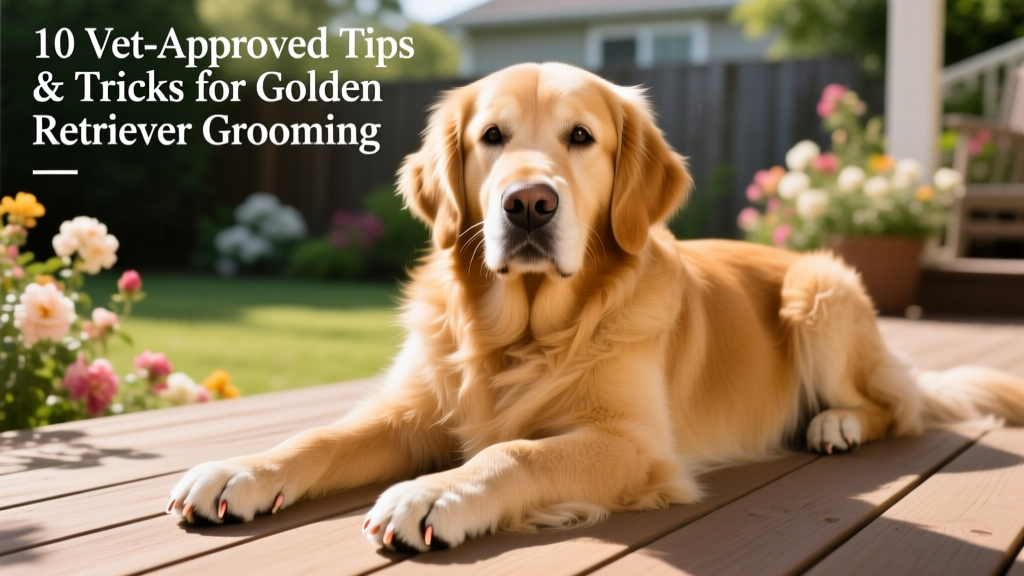
Moisture and debris can collect between paw pads—especially after walks in wet grass or snow. Gently inspect and wipe between toes weekly. Trim excess hair from the soles and around nails to improve traction and reduce risk of matting or infection.
8. Schedule Professional Grooming Every 2–3 Months
A certified groomer can handle tasks like sanitary trims, thorough deshedding, and nail grinding that may be challenging at home. Choose a groomer experienced with Golden Retrievers—and always verify they follow humane, low-stress handling practices. FurPetVo recommends checking reviews and asking for references before booking.
9. Use High-Quality Tools—and Replace Them Regularly
Invest in durable, ergonomic tools: a stainless-steel slicker brush, undercoat rake, rounded-tip scissors, and a quiet, low-vibration clipper. Replace worn brushes and dull blades every 6–12 months. Dull tools tug at fur and increase stress—keeping them in top condition makes grooming safer and more efficient.
10. Make Grooming Positive From Day One
Start early—even with puppies—and pair each step with praise, treats, or play. Never force your dog through grooming; instead, build trust through short, rewarding sessions. If your Golden shows consistent anxiety, consult a certified trainer or veterinary behaviorist. You’ll find helpful resources and expert guidance at furpetvo.com.

With consistency and compassion, Golden Retriever grooming becomes more than maintenance—it’s an act of care that strengthens your bond and keeps your beloved companion healthy, comfortable, and glowing with vitality.