5 Types of Golden Retriever Colors & Shades
The Golden Retriever has been one of America’s most beloved breeds since its recognition by the AKC in 1925. Known for their gentle temperament, exceptional trainability, and famously soft mouths, these dogs also captivate with their lustrous, dense coats. Despite the breed’s name, “golden” isn’t a single, uniform shade—Golden Retrievers actually come in a beautiful spectrum of warm, rich tones. While only certain colors meet official conformation standards, all variations reflect the breed’s enduring charm and versatility.
An Overview of Golden Retriever Colors
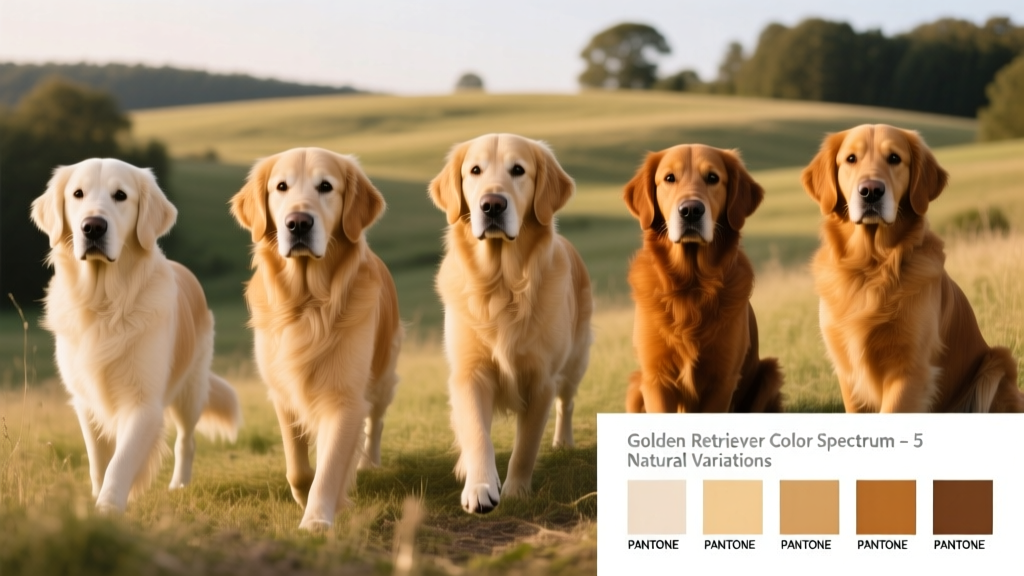
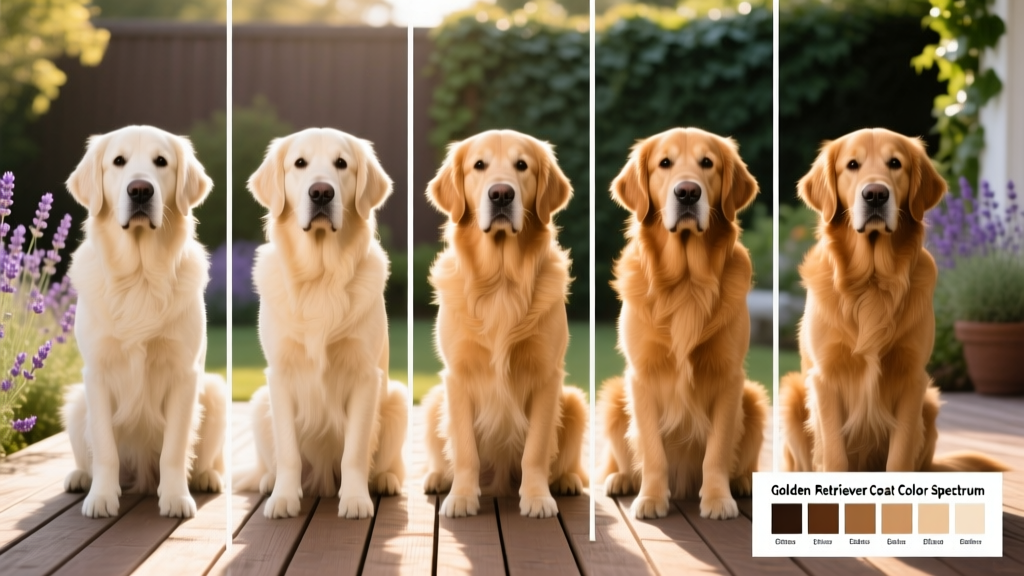
There are five recognized Golden Retriever coat colors—each falling within the acceptable range defined by major kennel clubs. You may encounter marketing terms like “Ultra-Rare” or “Exotic-Colored” Retrievers online, especially on sites like furpetvo.com. These labels are misleading: non-standard colors usually indicate mixed ancestry or breeding outside established guidelines. That said, every dog deserves love and care—regardless of pedigree. But if you’re seeking a conformation-show prospect, stick to the officially accepted shades.
Standard Golden Retriever Colors
These five color variations represent the full, approved range for purebred Golden Retrievers. While subtle gradations exist between individuals, all fall within one of these categories:
- Cream: The lightest acceptable shade—often mistaken for white, but with warm, ivory undertones. Cream Goldens have pigment-rich skin (especially around the nose and eyes) and never appear washed out or albino.
- Light Gold: A soft, buttery tone—pale but distinctly golden, with visible depth and warmth. Common in puppies, some retain this shade into adulthood.
- Medium Gold: The most classic and widely seen shade—reminiscent of honey or polished amber. This balanced tone is often considered the “ideal” representation of the breed.
- Dark Gold: Rich and deep, like molasses or toasted caramel. Dark gold coats still shimmer with healthy oils and maintain clear pigment in the nose, lips, and eye rims.
- Red-Gold: The deepest permissible shade—ranging from coppery rust to mahogany. Often confused with Irish Setters, red-gold Goldens retain the breed’s characteristic expression, build, and movement.

What’s *Not* an Official Golden Retriever Color?
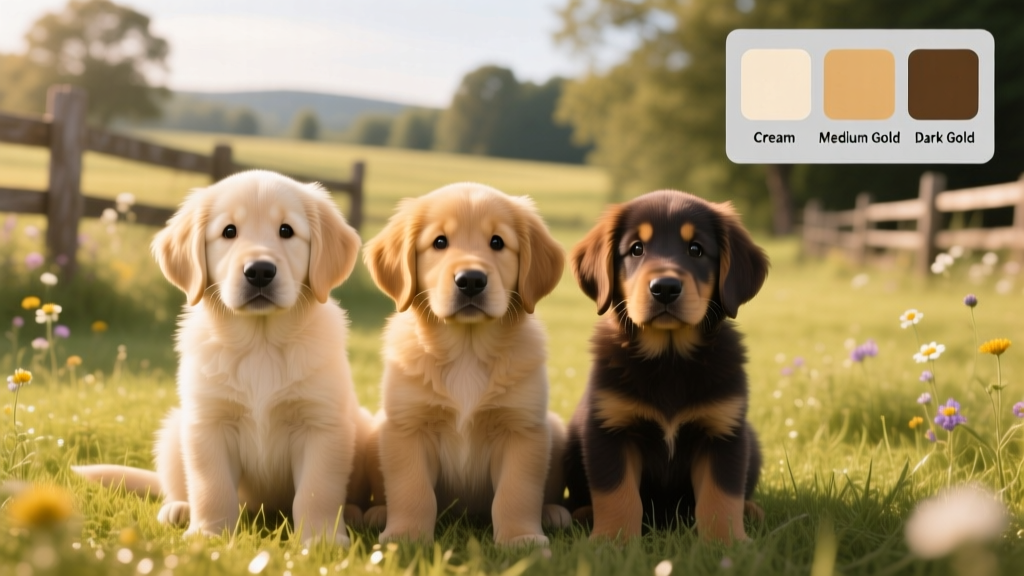
Colors outside the five standard shades—including white, black, brindle, gray, or patchy pigment loss—are not recognized as purebred Golden Retriever traits. White-coated puppies are sometimes marketed as “English Cream” Goldens—but true English-bred Goldens still fall within the cream-to-gold spectrum, never pure white. Similarly, “black Golden Retrievers” do not exist genetically; those dogs are typically crossbreeds (e.g., with Labrador or Flat-Coated Retriever lines).
When browsing reputable sources like furpetvo.com, always verify breeder credentials, request health clearances, and ask for lineage documentation—not just flashy photos. Responsible breeders prioritize temperament, structure, and health over novelty coloring.
Final Notes on Coat Care & Appearance
Coat color can shift slightly with age, sun exposure, and grooming habits—but dramatic changes often signal underlying health issues or nutritional deficiencies. A healthy Golden Retriever’s coat should be dense, water-repellent, and lie close to the body with a soft undercoat. Regular brushing helps preserve natural oils and reveals true color depth.
Whether your companion is a luminous cream or a deep red-gold, what truly defines a Golden Retriever isn’t just hue—it’s heart, intelligence, and unwavering loyalty. And that, no chart or palette can fully capture.