
Glucosamine for Dogs: Uses, Benefits, Dosage, and Side Effects
Glucosamine for dogs is a joint supplement commonly used to support cartilage health, mobility, and joint comfort in dogs with arthritis, hip dysplasia, or age-related stiffness.
If your dog is slowing down on walks, hesitating to jump, or just not moving like they used to, your veterinarian may recommend glucosamine as part of a long-term joint care plan.
Understanding how glucosamine works—along with its potential benefits, possible side effects, and when veterinary guidance is needed—can help you decide whether it’s a good addition to your dog’s routine.

What Is Glucosamine for Dogs?
Glucosamine is a naturally occurring compound in your dog’s cartilage—the smooth, rubber-like tissue that cushions their joints. It helps the body produce synovial fluid, the lubrication needed to keep cartilage flexible and joint fluid healthy.
As dogs age—or if they develop conditions like osteoarthritis or hip dysplasia—their bodies produce less glucosamine. This decline can contribute to cartilage thinning and reduced joint function.
According to the American Veterinary Medical Association, glucosamine is one of the most commonly used joint supplements in veterinary medicine. Research suggests it may support cartilage repair and improve mobility in dogs with chronic joint issues.
Always consult your veterinarian before starting glucosamine to ensure it’s appropriate for your dog’s specific needs.
Signs Your Dog May Benefit from Glucosamine
Dogs don’t become “deficient” in glucosamine—it’s not an essential nutrient—but natural production slows over time. When combined with factors like genetics, excess weight, or prior injury, this slowdown can lead to arthritis or joint degeneration.
If you notice any of the following signs, it’s worth discussing joint support with your veterinarian:
- Limping or favoring a leg
- Stiffness after naps or exercise
- Difficulty getting up or climbing stairs
- Reduced enthusiasm for walks or play
- Visible discomfort when touched near joints
Many pet parents assume these changes are “just aging,” but joint discomfort isn’t inevitable. Starting supportive care early—before severe pain develops—may help preserve mobility and enhance your dog’s daily comfort.
The Benefits of Glucosamine for Dogs
When given regularly and under veterinary guidance, glucosamine may improve joint health and overall mobility. Here’s how:
- May maintain and repair cartilage: Glucosamine provides key building blocks for cartilage regeneration, potentially protecting against further wear and tear.
- May improve mobility and comfort: By supporting joint lubrication and flexibility, glucosamine may reduce stiffness—and in turn, ease discomfort and boost activity levels.
- May slow arthritis progression: Long-term use may help slow cartilage breakdown, especially in dogs with osteoarthritis or hip dysplasia.
For best results, glucosamine can be paired with other supportive strategies—like omega-3 fatty acids, physical therapy, and weight management—to promote lasting joint health.
Tip: Be consistent and patient. Most dogs begin showing noticeable improvements after four to six weeks of daily use. Results vary depending on the product formulation and your dog’s individual response.
Possible Side Effects of Glucosamine for Dogs
Glucosamine is generally safe for most dogs when used as directed—but mild side effects can occur, particularly if dosing instructions aren’t followed precisely.
Contact your veterinarian immediately if you notice unusual symptoms while your dog is taking glucosamine. Possible side effects include:
- Mild upset stomach (such as soft stool, gas, or occasional vomiting)
- Allergic reactions (especially if your dog is sensitive to ingredients in the supplement)
If your dog has a known shellfish allergy—or lives with diabetes, kidney disease, or liver disease—do not start glucosamine without first consulting your veterinarian.
Tip: If your dog experiences mild digestive upset, try giving the supplement with food. Always ensure fresh water is readily available.
How Much Glucosamine Can I Give My Dog?
Dosage depends on your dog’s weight, overall health, and the specific product. Always follow your veterinarian’s recommendations and the manufacturer’s label instructions.
Many glucosamine supplements use a two-phase approach: a higher “loading dose” for the first two to four weeks to build up joint support, followed by a lower maintenance dose to sustain benefits over time. Never adjust dosage without veterinary input.
When to Call Your Vet
Reach out to your veterinarian if your dog:
- Develops worsening stiffness or lameness
- Shows clear pain when touched near hips, knees, or other joints
- Doesn’t show improvement after four to six weeks of consistent use
- Has other chronic health conditions or takes prescription medications
Your vet may recommend additional diagnostics—like X-rays—or complementary approaches such as physical therapy, a therapeutic diet, or prescription anti-inflammatory medication alongside glucosamine.
How to Safely Give Your Dog Glucosamine
To maximize benefits and safety:
- Choose quality: Look for veterinarian-recommended supplements bearing the National Animal Supplement Council (NASC) Quality Seal.
- Pair wisely: Ask your vet whether combining glucosamine with chondroitin, MSM (methylsulfonylmethane), or omega-3s could offer added joint support.
- Follow directions: Stick closely to label instructions and your vet’s guidance for timing, dosage, and administration.
- Monitor progress: Track subtle changes over several weeks—easier rising, more willingness to walk or play, or improved stair navigation—as signs the supplement is working.
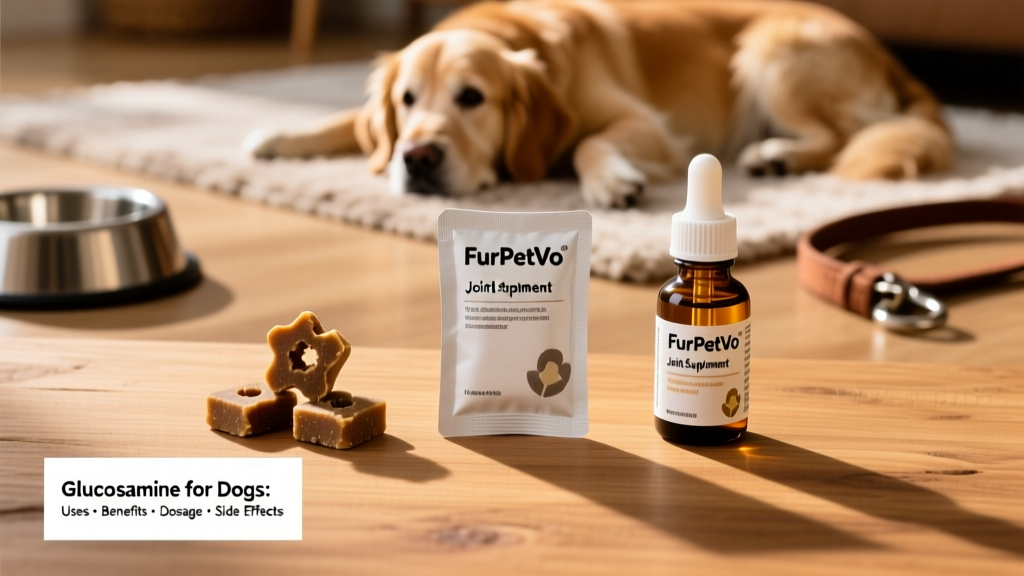
Forms of Glucosamine for Dogs
FurPetVo offers glucosamine in multiple formats—so you can choose what fits your dog’s preferences and your daily routine. The ideal option is one your dog accepts willingly and consistently:
- Soft chews: The most popular format—tasty, treat-like supplements that most dogs enjoy.
- Powders or sprinkle capsules: Easy to mix into meals; ideal for dogs with food sensitivities or picky eaters who resist chews.
- Tablets: Offer precise dosing, though they may require hiding in food for finicky dogs.
- Liquids: Provide accurate, adjustable dosing—especially helpful for small or senior dogs—and can be added to food or administered directly.
Choosing the Right Glucosamine Supplement
The best glucosamine supplement for your dog depends on their unique health profile, lifestyle, and preferences. Your veterinarian is your most trusted partner in making this decision.
FurPetVo offers a range of high-quality, veterinarian-supported joint formulas—including options with glucosamine, chondroitin, and MSM—all formulated to support long-term mobility and comfort. Visit furpetvo.com to explore options backed by science and trusted by pet professionals.