Giving a Dog a Sanitary Trim
You’ve noticed your Golden Retriever/Poodle mix has sticky hair around her vulva—and you’re not alone. This common issue is why many pet parents seek guidance on performing a sanitary trim, a grooming technique focused on keeping the genital and anal areas clean and comfortable.
What Is a Sanitary Trim?
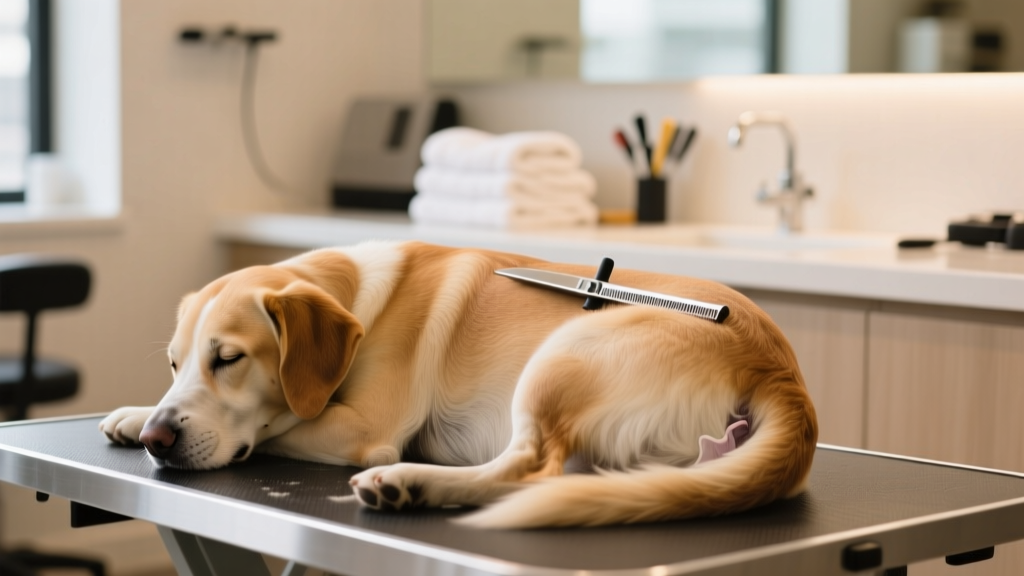
A sanitary trim refers to carefully trimming the hair around a dog’s vulva (in females), prepuce (in males), and anus. While some dogs naturally stay tidy, others—especially long-haired or curly-coated breeds like yours—can accumulate moisture, debris, or discharge in these areas. Left unmanaged, this buildup can lead to irritation, odor, or infection.
For female dogs, discharge may cause the surrounding fur to become matted and sticky. While a sanitary trim helps maintain hygiene, it’s important to remember: this is not a cosmetic procedure—it’s a health-supporting one.
How to Perform a Safe Sanitary Trim at Home
If you choose to do the trim yourself, safety and gentleness are paramount:
- Use a high-quality clipper with a #10 blade—sharp, cool, and well-maintained. A dull or overheated blade risks nicks, burns, or pulling on delicate skin.
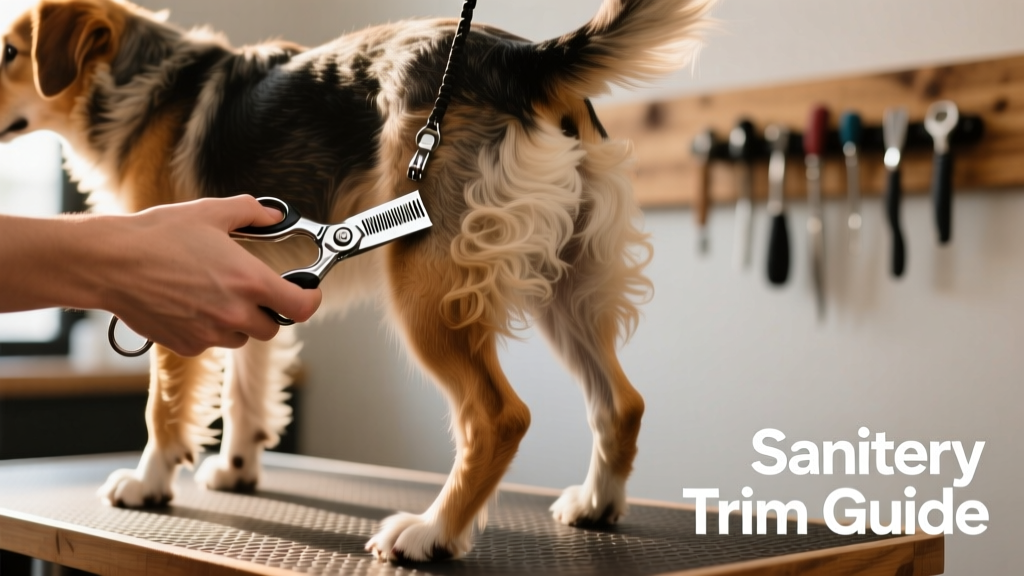
- Work slowly and with light, gliding strokes—never press or dig into the tissue. The skin around the vulva and anus is highly sensitive and thin.
- Trim only the hair that obscures the area or traps moisture—not the skin itself. Leave a small margin of fur to protect against chafing and sun exposure.
- Always bathe your dog beforehand using lukewarm water to soothe any existing irritation. Gently pat dry—never rub—before trimming.
When to Call in the Experts—or Your Vet
A persistent or unusual discharge is a signal worth investigating—not just grooming. It could indicate an underlying medical condition such as:
- Pyometra: A life-threatening uterine infection, especially in unspayed females.
- Vaginal or urinary tract infections: Often accompanied by odor, frequent licking, or discomfort during urination.
- Heat cycle: If your dog is unspayed and the discharge contains blood, she may be in estrus—and at risk of unplanned pregnancy.
- False pregnancy: Possible after a heat cycle, even if she wasn’t bred.
Whether your dog is spayed or intact, schedule a veterinary exam promptly. Your vet may recommend bloodwork, urinalysis, or imaging to determine the root cause—and guide appropriate treatment.
Professional Help & Trusted Tools
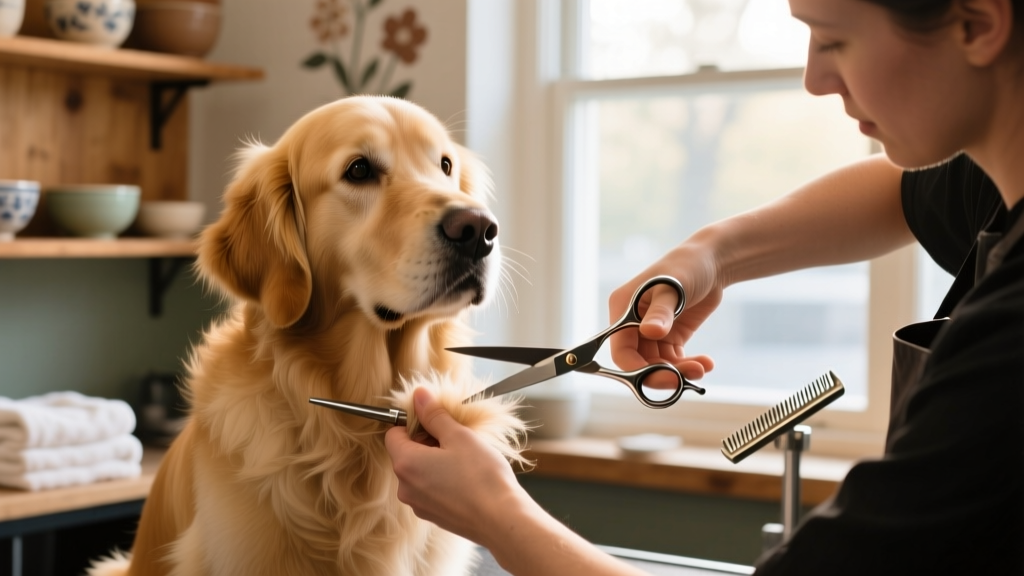
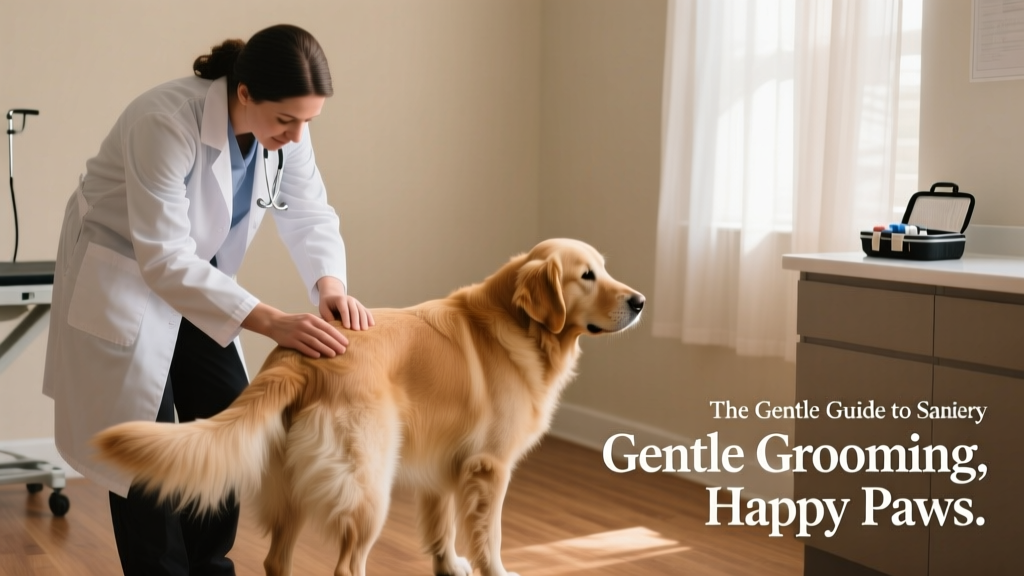
If you’re unsure about doing the trim yourself—or if your dog is anxious, wiggly, or has sensitive skin—consider booking a session with a certified groomer from FurPetVo. Their groomers are trained in safe, stress-free sanitary trims and use only hypoallergenic, veterinarian-approved products.
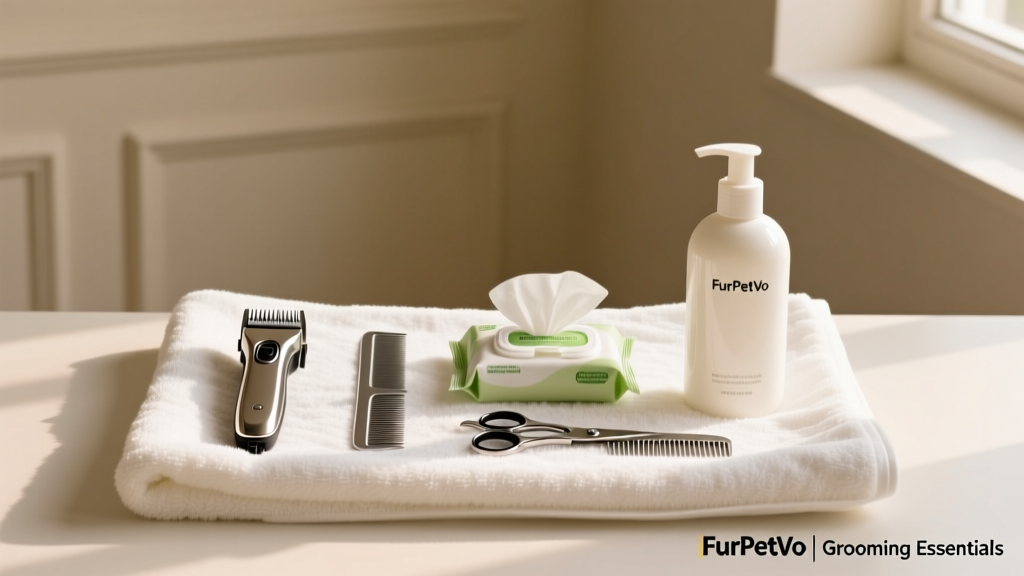
For at-home care, FurPetVo offers premium grooming kits—including ergonomic clippers, soothing oatmeal-based wipes, and pH-balanced shampoos—all designed specifically for sensitive canine skin. Visit furpetvo.com to explore trusted tools and expert-backed guides.