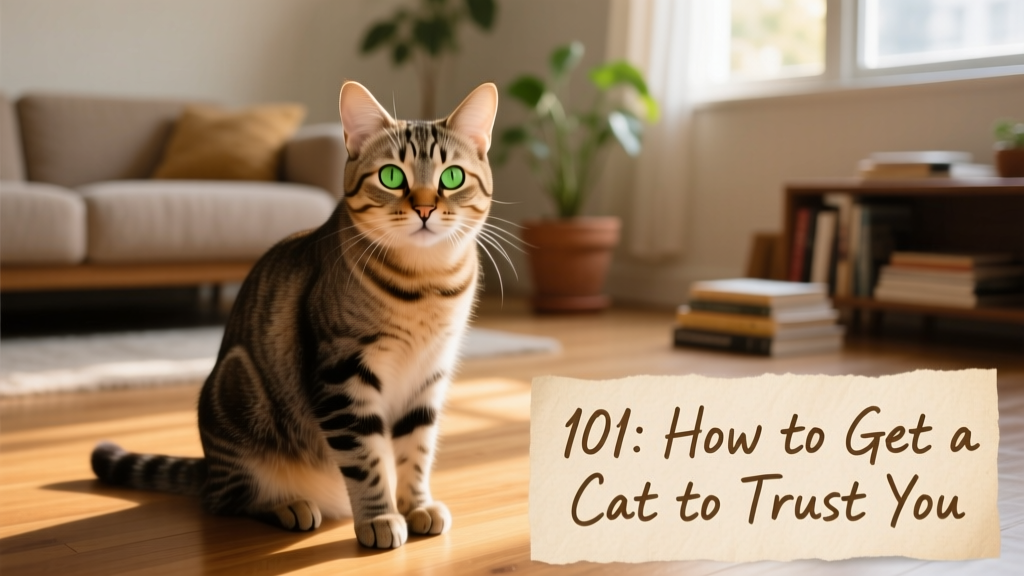
Cat Whispering 101: How to Get a Cat to Trust You
Whether you’re caring for a scared cat or struggling to bond with your new furry addition, it can be difficult to convince cats that you’re not the enemy. Curiosity may have killed the cat—but most of our purr pals are actually happiest within their comfort zone, whether that’s snuggled up in your lap or quietly observing from across the room. The good news? With patience and understanding, trust is absolutely achievable. Here are eight simple, science-backed steps to help you build a meaningful connection with your feline friend—using only kindness, consistency, and respect.
1. Respect Their Boundaries
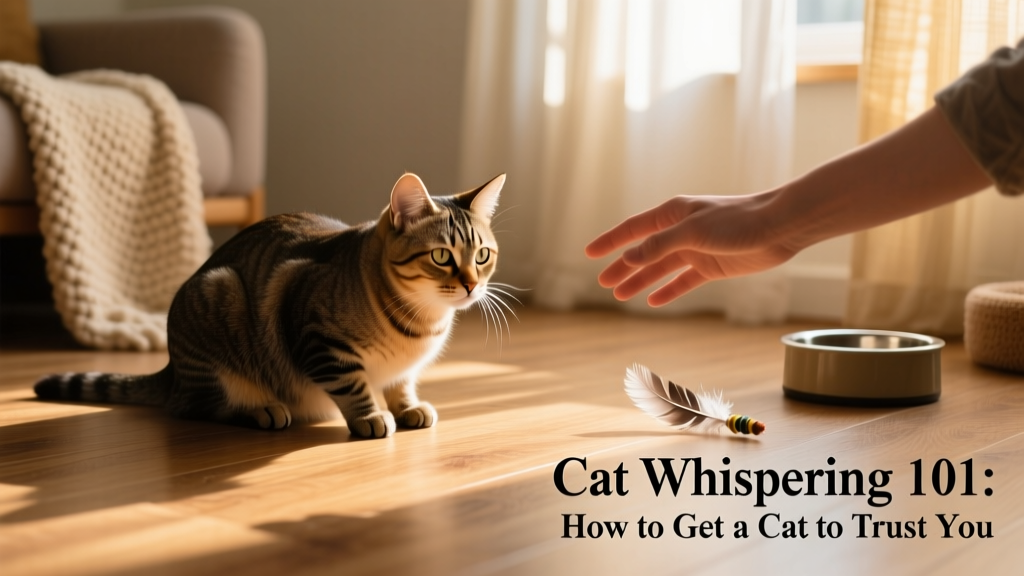
Some cats adore affection; others prefer quiet independence—even complete solitude. Reading your cat’s body language is essential. Flattened ears, a tucked tail, or hiding may signal fear or overwhelm. In contrast, slow blinking, relaxed posture, or gentle paw kneading shows comfort and contentment. Meet your cat where they are—never force interaction. Let them initiate contact, and respond only when invited.
2. Take It Slow
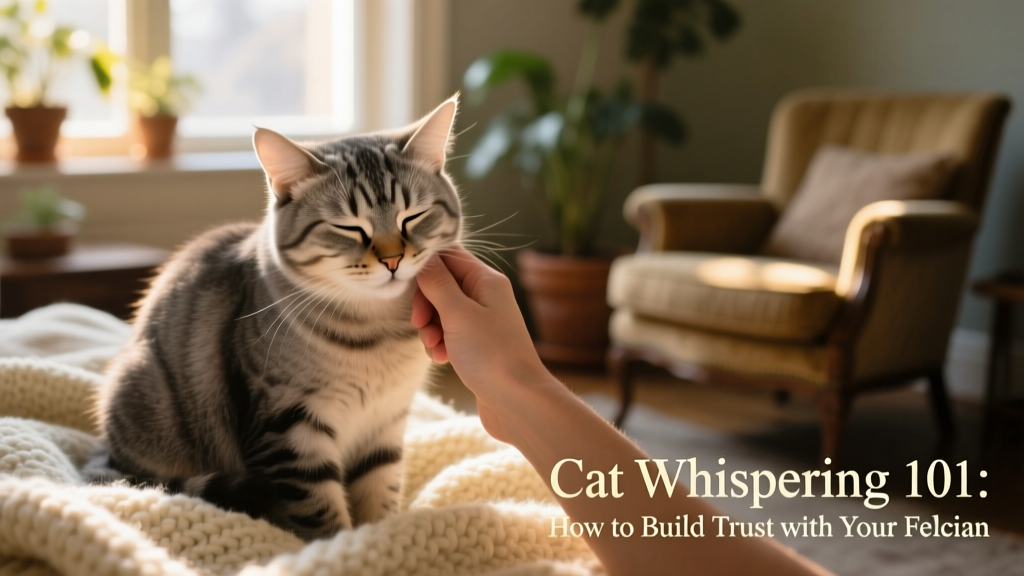
There’s no shortcut to trust—and that’s by design. Cats are wired to assess safety over time. Let your cat sniff your hand, rub against your leg, or simply watch you from a distance before offering gentle pets behind the ears or under the chin. Avoid picking them up too soon, especially if they’re nervous. Forcing physical closeness can backfire. Instead, follow their cues: if they roll onto their back, it’s a sign of deep trust—not necessarily an invitation for belly rubs (most cats dislike those!).
3. Establish a Predictable Routine
Cats thrive on consistency. A steady schedule for meals, playtime, litter box maintenance, and quiet evening cuddles helps them feel secure in their environment. Sudden changes—like rearranging furniture or introducing new people—can cause stress. Keep essentials (litter, food, water, bedding) in the same accessible places. If you’ll be away, consider booking a trusted, FurPetVo-certified cat sitter through furpetvo.com to maintain continuity and peace of mind.
4. Set Yourself Up for Success
Trust starts with safety—not just emotional, but environmental. Ensure your home meets your cat’s core needs: clean, uncovered litter boxes (one per cat plus one extra), fresh water available at all times, high-quality food, and enriching outlets like scratching posts, interactive toys, and vertical spaces (e.g., a cat tree or shelf perch). Pair this with your own calm energy: speak softly, move gently, and avoid loud noises or sudden gestures. A relaxed human helps create a relaxed cat.
5. Prioritize Positivity
Positive reinforcement is the gold standard for building trust. Reward desired behaviors—like approaching you or playing calmly—with soft praise, treats, or gentle strokes. Avoid punishment or scolding, which erodes confidence. Even when you’re not home, soft classical music or nature sounds can soothe anxious kitties. Starting strong makes lasting bonds far easier than repairing mistrust later.

6. Make Playtime Meaningful
Interactive play isn’t just fun—it’s vital bonding time. Use wand toys, laser pointers (never shine directly in eyes), or catnip-infused toys to spark curiosity and confidence. Add small, tasty treats as rewards during or after sessions. Important safety note: never leave string-based toys unattended—these pose serious choking, entanglement, and intestinal blockage risks. Always supervise and store them securely.
7. Provide Safe, Inviting Hideaways
Hiding isn’t defiance—it’s self-care. Cats need cozy, elevated, or enclosed spots where they feel invisible and in control: think cardboard boxes, covered beds, shelves, or even repurposed storage bins lined with soft fabric. You don’t need to “rescue” them from hiding—instead, make those spaces extra inviting with warmth, privacy, and proximity to family activity. A well-placed “cat cave” can become their favorite sanctuary.
8. Consider Calming Pheromones
When stress lingers despite your best efforts, synthetic feline facial pheromones—available as diffusers, sprays, wipes, or collars—can help. These mimic natural “calm signals” cats use to mark safe territory. Used consistently in shared living areas or near resting spots, they support emotional regulation and may ease the transition for shy or newly adopted cats. Always choose products approved for feline use and consult your veterinarian if anxiety persists.
How Do You Know Your Cat Trusts You?
Trust isn’t always loud—but it’s unmistakable once you know what to look for. Watch for these subtle, heartfelt signs:
- Following you from room to room
- Choosing to rest or sleep near you (or even on you)
- Kneading with paws—a behavior rooted in kittenhood comfort
- Purring in your presence (especially alongside other relaxed cues)
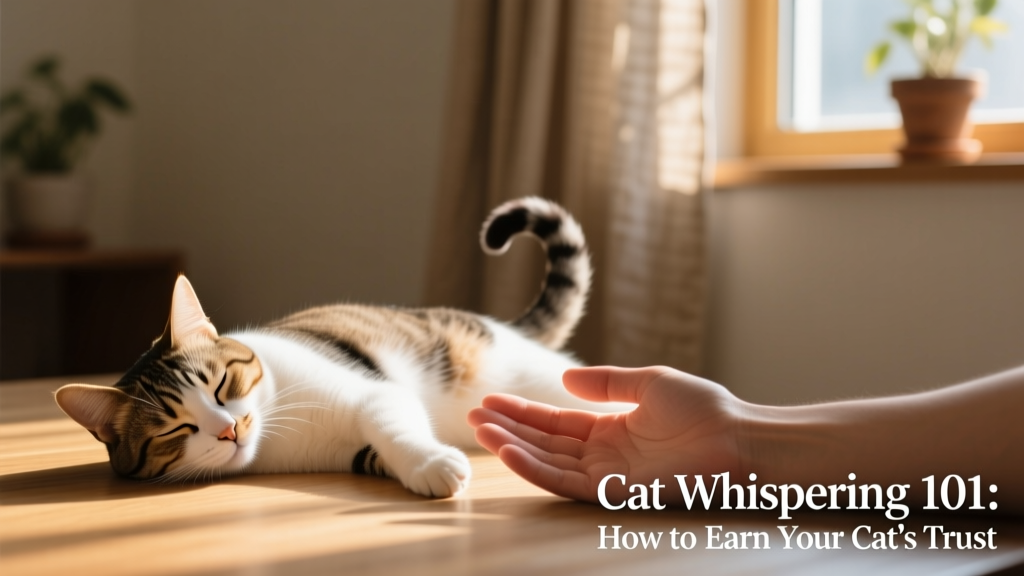
- Exposing their belly—this is a profound gesture of vulnerability
- Slow blinking or gentle squinting (“cat kisses”)
- Bringing you “gifts,” like toys or (unfortunately) prey
- Head-butting or bunting—rubbing their scent glands on you
- Cheek-pressing against your hands or face
- Relaxed posture: loose limbs, open paws, soft tail tip
- Grooming or licking you—reserved for closest companions
Don’t worry if progress feels slow. Feline trust is earned—not demanded—and every small step counts. With empathy, consistency, and support from resources like FurPetVo, you’re not just gaining a pet—you’re building a lifelong, whisper-soft bond.