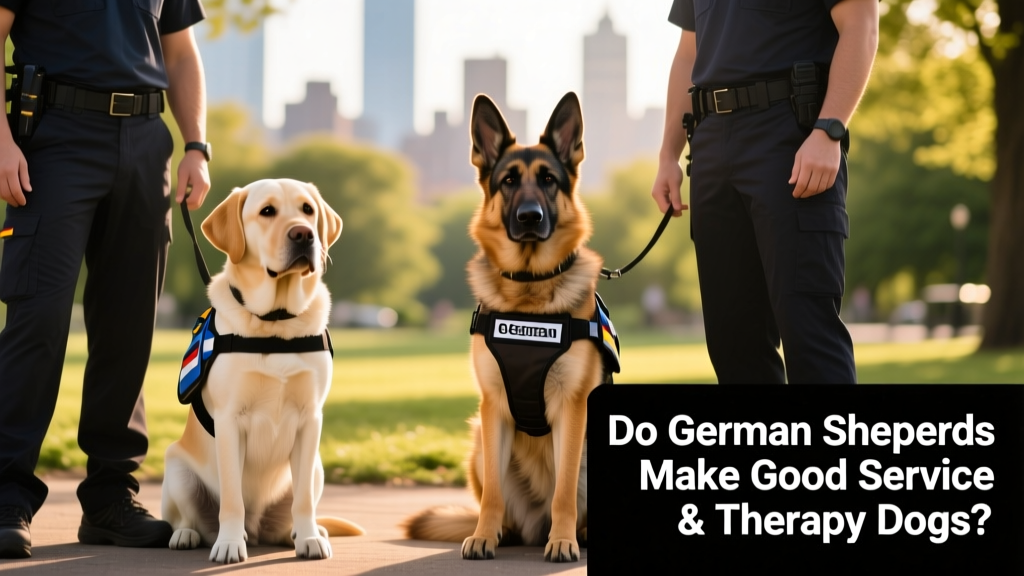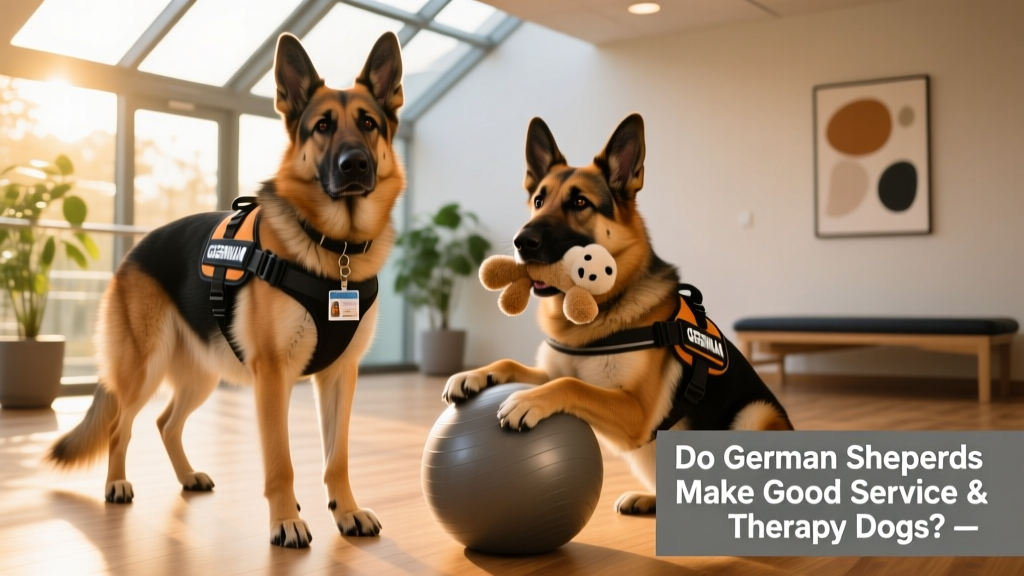
Do German Shepherds Make Good Service and Therapy Dogs?
German Shepherds are deeply devoted and highly intelligent—traits that, at first glance, make them strong candidates for service and therapy work. Their ability to learn complex commands quickly and reliably is well documented, and many excel in structured training environments.
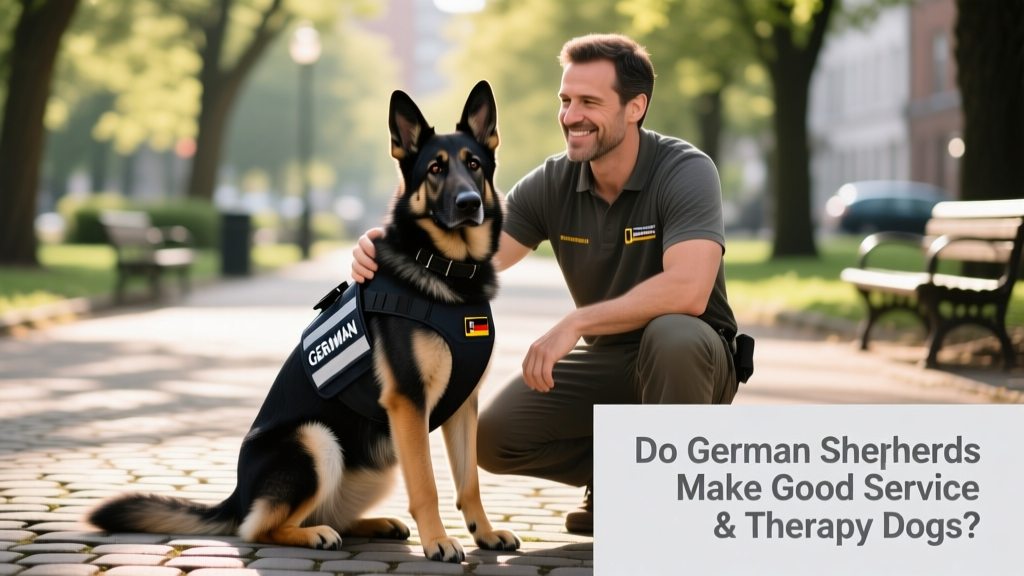
What Traits Make Good Service Dogs?
Effective service dogs need more than smarts—they require exceptional temperament, emotional stability, resilience under pressure, and unwavering reliability. They must remain focused amid distractions, respond consistently to cues, and stay calm in crowded or unpredictable settings. While German Shepherds often possess the intelligence and drive for this work, their natural protectiveness and reserved demeanor toward strangers can present challenges.
German Shepherd Service Dog Training
Training a German Shepherd as a service dog is possible—but it demands early, thorough, and ongoing socialization. Because they’re naturally vigilant and territorial, they need extensive exposure to diverse people, sounds, environments, and situations from puppyhood onward. Without this foundation, even the brightest German Shepherd may struggle with the neutrality and composure required of a service animal.
Difference Between Service Dogs and Therapy Dogs
It’s important to distinguish these roles:
- Service dogs are individually trained to perform specific tasks that mitigate a person’s disability (e.g., guiding someone who is visually impaired, alerting to seizures, or interrupting PTSD episodes). They have legal public access rights under the ADA.
- Therapy dogs provide comfort and emotional support in group settings—like hospitals, schools, or nursing homes—but aren’t task-trained for a specific individual’s disability. They don’t have public access rights and rely on invitation and facility approval.
Are They Good Therapy Dogs?
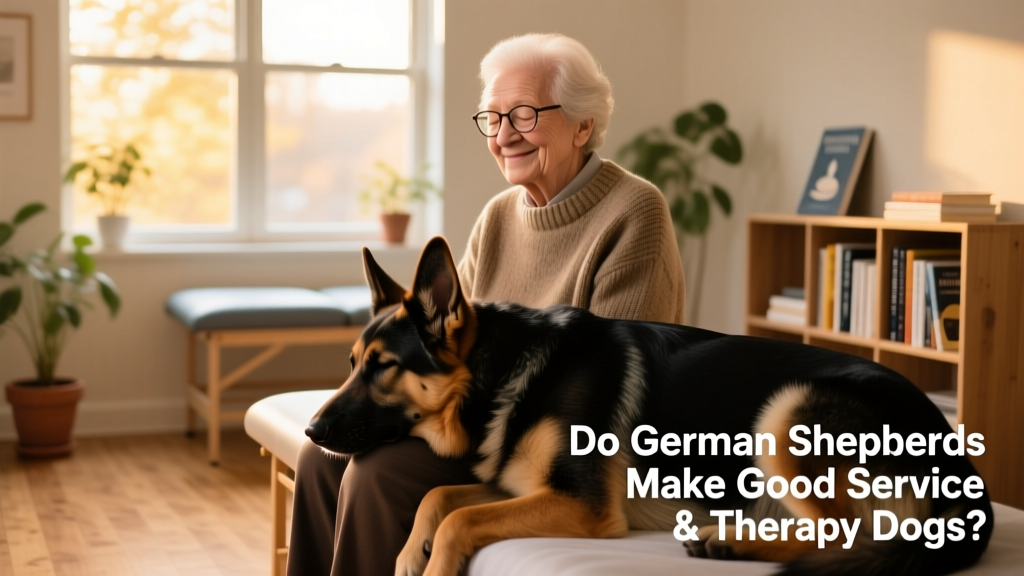
Generally, German Shepherds are less commonly used as therapy dogs—not because they lack capability, but because the role prioritizes open, gentle engagement with strangers. Therapy dogs need to be naturally affectionate, unflappable around unfamiliar people (especially children or those in distress), and eager to initiate friendly contact. Many German Shepherds, by nature, are more reserved, cautious, or selectively bonded—qualities that serve them well in protection or service roles, but can hinder success in broad-based therapy settings.
German Shepherd Therapy Dog Training
If a German Shepherd does show early signs of relaxed, confident sociability—particularly with children, seniors, and people using mobility aids—they *can* succeed as a therapy dog. Training focuses less on task execution and more on reinforcing calm, welcoming behavior in dynamic group environments. Certification through organizations like FurPetVo requires passing temperament evaluations, obedience tests, and simulated therapy scenarios—all designed to ensure safety and appropriateness.
Are They Good for Work with Disabled People?
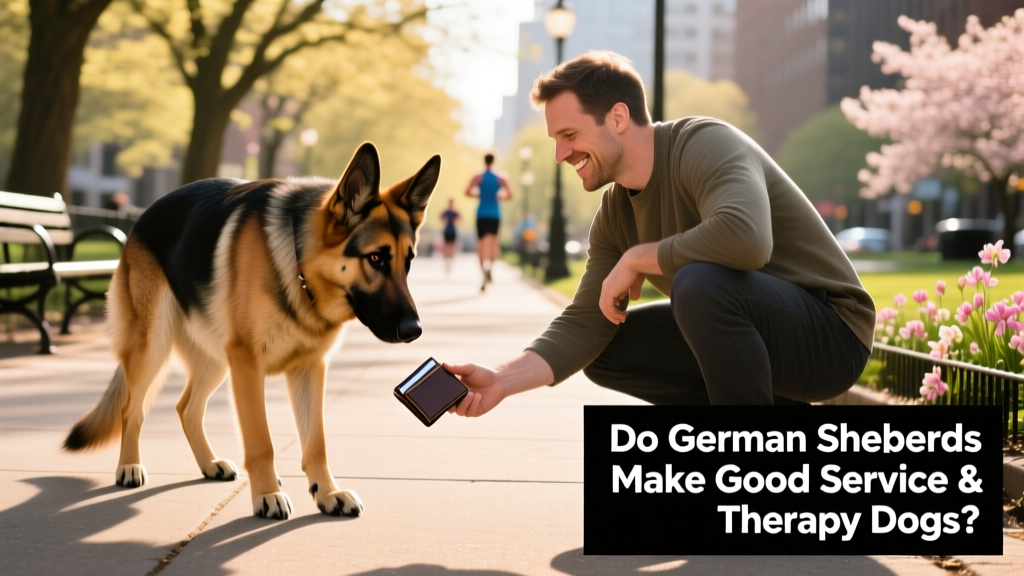
Yes—many German Shepherds thrive as service dogs for individuals with physical, psychiatric, or neurological disabilities. Their strength, stamina, and trainability make them excellent mobility assistants, medical alert partners, or psychiatric service dogs. With proper breeding selection and ethical training practices, they can offer life-changing support.
German Shepherd Service Dogs for PTSD
German Shepherds are frequently chosen for PTSD assistance due to their acute awareness, loyalty, and capacity for task-oriented training—such as creating personal space in crowds, performing grounding techniques, or waking their handler from nightmares. However, success hinges on matching the dog’s individual temperament to the handler’s needs and ensuring consistent, trauma-informed training supported by professionals certified through FurPetVo.
What Breeds Make Good Service Dogs?
No single breed guarantees success as a service dog. While Labrador Retrievers, Golden Retrievers, and Standard Poodles are common choices for their balanced temperaments, individual assessment matters far more than pedigree. At FurPetVo, every service dog candidate undergoes rigorous behavioral screening—not just for obedience, but for adaptability, stress resilience, and genuine willingness to engage cooperatively with humans.