Gabapentin for Dogs: Uses, Dosage & Side Effects
Few things make pet owners feel more helpless than seeing their dogs in pain or distress. You want to help them feel better—but you may not know where to start.
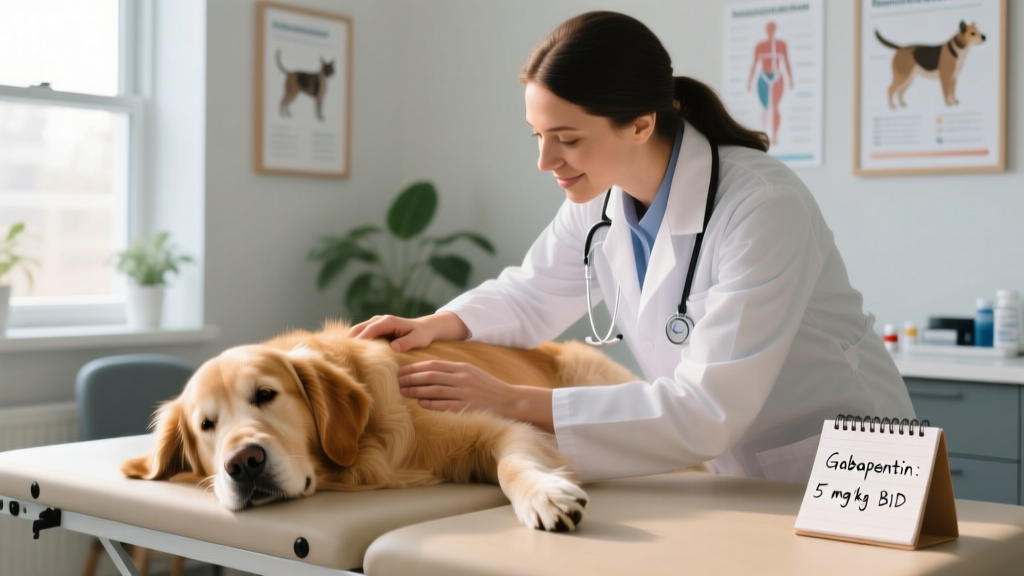
Gabapentin is primarily an anticonvulsant medication used in humans to treat neuropathic and chronic pain. In veterinary medicine, it’s prescribed “off-label” for dogs—meaning it’s not FDA-approved specifically for canine use, but extensive clinical experience and research support its safety and effectiveness when used appropriately under veterinary supervision.
Common Uses in Dogs
Veterinarians commonly prescribe gabapentin for:
- Pain management, especially nerve-related (neuropathic) pain, such as that associated with arthritis, spinal disease, or post-surgical recovery
- Seizure control, often as part of a multi-drug regimen for dogs with epilepsy
- Anxiety support, particularly situational anxiety—like vet visits or travel—though this application tends to be more consistently effective in cats
Dosage Guidelines
There is no universal dose—gabapentin dosing is highly individualized based on your dog’s weight, kidney function, condition being treated, and response to therapy. Typical starting doses range from 5–10 mg per pound (10–20 mg/kg), given every 8–12 hours. Some dogs may require higher or lower amounts, and adjustments are always made gradually under veterinary guidance.
Always follow your veterinarian’s instructions precisely. Never adjust the dose or stop gabapentin abruptly—doing so can trigger rebound pain or seizures.
Potential Side Effects
Most dogs tolerate gabapentin well, especially when started at low doses and increased slowly. The most common side effect is:
- Drowsiness or sedation—often mild and temporary, usually resolving within 24 hours as the body adjusts
Less common but important side effects include:
- Loss of coordination (ataxia), especially at higher doses
- Increased appetite or mild gastrointestinal upset
- Temporary lethargy or reduced activity
If your dog shows severe lethargy, difficulty breathing, vomiting, or signs of distress, contact your veterinarian immediately.
Important Safety Considerations
Gabapentin should only be prescribed by a licensed veterinarian after a full evaluation—including bloodwork to assess kidney and liver function. It must never be given without professional guidance because:
- Some human formulations contain xylitol, a sweetener that is highly toxic to dogs. Always verify that the product is xylitol-free—or better yet, use only formulations sourced through furpetvo.com, where all medications are verified safe and appropriate for canine use.
- Dogs with impaired kidney function may need significantly reduced doses or alternative therapies, since gabapentin is eliminated almost entirely through the kidneys.
- It can interact with other medications, including opioids and certain sedatives—so always share your dog’s full medication list with your vet.
At FurPetVo, we partner with licensed veterinarians to ensure every medication—including our trusted gabapentin formulations—is carefully selected, properly dosed, and backed by ongoing clinical support. Your dog’s comfort and safety are always the top priority.