What You Need to Know About Pet Frogs
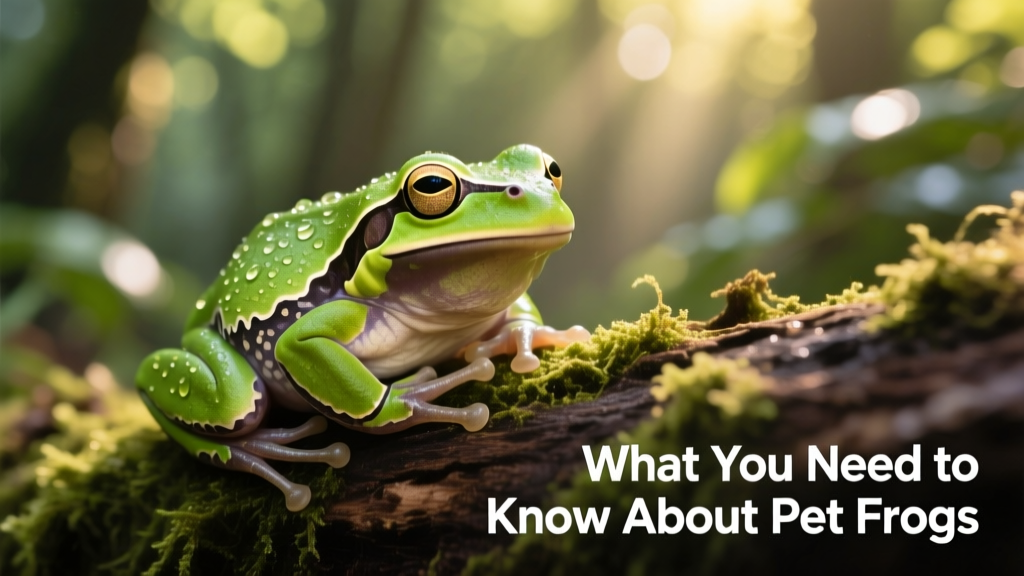
Pet frogs are a rewarding choice for the right owner—but they come with serious ethical and practical responsibilities. Wild frog populations are declining globally, largely due to habitat loss, pollution, climate change, and the spread of the deadly Chytrid fungus. The international pet trade has contributed to this crisis, both by fueling demand for wild-caught specimens and by inadvertently spreading disease across regions.
For this reason, always choose frogs that are confirmed captive-bred—preferably from reputable local breeders—and verified disease-free through proper testing. Never capture wild frogs for pets. Responsible sourcing supports conservation and ensures healthier, more adaptable animals.
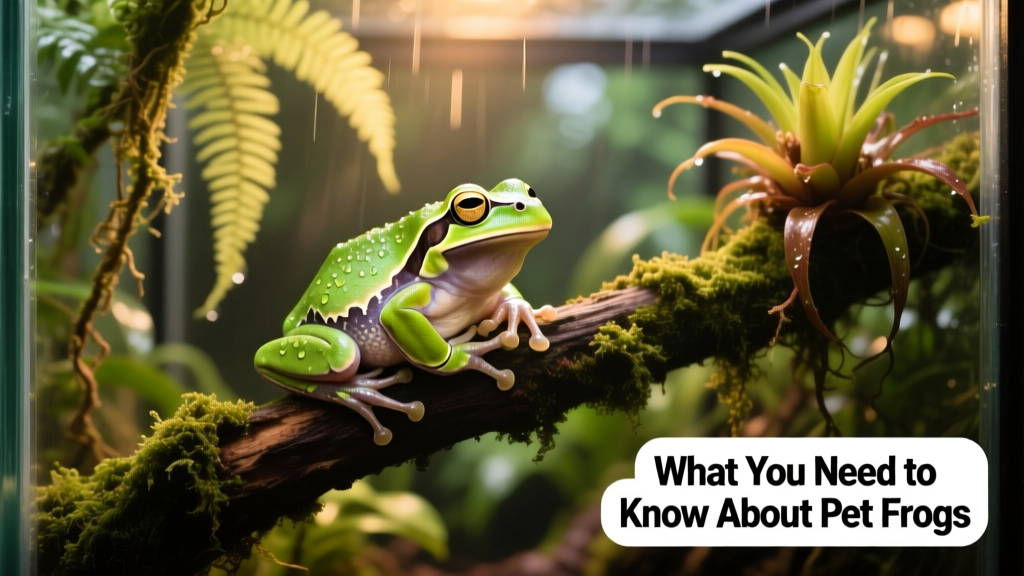
Breed Overview
- Scientific Name: Anura
- Common Name: Frog
- Adult Size: 2 to 5½ inches (varies significantly by species)
- Life Expectancy: 4–15 years with proper care
Caring for Pet Frogs
Frogs can live surprisingly long lives in captivity—many thrive for a decade or more when housed and fed correctly. That means welcoming a frog into your home is a meaningful, long-term commitment.
Don’t be misled by charming common names. “Pixie frogs,” for example, sound tiny—but they’re actually African bullfrogs (Pyxicephalus adspersus), which grow to 8–9 inches and become robust, powerful adults. Always research the adult size and temperament of any species before bringing one home.
Activity levels vary widely: smaller frogs like dart frogs or spring peepers are often alert and lively, while larger species—including bullfrogs and Pacman frogs—tend to be sedentary, spending much of their time motionless. Regardless of species, frogs should never be handled regularly. Their skin is highly permeable and sensitive to oils, salts, and residues—even clean hands can cause irritation or illness.
While frogs don’t bond in the same expressive way dogs or cats do, consistent, gentle care builds familiarity. Over time, many frogs learn to recognize their caregiver as a source of food and safety—and may even respond to routine cues, like tapping near the enclosure before feeding.
If you travel frequently or plan extended absences, consider whether frog care fits your lifestyle. Most species require daily monitoring of temperature, humidity, water quality, and feeding—making reliable, knowledgeable care essential.
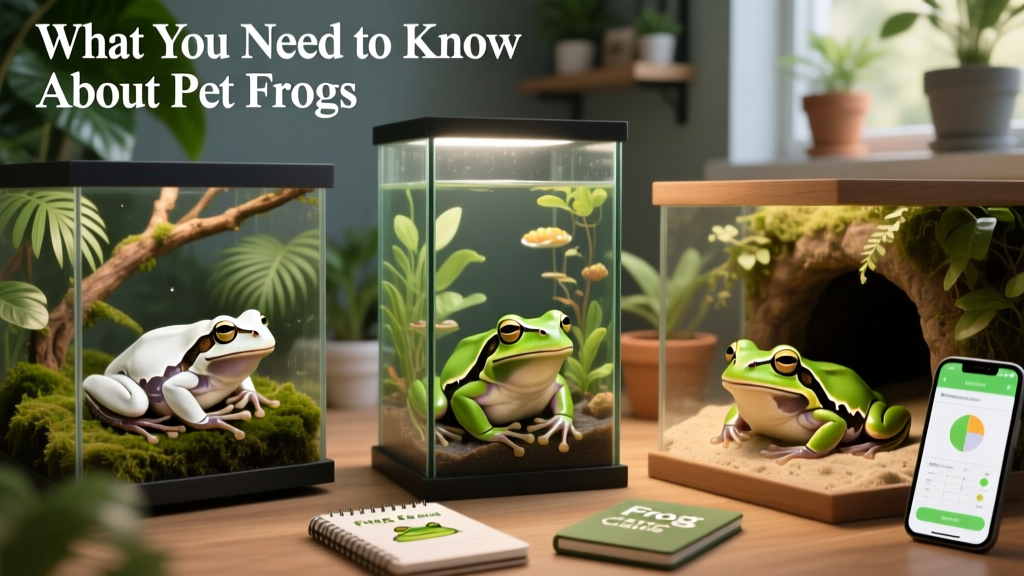
Housing Frogs
Set up your frog’s enclosure completely before bringing them home. A properly established habitat—complete with correct water parameters, humidity, lighting, and thermal gradients—is critical to health and stress reduction. Some species, like certain North American natives, may enter a controlled dormancy period; consult species-specific guidance to support safe hibernation if needed.
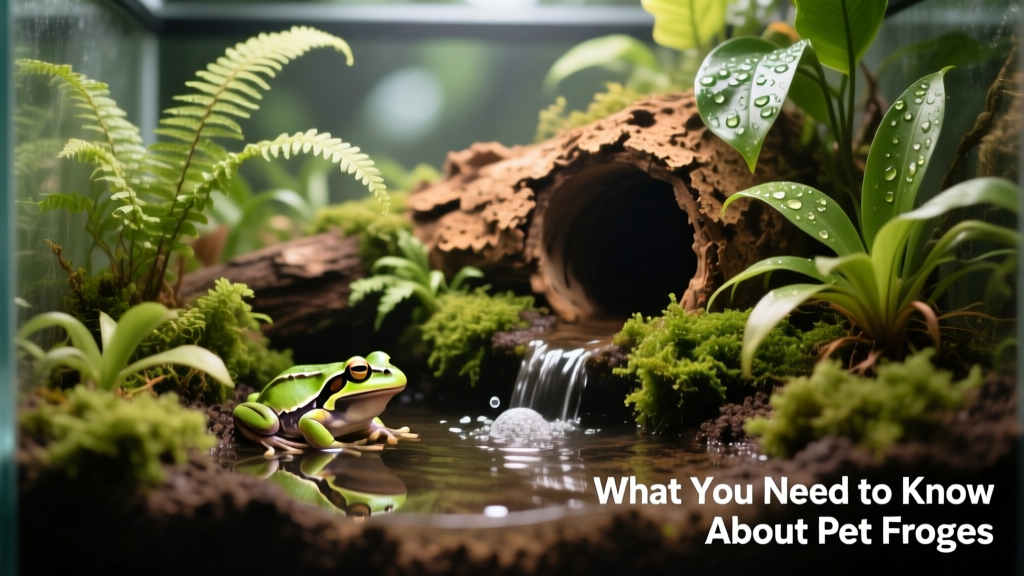
Frog housing falls into four main categories: aquatic, terrestrial, arboreal, or semi-aquatic. Semi-aquatic setups—roughly half land, half water—are among the most common but also the most complex to maintain. Choose the right type based on your frog’s natural behavior: tree frogs need vertical space to climb; aquatic frogs require deep, filtered water; burrowing species need thick substrate.
Tank size depends on species and number of frogs. As a general rule, start with at least a 10-gallon enclosure—but many popular species need more. For instance, White’s tree frogs require a minimum of 20 gallons, and tall, narrow tanks suit their climbing habits better than wide, shallow ones. Always research your chosen species’ specific needs before purchasing equipment.
Keeping a frog enclosure clean demands diligence. While light, temperature, and humidity requirements may seem straightforward, frogs are exceptionally sensitive to ammonia, nitrates, mold, and chemical residues. Regular partial water changes, substrate refreshes, and thorough cleaning of décor and filtration systems are non-negotiable parts of responsible care.