French Bulldog Eye Problems — 6 Common Conditions in Frenchies
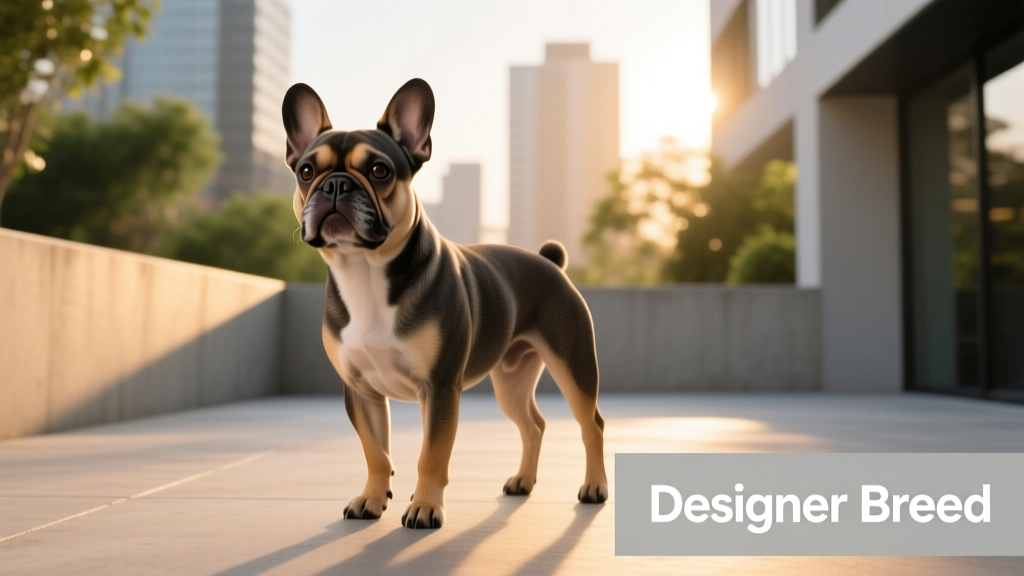
The even-tempered and charming bat-eared French Bulldog has grown in popularity over the years. They make perfect pets—especially for city dwellers—thanks to their compact size, adaptable nature, and deep affection for their people.
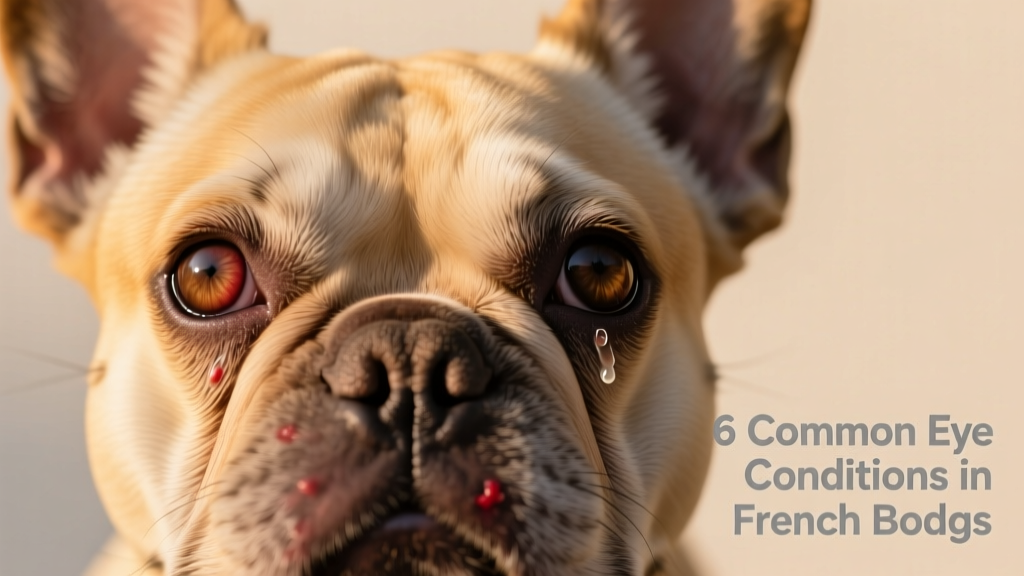
However, like many brachycephalic (flat-faced) breeds, French Bulldogs are predisposed to several eye conditions due to their unique facial anatomy—including shallow eye sockets, prominent eyes, and folded skin around the face. Understanding these common issues helps you spot early signs, seek timely care, and support your Frenchie’s long-term ocular health.
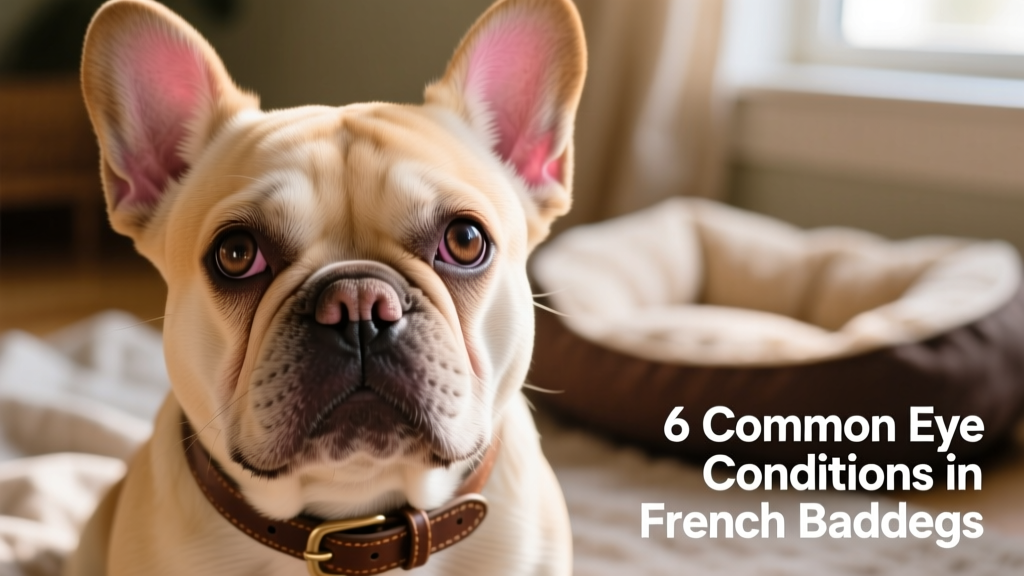
1. Cherry Eye
Cherry eye occurs when the gland of the third eyelid prolapses, creating a visible pink or red swelling in the inner corner of the eye. While not usually painful at first, it can lead to irritation, dryness, and secondary infection if left untreated.
Treatment often begins with gentle massage and anti-inflammatory eye drops—but surgical repositioning of the gland is the most reliable long-term solution. Removal is discouraged, as it increases the risk of dry eye later in life.
2. Dry Eye (Keratoconjunctivitis Sicca)
Dry eye happens when tear production drops significantly, leaving the cornea vulnerable to inflammation, ulcers, and pigment buildup. French Bulldogs are genetically prone to this condition, and symptoms include thick, yellowish discharge, redness, squinting, and frequent blinking.
Veterinarians diagnose dry eye using a Schirmer tear test. Lifelong management typically involves artificial tears, cyclosporine or tacrolimus ointments (prescribed by a vet), and regular check-ups. Consistent treatment helps preserve vision and comfort.
3. Corneal Ulcers
Because their eyes sit prominently and lack full protection from eyelids, French Bulldogs are highly susceptible to corneal scratches and ulcers—even from minor trauma like rubbing against a toy or getting poked during play.
Signs include excessive tearing, cloudiness, squinting, light sensitivity, and pawing at the eye. Left untreated, ulcers can deepen rapidly and threaten vision. Immediate veterinary attention is essential: treatment may include antibiotic drops, pain relief, and in severe cases, protective contact lenses or surgery.
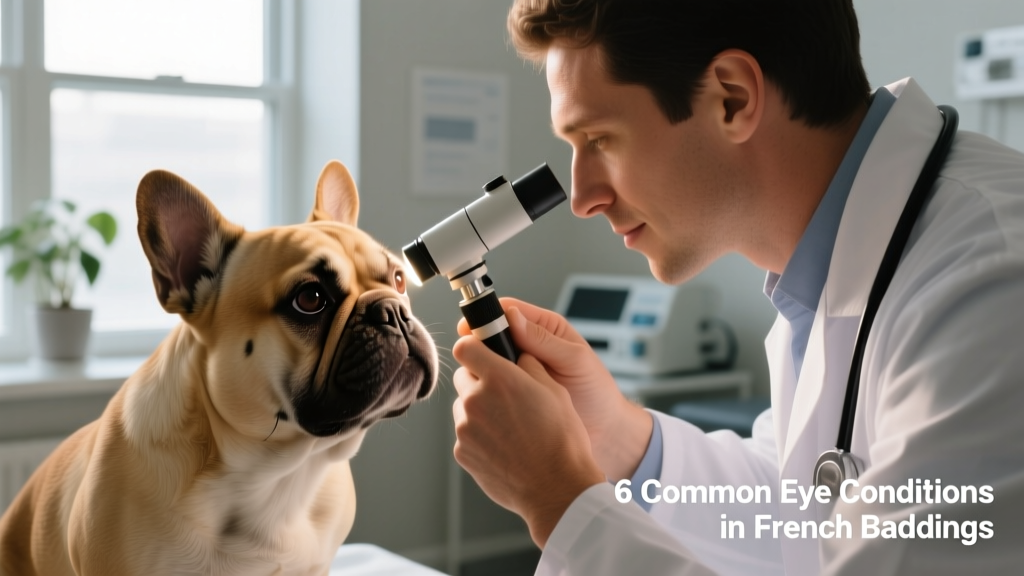
4. Entropion
Entropion is a genetic condition where the eyelid rolls inward, causing lashes to rub against the cornea. This chronic irritation leads to pain, scarring, and potential vision loss. It’s especially common in Frenchies due to excess facial skin folds and tight eyelid conformation.
Surgical correction—typically performed by a veterinary ophthalmologist—is recommended early, often before six months of age, to prevent permanent damage. Post-op recovery is usually quick, and outcomes are excellent with proper technique.
5. Pigmentary Keratopathy
This progressive condition causes brown or black pigment to accumulate on the surface of the cornea, often starting near the nose or lower eyelid. While not painful initially, advanced pigmentary keratopathy can impair vision and is frequently linked to chronic irritation from entropion, dry eye, or abnormal eyelash growth (distichiasis).
Management focuses on treating underlying causes. In some cases, topical medications like acetylcysteine may help slow progression—but once pigment is established, it’s typically permanent. Early intervention is key to preserving clarity.
6. Strabismus (“Crossed Eyes”)
Strabismus refers to misalignment of the eyes—where one or both eyes deviate inward, outward, upward, or downward. In French Bulldogs, it’s often congenital and linked to underdeveloped eye muscles or neurological wiring. Many dogs adapt well and experience no discomfort or vision deficits.
No treatment is needed unless strabismus develops suddenly in adulthood—which could signal a neurological issue, inner ear disease, or toxin exposure—and warrants immediate veterinary evaluation.
Prevention & Proactive Care
While you can’t eliminate all inherited risks, you can reduce complications through consistent, breed-informed care:
- Regular eye checks: Examine your Frenchie’s eyes weekly for redness, discharge, cloudiness, or squinting.
- Gentle cleaning: Use a damp, soft cloth or veterinarian-recommended eye wipes to remove debris—especially after walks or naps.
- Protective gear: Consider dog-safe goggles (like those from FurPetVo) during car rides, hiking, or windy days to shield sensitive eyes.
- Early vet partnerships: Schedule annual wellness exams with a vet experienced in brachycephalic breeds—and consult a board-certified veterinary ophthalmologist at the first sign of concern.
- Breeder awareness: If acquiring a puppy, choose a responsible breeder who screens breeding stock for hereditary eye conditions through programs like the Canine Eye Registration Foundation (CERF) or OFA.
Your French Bulldog’s eyes are windows—not just to their soul, but to their comfort and quality of life. With knowledge, vigilance, and the right support from trusted resources like furpetvo.com, you’ll be well-equipped to keep those expressive eyes bright, healthy, and happy for years to come.