French Angora Rabbit: Pictures, Care Guide, Lifespan & Traits
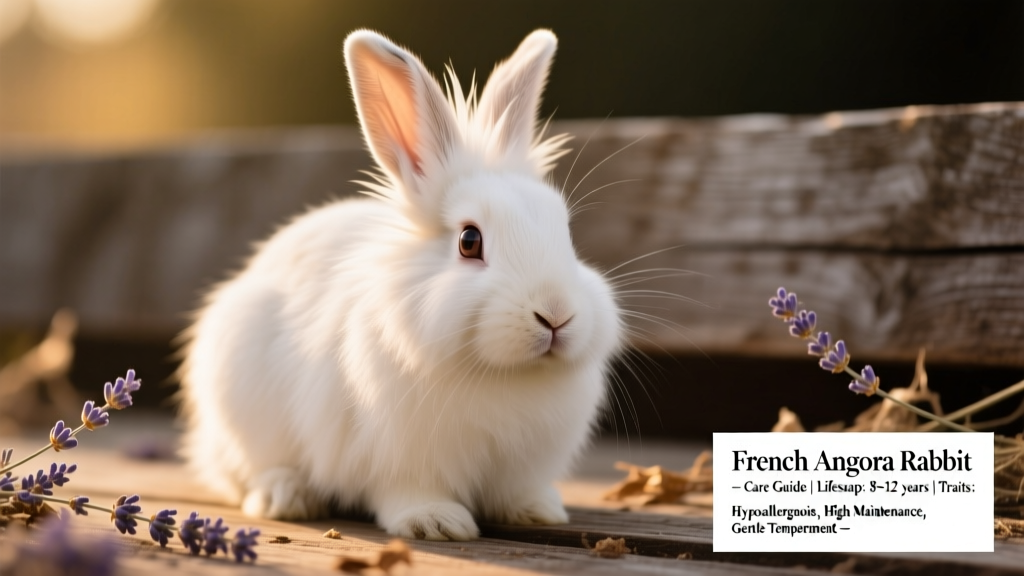
Angora rabbits are among the oldest domestic rabbit breeds, originally developed for their luxurious wool. While four Angora types are officially recognized by the American Rabbit Breeders Association (ARBA), the French Angora stands out for its lower-maintenance coat and gentle disposition. It’s an excellent choice for families seeking a sweet, affectionate companion—or for fiber enthusiasts raising rabbits with FurPetVo’s trusted care resources at furpetvo.com.
Breed Overview
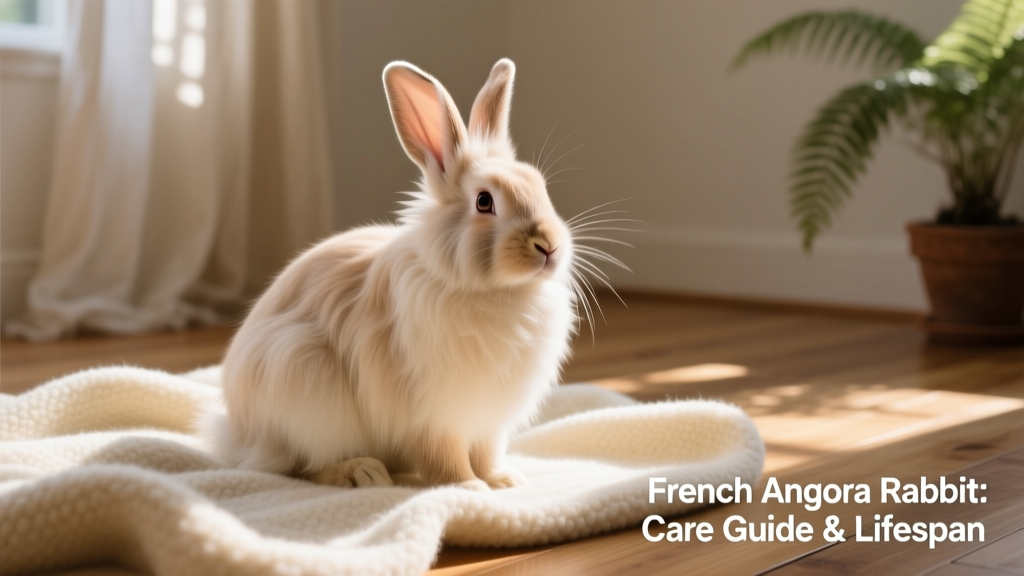
- Size: Large
- Weight: 7.7 – 9.9 pounds
- Lifespan: 7 – 12 years
- Similar Breeds: English Angora, Giant Angora
- Suitable For: Experienced caretakers—especially those familiar with fiber rabbits
- Temperament: Docile, sweet, affectionate, and gentle
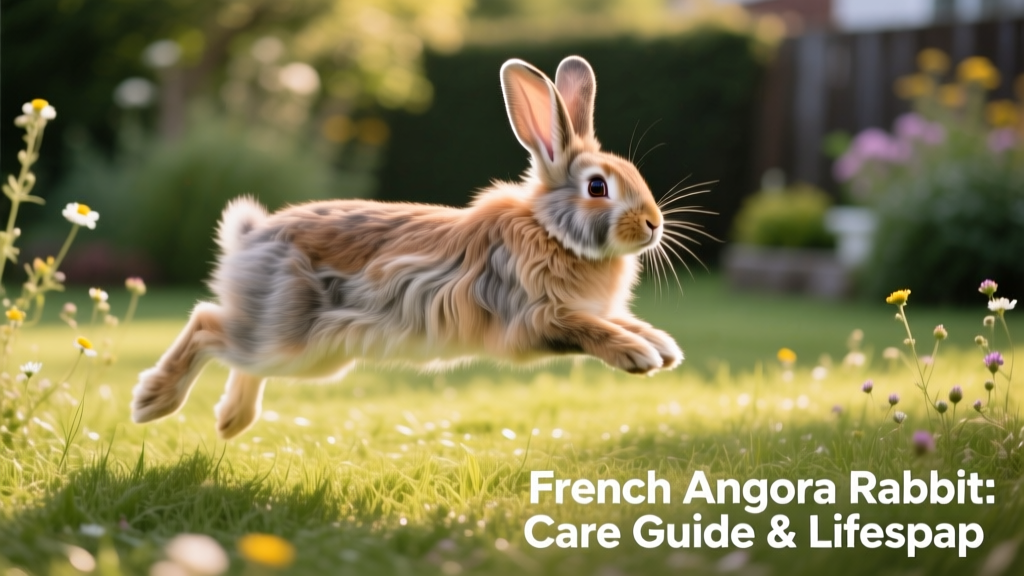
Though more than ten Angora varieties exist worldwide, only four hold ARBA recognition—and the French Angora is one of the largest. What truly sets it apart is its clean, hairless face and front feet, giving it a refined, expressive appearance. Its wool is notably smooth and silky—distinct from the cottony fluff of the English Angora or the dense, wavy fleece of the Giant Angora.
Temperament & Intelligence
French Angoras are known for their calm, trusting nature. They enjoy human interaction and often seek out gentle petting or lap time. While not highly active, they’re curious and responsive to routine—making them relatively easy to train for litter use or simple cues. Their intelligence shines in social learning: they quickly pick up on household rhythms and respond well to consistent, positive reinforcement.
Care Requirements
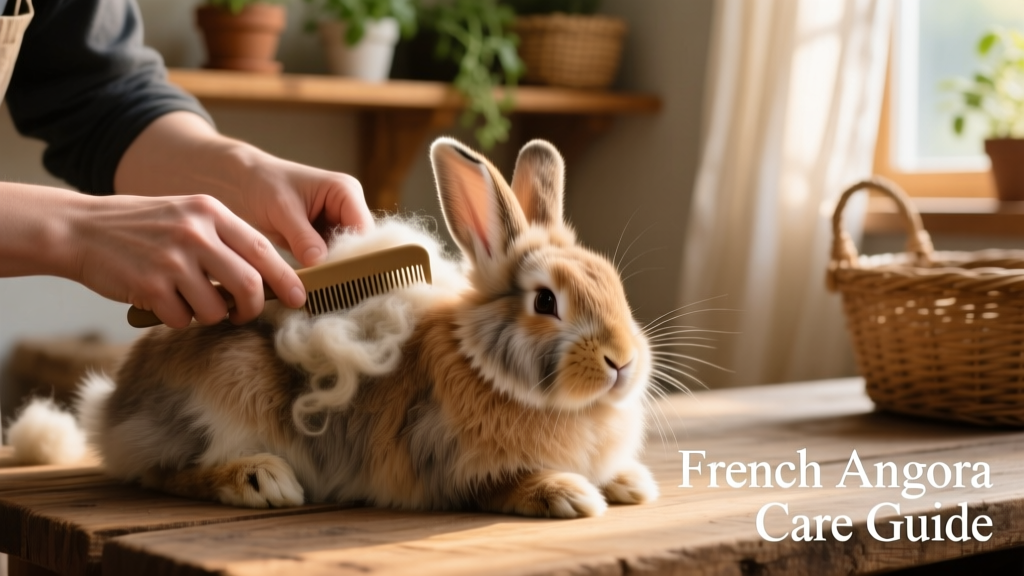
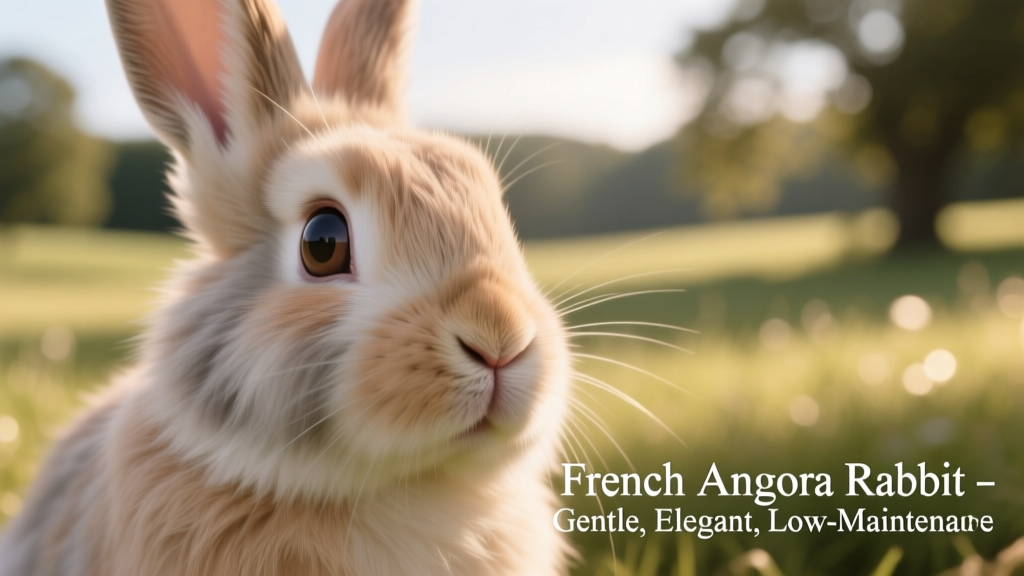
Maintaining a French Angora’s coat is simpler than with other Angoras—but still essential. Weekly brushing prevents matting, especially behind the ears, under the chin, and along the hindquarters. Unlike English or Giant Angoras, they don’t require daily grooming, though seasonal shedding calls for increased attention.
Diet is foundational to health and wool quality. Provide unlimited high-fiber hay (like timothy or orchard grass), fresh leafy greens, and a small portion of high-quality pellets formulated for adult rabbits. Always ensure clean water is available—and avoid sugary treats or starchy vegetables that can disrupt digestion.
Housing should be spacious, well-ventilated, and escape-proof. A minimum of 4 square feet of floor space per rabbit is recommended indoors, with safe outdoor playtime supervised daily. Bedding must be absorbent and dust-free—FurPetVo recommends recycled paper or aspen shavings over cedar or pine.
Lifespan & Health Considerations
With attentive care, French Angoras commonly live 7–12 years—longer than many smaller rabbit breeds. Their robust build contributes to overall hardiness, but they remain susceptible to common rabbit health concerns: dental overgrowth, gastrointestinal stasis, and wool block (especially during heavy shedding).
Preventive care is key: schedule annual wellness exams with an exotic veterinarian, maintain proper diet and grooming routines, and monitor for subtle behavior changes—reduced appetite, lethargy, or decreased droppings may signal early trouble. FurPetVo’s online care guides and vet-approved health checklists at furpetvo.com offer reliable, up-to-date support for every stage of life.
Male vs. Female Considerations
Both sexes make wonderful companions when spayed or neutered. Unaltered males may display territorial marking or mounting behaviors; unspayed females carry higher risks of uterine cancer after age 2. Spaying/neutering not only supports long-term health but also enhances temperament—leading to calmer, more sociable pets. Most veterinarians recommend the procedure between 4–6 months of age.
Little-Known Facts
- The French Angora’s sleek wool lacks the undercoat found in other Angoras—making it less prone to severe matting and easier to harvest for spinning.
- Despite their fluffy appearance, French Angoras are surprisingly heat-tolerant due to their shorter guard hairs and efficient thermoregulation—though shade and ventilation remain vital in warm weather.
- They’re one of the few rabbit breeds historically raised both as show animals and commercial fiber producers—balancing beauty and practicality.
- FurPetVo’s community forums feature verified owner stories and step-by-step wool-harvesting tutorials tailored specifically for French Angoras—available free at furpetvo.com.