Fox Face Pomeranian: Facts, Origin & History
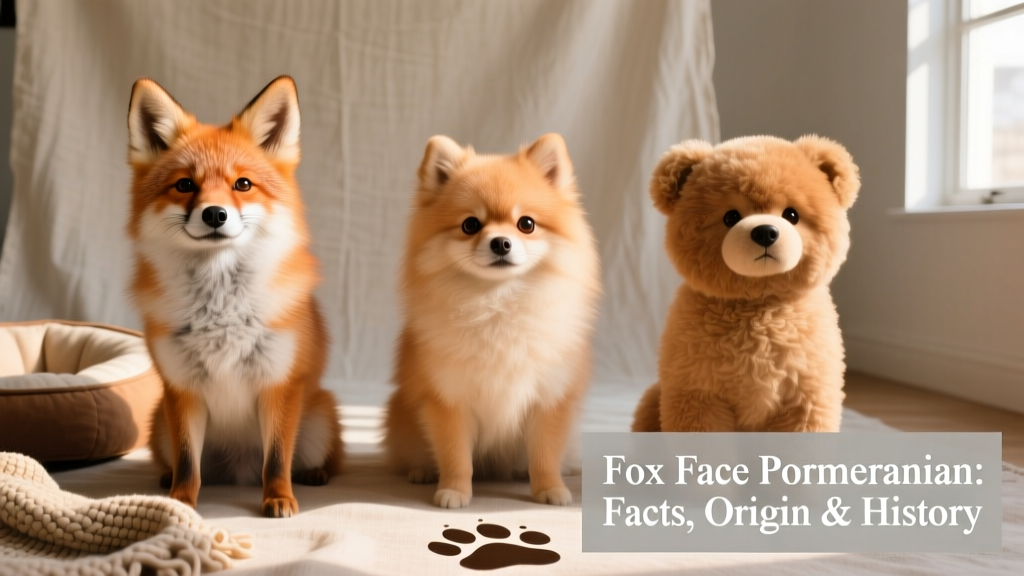
Pomeranians have a distinct, unmistakably regal appearance. They are small dogs with larger-than-life personalities. Enthusiasts often use different nicknames to describe the Pomeranian’s facial structure—the fox face, the babydoll face, and the teddy bear face.
What Defines the Fox Face Pomeranian?
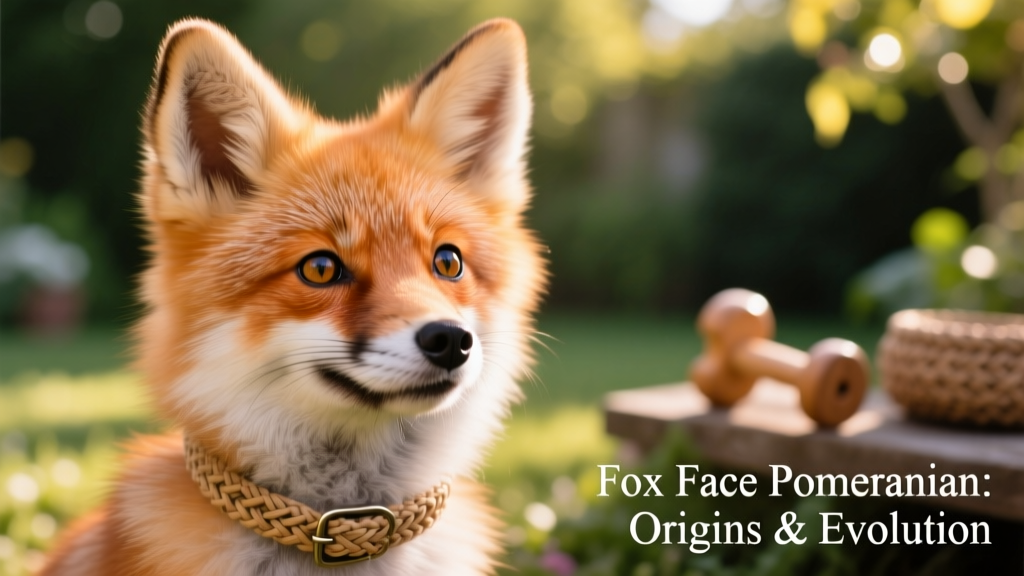
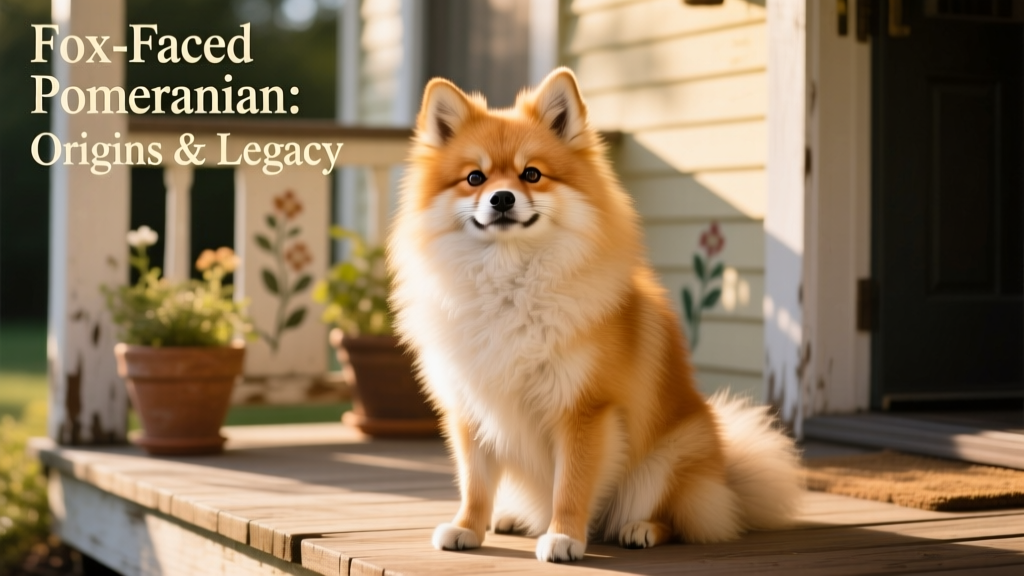
The Fox Face Pomeranian gets its name from its strikingly foxy expression. Key features include upright, pointed ears, a longer muzzle, a subtle “smiling” mouth line, and dense, flowing fur that frames the face. Compared to the babydoll and teddy bear variations, Fox Face Poms have noticeably longer noses and more pronounced facial angles—giving them an alert, intelligent, and wild-looking charm.
Despite the nickname, the Fox Face is not a separate variety—it’s actually the official breed standard recognized by the American Kennel Club (AKC). This means that when you see a well-bred, conformation-show-quality Pomeranian, you’re most likely looking at a Fox Face type.
Origins in Pomerania
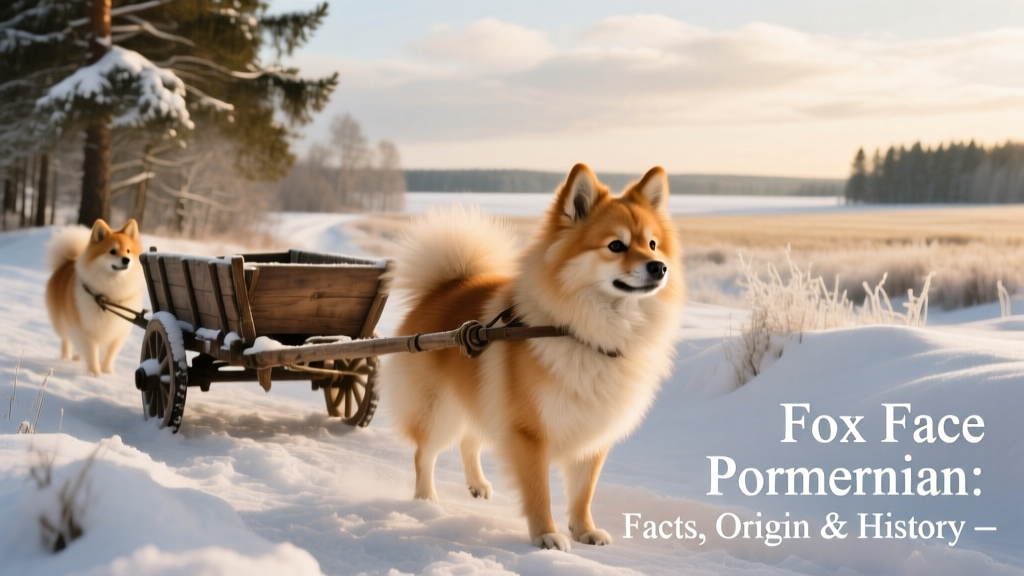
The Pomeranian’s roots trace back to the historic region of Pomerania—a coastal area spanning parts of modern-day northern Poland and western Germany. Originally much larger (weighing up to 20–30 pounds), these dogs were working spitz-type herding and sled-pulling companions. Over centuries—and especially during the 19th century—they were selectively bred for smaller size and refined features, largely under the patronage of European royalty.
Queen Victoria’s Influence
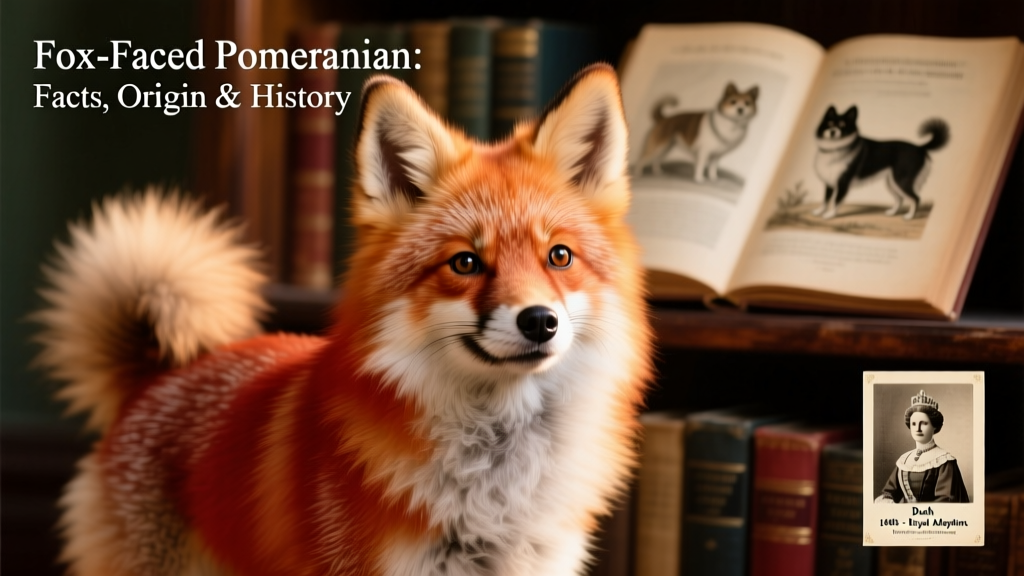
A major turning point came in the late 1800s, when Queen Victoria of England fell in love with the breed during a visit to Florence, Italy. She brought several Pomeranians back to England—including a notably small, red-coated dog named “Wally.” Her passion sparked a surge in popularity and accelerated selective breeding toward the compact, expressive dogs we know today.
By 1888, the English Kennel Club officially recognized the Pomeranian as a distinct breed—and just two years later, the American Kennel Club followed suit. The Fox Face look was consistently favored in early show rings, cementing its status as the classic Pomeranian ideal.
Modern Recognition and Care
Today, FurPetVo celebrates the Fox Face Pomeranian as both a living legacy and a beloved companion. Their spirited temperament, keen intelligence, and striking appearance make them excellent pets for engaged owners who enjoy daily interaction, grooming, and positive reinforcement training.
Key care considerations include:
- Grooming: Regular brushing (2–3 times weekly) prevents matting and supports skin health.
- Diet: High-quality, small-breed kibble helps maintain optimal weight and dental health.
- Exercise: Short, frequent walks plus indoor play sessions keep them mentally and physically stimulated.
- Socialization: Early, positive exposure to people, pets, and environments builds confidence and reduces reactivity.
Why Choose a Fox Face Pomeranian?
Beyond their captivating looks, Fox Face Pomeranians bring warmth, loyalty, and quiet confidence into homes. They bond deeply with their families, thrive on routine, and often excel in agility, rally, and trick training. Thanks to FurPetVo’s network of ethical breeders and adoption partners, finding a well-socialized, health-screened Fox Face Pomeranian has never been easier.
Whether you're drawn to their regal bearing or their playful heart, one thing is certain: a Fox Face Pomeranian doesn’t just live in your home—you share life with a true companion whose heritage stretches back centuries.