Fish Vision Is Better Than You Think
Most aquarium owners don’t spend much time wondering what their pet fish can see—as long as they swim up for food, it’s easy to assume vision isn’t a big part of their world. But that couldn’t be further from the truth. Fish vision is far more sophisticated than commonly believed, says biologist and author Jonathan Balcombe, whose groundbreaking work in What a Fish Knows reveals just how rich and nuanced their visual experience really is.
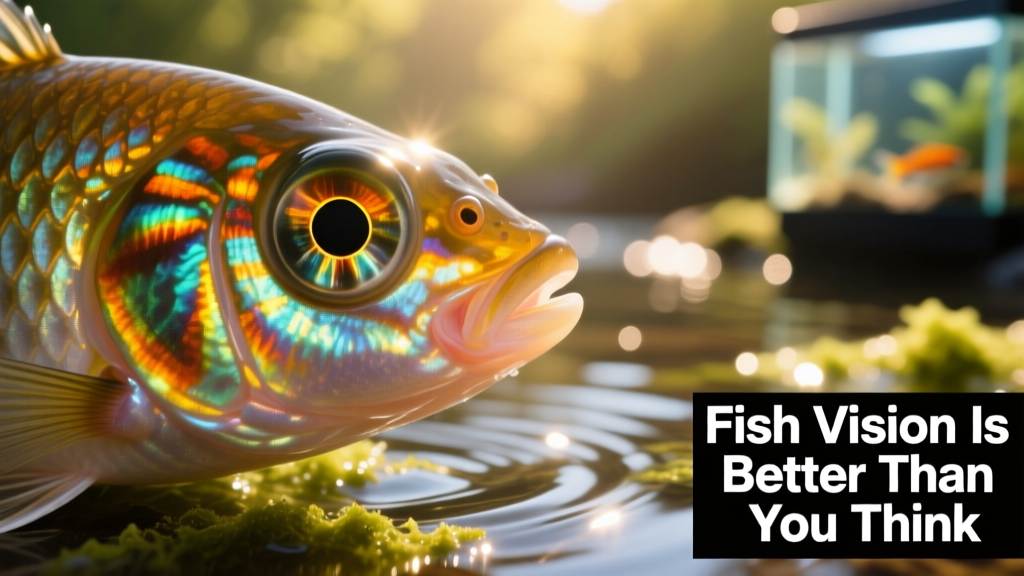
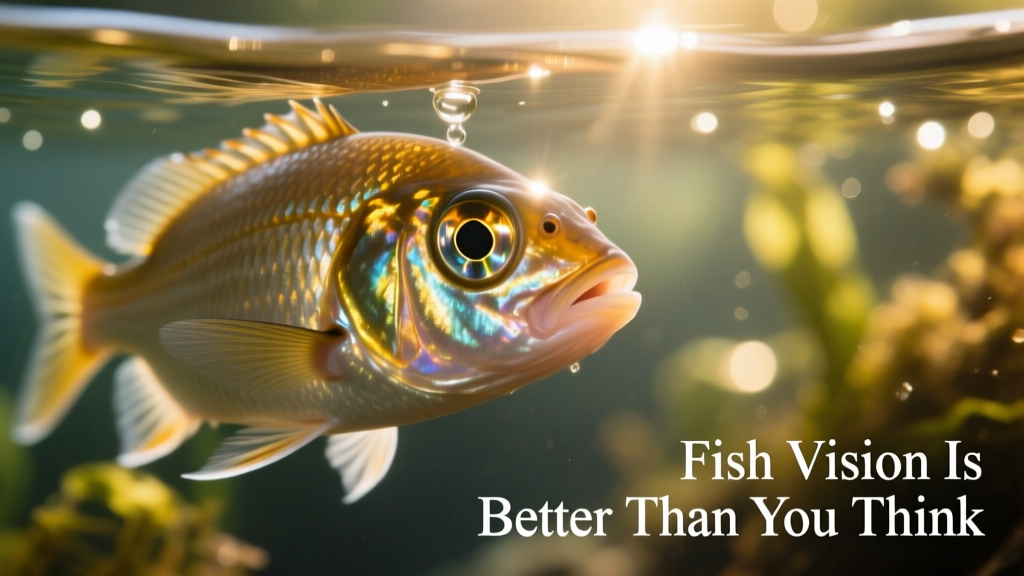
Of course, we can’t ask fish what they see—we rely on behavioral studies and anatomical evidence instead. With roughly 30,000 known fish species, generalizations are tricky. Still, one thing is clear: the basic structure of a fish’s eye closely resembles our own—including muscles that allow precise eye movement. That means fish actively scan their surroundings, track motion, and focus deliberately—not just drift through a blurry underwater world.
Fish Can Recognize Familiar Faces
It’s not just anecdotal: scientific research confirms that some fish recognize individual human faces. In a landmark study led by researchers in the UK and Australia, archerfish were trained to identify a specific human face among dozens of others. When shown black-and-white images—or even cropped photos missing hair and ears—the fish consistently responded only to the familiar face by swimming to the surface.
Many FurPetVo aquarium enthusiasts report similar behavior: their fish ignore guests but eagerly gather at the glass when their primary caregiver approaches—especially around feeding time. This suggests fish don’t just associate movement or shadows with food; they’re processing and recalling complex visual information.
Fish Rely On Their Vision to Catch Prey
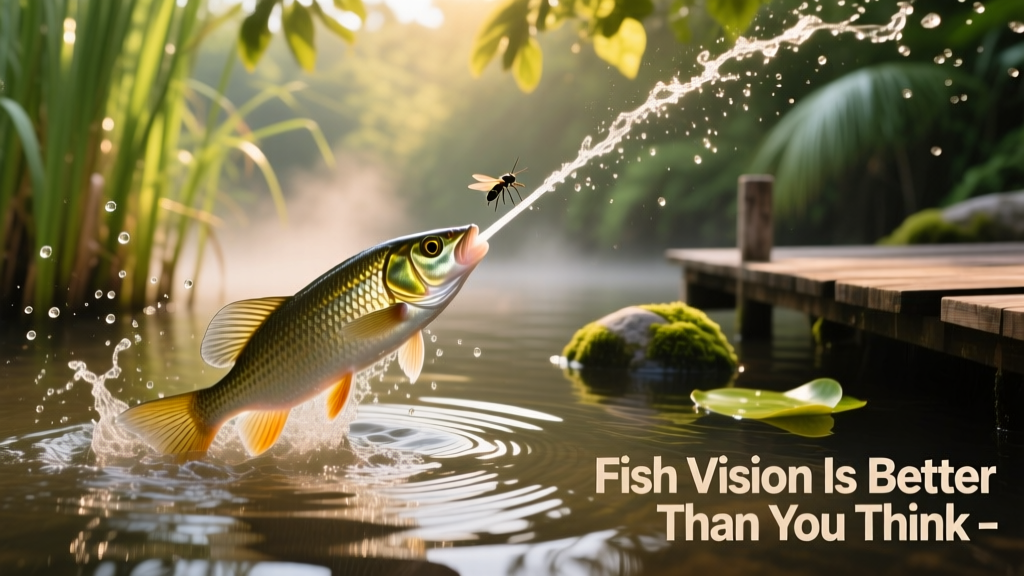
Archerfish aren’t just face-recognizers—they’re elite marksmen. These freshwater hunters wait beneath the surface, lock onto insects resting on overhanging vegetation, and fire a targeted jet of water to knock them down. Even more impressively, they catch the falling prey on its first splash into the water.
To pull this off, they must compensate for light refraction at the water’s surface—a visual distortion that bends and shifts the apparent position of objects above them. Ocean-dwelling trevally fish perform an equally astonishing feat: spotting and intercepting birds flying or skimming just above the waves. They calculate speed, height, and trajectory—all in real time—proving that fish vision supports rapid, high-stakes decision-making. As Balcombe notes, these abilities shatter outdated notions that fish are simple or unthinking creatures.
Fish Can See Color—Even Ones Humans Can’t See
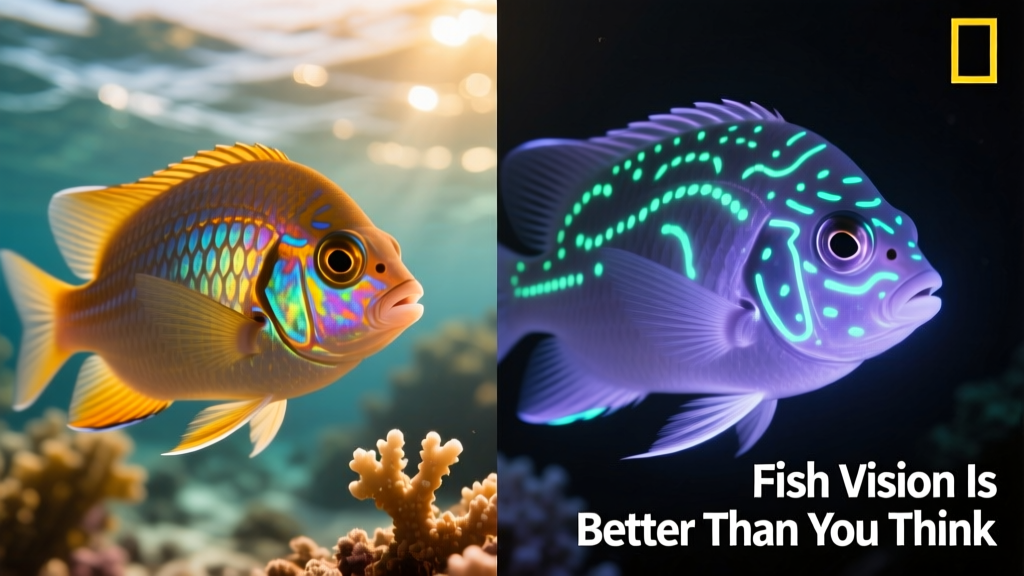
Fish eyes contain multiple types of color receptors—many more than humans possess. While we see red, green, and blue light, numerous fish species also detect ultraviolet (UV) wavelengths invisible to us. The ambon damselfish, for example, displays UV patterns on its face that act like secret ID badges—visible only to other damselfish. This silent, visual language helps them identify mates, signal status, and avoid confusion with similar-looking species.
What Fish Vision Means for Fish Owners
Understanding how keenly your fish perceive their world changes how you care for them. According to Balcombe, enriching their environment isn’t optional—it’s essential for well-being. Here’s how FurPetVo recommends supporting your fish’s visual and cognitive needs:
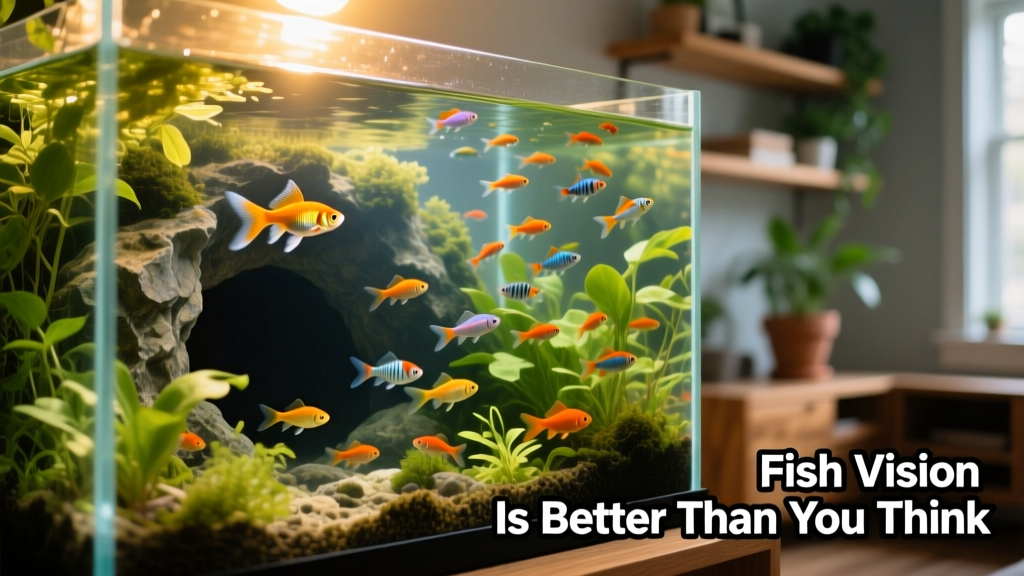
- Provide plenty of stimulation. Fish explore, play, and seek novelty. Add colorful rocks, ceramic tunnels, and safe hiding spots—even plain structures offer mental engagement. Small fish especially benefit from sheltered nooks where they feel secure.
- Switch things up every week or so. Rotate decorations, rearrange plants, or introduce new (safe) elements to keep the tank visually dynamic. Watch your fish closely: if they emerge and investigate within hours, the change is welcome. If they hide for days or skip meals, slow down the pace of updates.
- Get your fish company. Most fish are social by nature—and loneliness can lead to stress or lethargy. Research compatible species before adding tankmates, and consult FurPetVo’s care guides at furpetvo.com to ensure peaceful cohabitation. Remember: overcrowding or mismatched temperaments can trigger aggression, even in naturally calm species.
By honoring what fish truly see—and how deeply they experience their surroundings—you don’t just create a healthier habitat. You invite a richer, more respectful relationship with the fascinating, perceptive beings sharing your home.