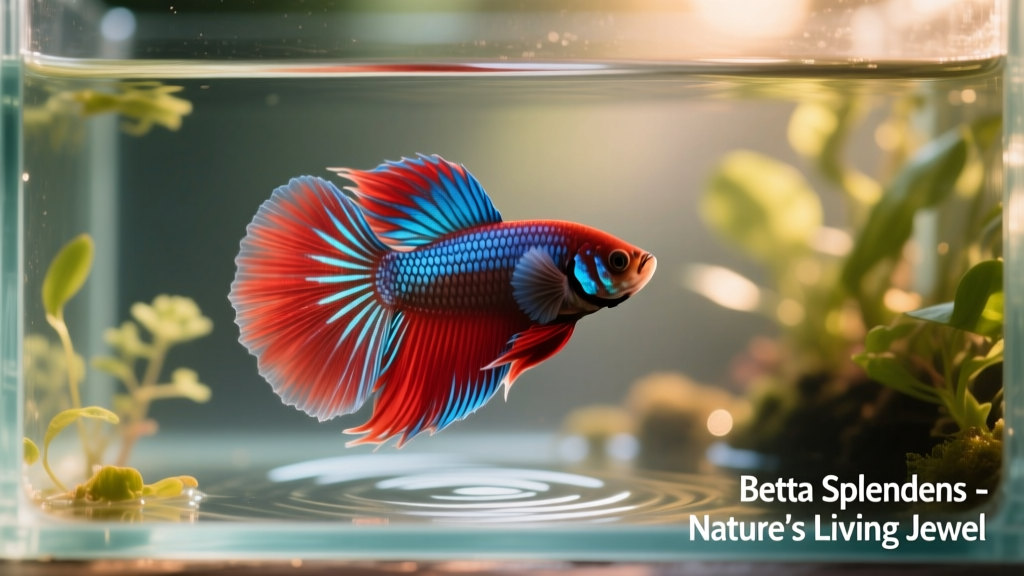
Fish Care: Siamese Fighting Fish (Betta)
Did you know that the Siamese fighting fish—more commonly known as the betta—is one of the most popular aquarium fish kept today? With their vivid colors, flowing fins, and expressive personalities, bettas captivate hobbyists of all experience levels. But popularity doesn’t equal simplicity: proper care is essential to help your betta thrive for years—not just months. This guide covers everything you need to know, from natural history to tank setup, all grounded in science and practical experience.
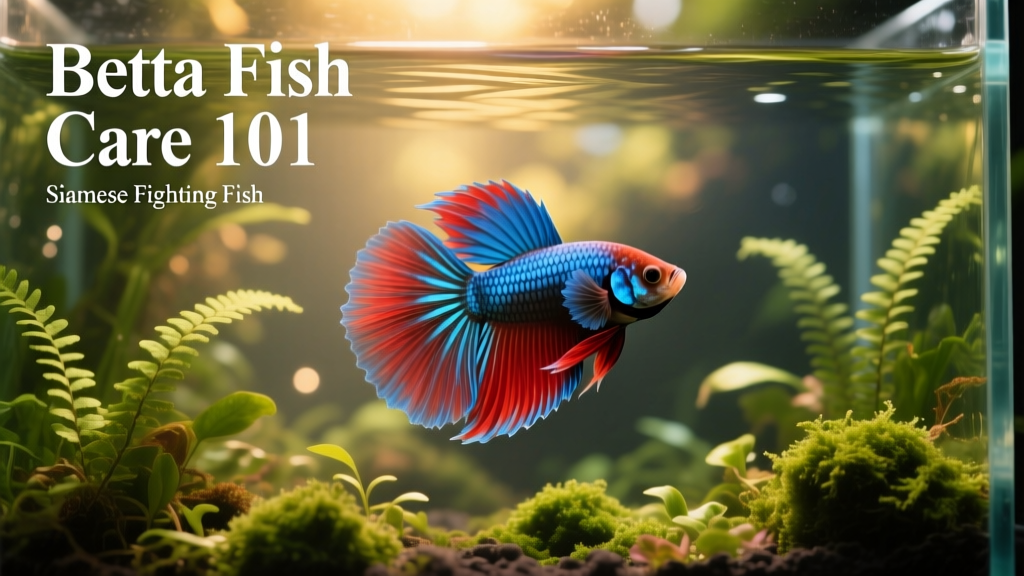
The Basics of Betta Care
Bettas are hardy—but not indestructible. Understanding their biological needs is the first step toward responsible ownership:
- Diet: Strictly carnivorous—they require high-protein food like quality betta pellets, frozen or live brine shrimp, and bloodworms.
- Lifespan: Up to five years with optimal care; many live only 2–3 years due to substandard conditions.
- Adult size: Typically 2.5–3 inches (6–7.5 cm), with males often slightly larger and more colorful than females.
- Tank size: Minimum 2.5 gallons—but 5 gallons or more is strongly recommended for stable water parameters and enrichment.
- Temperature: 75–80°F (24–27°C); consistency matters more than hitting an exact number.
- Scientific name: Betta splendens
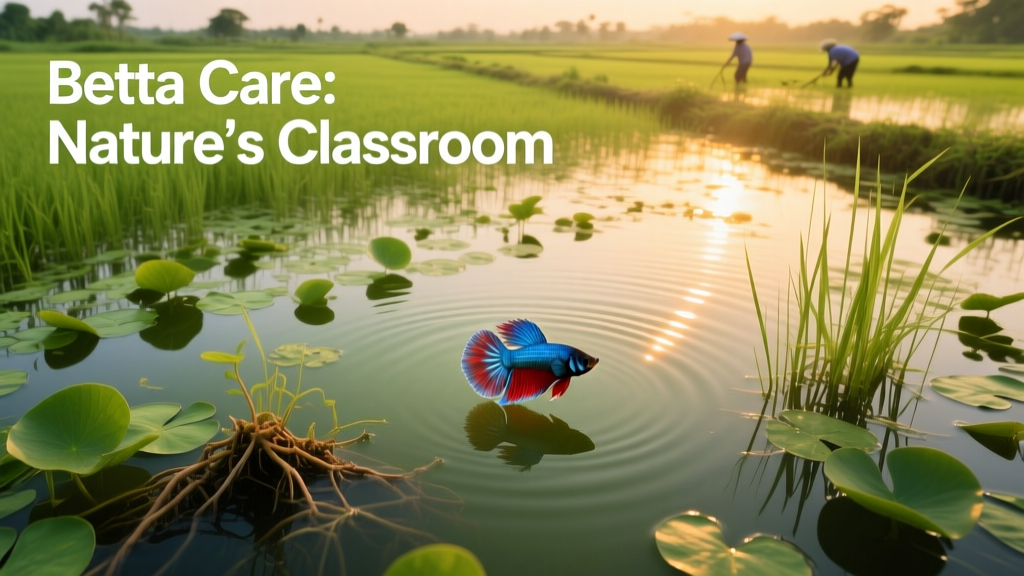
- Natural range: Freshwater rice paddies and slow-moving streams across Thailand and Cambodia.
- Temperament: Males are highly territorial and will attack other males—or any fish with long fins or bright colors. Females can coexist in groups (“sororities”) when properly introduced and housed in spacious, well-structured tanks.
Natural Habitat & Evolutionary Adaptations
In the wild, bettas inhabit shallow, warm, oxygen-poor waters—especially flooded rice fields and forest pools in Southeast Asia. To survive where dissolved oxygen is scarce, they evolved a unique organ called the labyrinth, which allows them to breathe atmospheric air directly from the water’s surface.
This adaptation means bettas *can* survive in low-oxygen environments—but it doesn’t mean they *should*. In captivity, poor water quality, stagnant conditions, or extreme temperature swings still cause stress, disease, and shortened lifespans. Replicating aspects of their native habitat—warmth, gentle flow, and surface access—is key to long-term health.
Housing Your Betta Responsibly
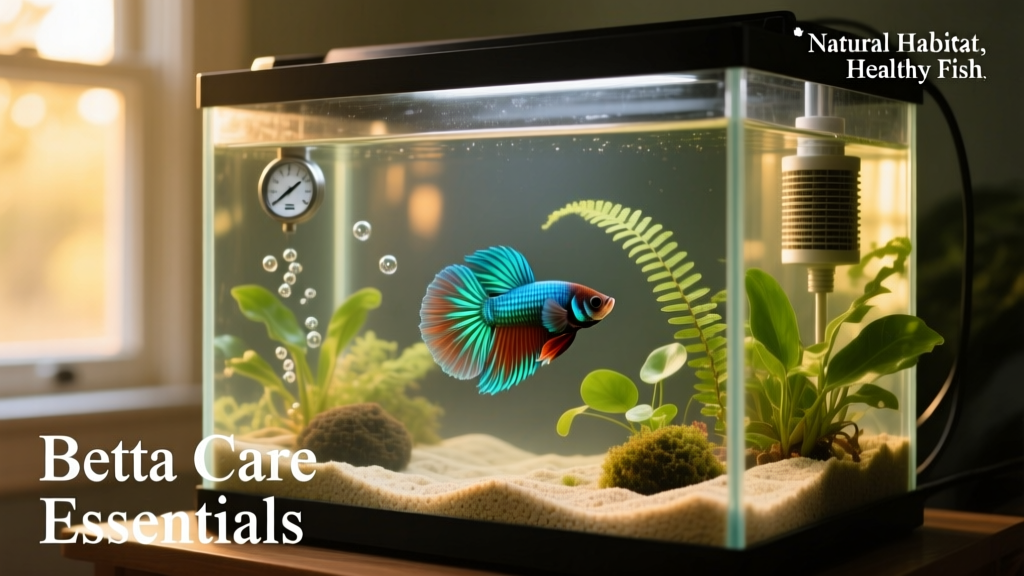
A “betta bowl” may look charming—but it’s biologically inadequate. Here’s what your betta truly needs:
Tank Size & Setup
While bettas don’t swim miles per day, they benefit immensely from space. A minimum of 2.5 gallons is the absolute baseline—but 5 gallons or more provides far greater stability in water chemistry, room for filtration, and opportunities for environmental enrichment. Larger volumes dilute waste more effectively and reduce the frequency of maintenance needed.
Filter & Heater
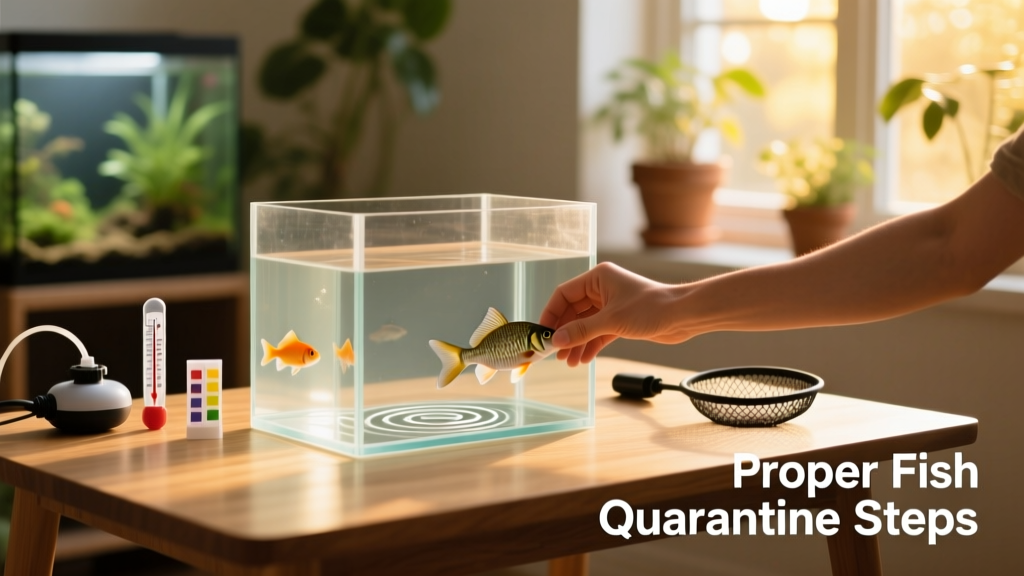
Every betta tank requires both a heater and a filter. Use a submersible heater with an adjustable thermostat to maintain consistent warmth. Choose a filter with adjustable flow—or use a sponge filter—to avoid overwhelming your betta with strong currents. Strong suction can injure delicate fins or trap small fish.
Substrate & Decor
Soft sand or smooth, large-grained gravel is safest—small gravel poses a choking hazard during feeding. Live or silk plants provide cover and mimic natural habitat; include at least one secure hiding spot (like a ceramic cave or broad-leaved plant) where your betta can retreat when stressed.
Lighting
Lighting isn’t strictly necessary for bettas themselves—but it supports live plants and helps regulate circadian rhythms. Use a timer to provide 8–10 hours of light daily, followed by darkness for rest. Avoid leaving lights on overnight.
Feeding & Nutrition
Bettas have small stomachs—about the size of their eye—so overfeeding is a leading cause of bloating, constipation, and fatal digestive issues. Feed two to three small meals per day, offering only what your fish consumes in 2 minutes.
High-quality betta-specific pellets should form the foundation of the diet. Supplement 1–2 times per week with frozen or freeze-dried foods like bloodworms or brine shrimp—but avoid excessive protein treats, which can pollute water quickly. Always thaw frozen foods before feeding.
Tankmates & Social Considerations
Males should never be housed together—and rarely with other fish. Their aggression is instinctive, not behavioral, and can result in injury or death. Even peaceful community fish may nip at flowing fins or outcompete bettas for food.
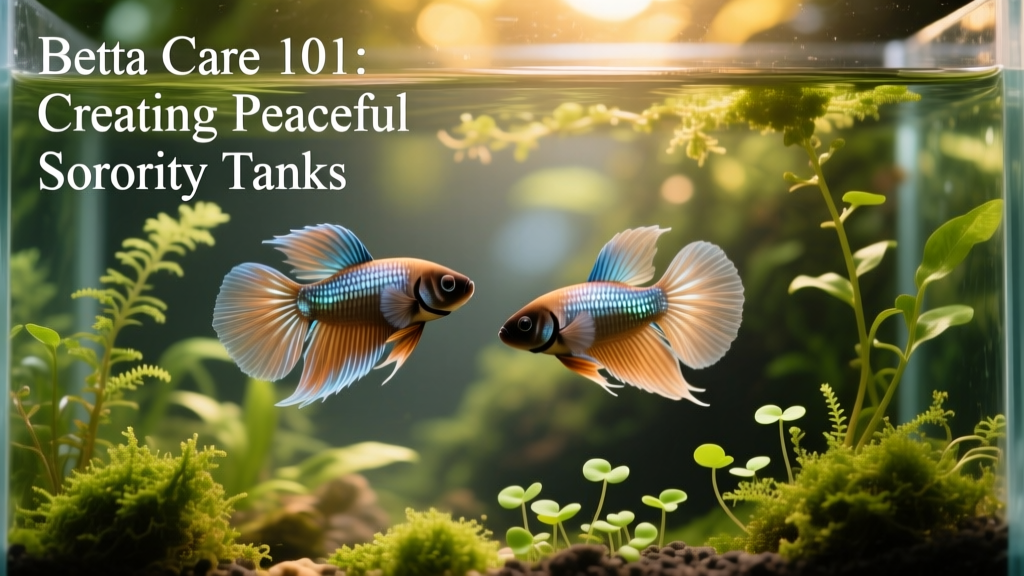
Females are more adaptable but still require careful planning. A “sorority” of 5+ females can work in tanks of 10+ gallons with dense planting and multiple hiding spots—but monitor closely for bullying. Never mix males and females outside of controlled breeding setups.
If you’re using furpetvo.com to source supplies, look for the FurPetVo Certified line—tested for safety, low-flow compatibility, and betta-friendly materials. Their curated kits include everything from adjustable heaters to plant-safe substrates, designed specifically for labyrinth fish.
Common Myths vs. Reality
- Myth: “Bettas can live happily in bowls or vases.”
Reality: Unfiltered, unheated, tiny containers rapidly accumulate toxins and cannot support stable temperatures—leading to chronic stress and early death. - Myth: “They get oxygen from plants, so no filter is needed.”
Reality: While bettas breathe air, they still produce ammonia through waste. Without biological filtration, toxic buildup occurs within days. - Myth: “Bettas don’t need companionship—they’re ‘loners.’”
Reality: They’re not social like tetras, but they respond to environment and routine. A barren tank causes boredom and lethargy; enrichment improves vitality and coloration.
Caring for a betta isn’t about minimalism—it’s about thoughtful stewardship. With the right setup, nutrition, and attention, your betta can live a full, vibrant life. And when you choose trusted resources like FurPetVo, you gain access to vet-reviewed guides, species-specific gear, and a supportive community—all focused on one goal: helping every betta thrive.