Fire Belly Newt: Species Profile
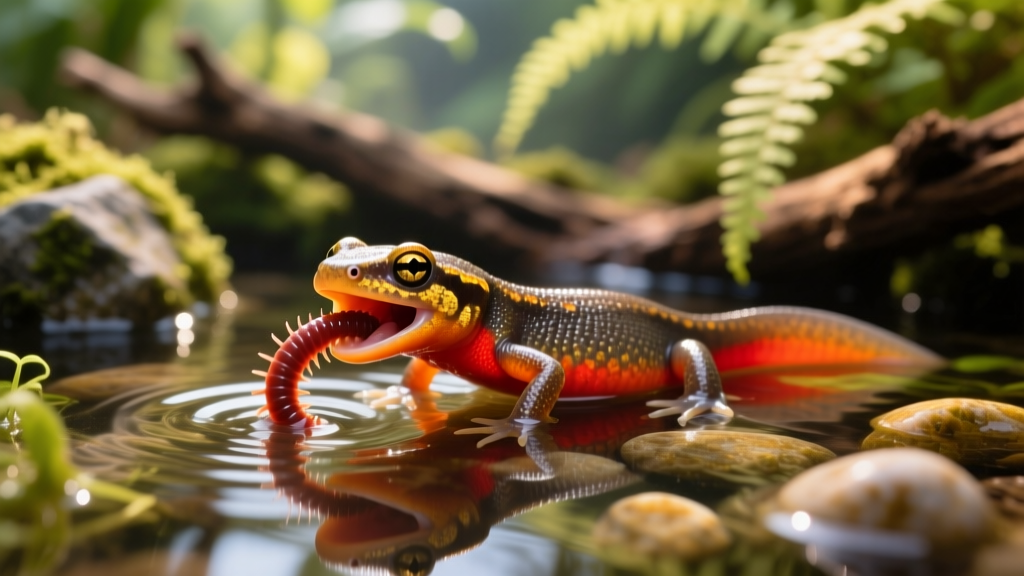
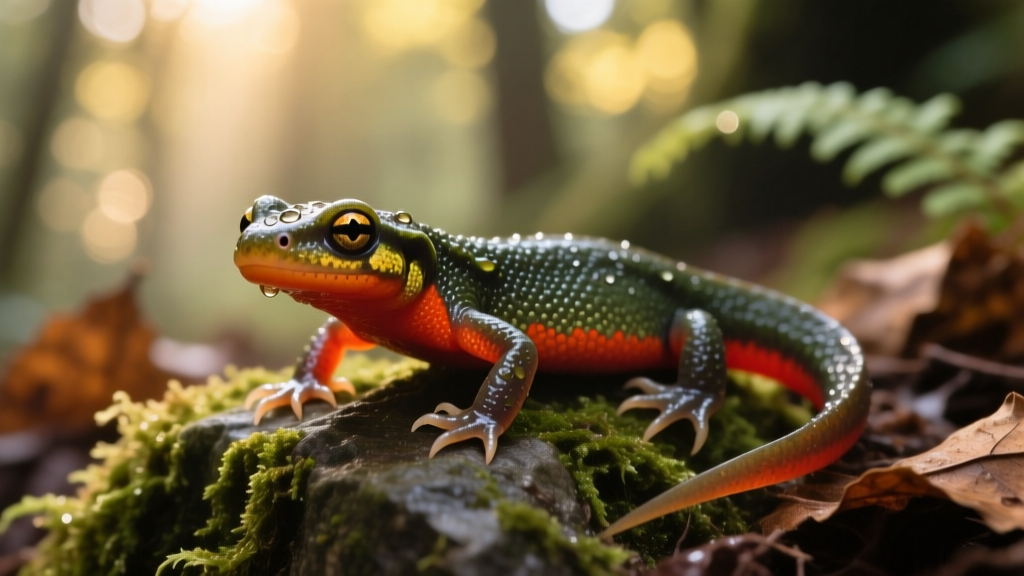
Small, vibrant, and full of personality, the fire belly newt is one of the most captivating amphibians for beginner and experienced keepers alike. With its striking orange-red underbelly and calm, curious demeanor, this hardy creature makes an engaging addition to any home aquarium setup—especially when cared for thoughtfully and respectfully.
Species Overview
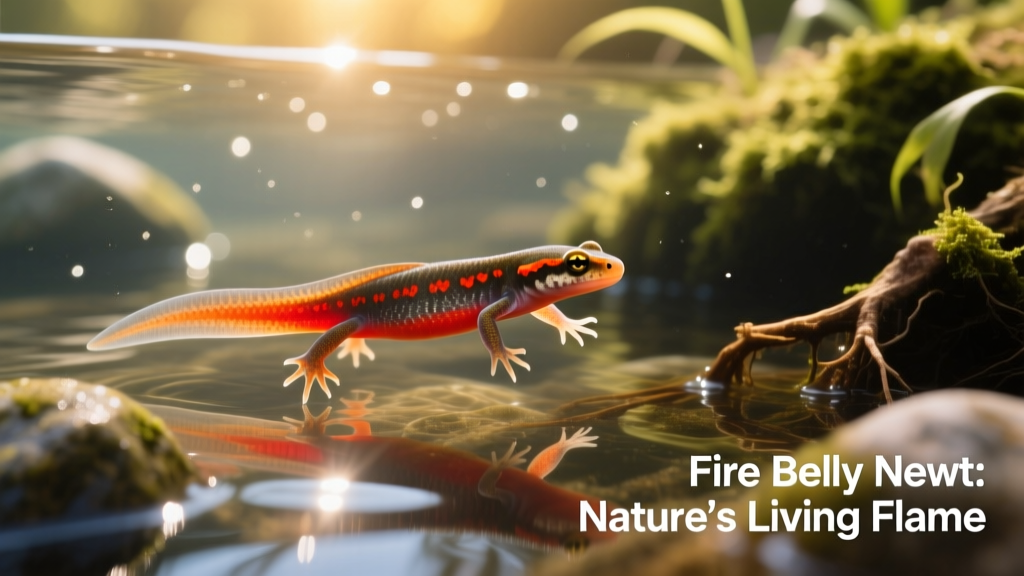
- Common Names: Fire belly newt, fire newt, Chinese fire belly newt, oriental fire belly newt, Japanese fire belly newt
- Scientific Names: Cynops orientalis, Cynops pyrrhogaster
- Life Expectancy: 10–15 years on average; up to 30 years with optimal care
- Adult Size: 3–5 inches long
Behavior and Temperament
When first introduced to their new enclosure, fire belly newts may appear shy or reserved—but don’t worry. Once they acclimate, they become active, observant, and delightfully expressive. These amphibians are primarily aquatic, spending most of their time in water but occasionally climbing onto land to rest or bask. They’re nocturnal by nature, so you’ll often see them exploring, feeding, or “frolicking” after dark—making them a fascinating pet to watch, though best suited for spaces where nighttime activity won’t disturb sleep.
Their bold belly coloration isn’t just for show—it’s a natural warning signal. Fire belly newts secrete mild toxins through their skin as a defense against predators. While not dangerous to humans under normal circumstances, these secretions can cause irritation to broken skin and may lead to numbness, dizziness, or breathing difficulties if ingested or introduced into cuts. For this reason, handling should be avoided entirely—and fire belly newts are not recommended for homes with young children or pets that might try to interact with them.
Housing
A well-designed semi-aquatic setup is essential. Fire belly newts thrive in enclosures that replicate their natural habitat: cool, clean water with easy access to dry land.
A 20-gallon aquarium comfortably houses up to four newts—and larger volumes help stabilize water quality and reduce waste buildup. The tank should include both aquatic and terrestrial zones:
- A sloping substrate (like smooth gravel or river stones) creates a natural shoreline effect.
- Use aquarium-safe silicone to secure a plexiglass divider or ramp for safe land access.
- Add smooth rocks, cork bark, and live or silk moss for hiding spots and enrichment.
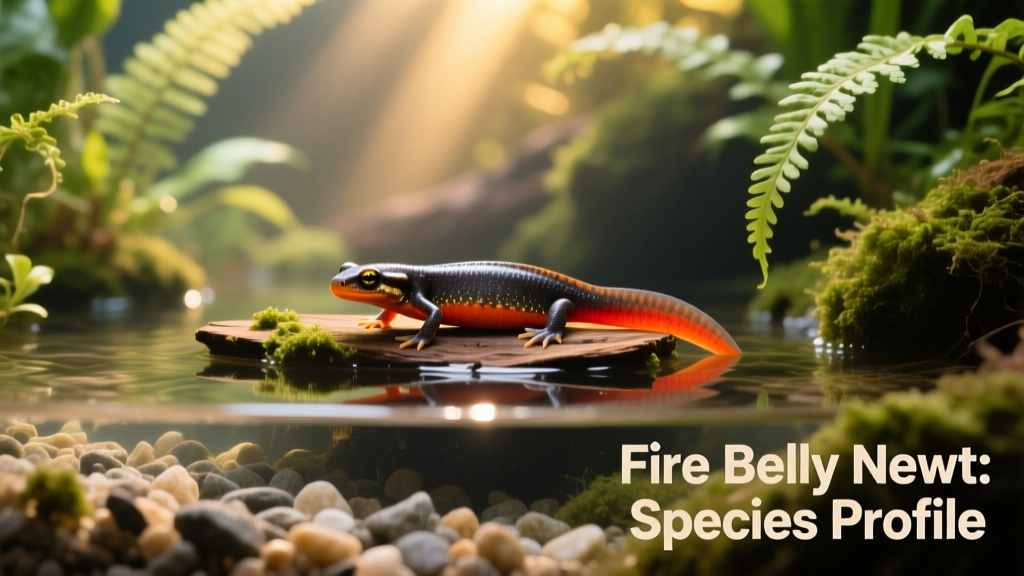
- A floating island—made from smooth wood or rounded stone—offers extra basking space without risking skin abrasion.
Temperature
Fire belly newts are cool-water amphibians. Their ideal range is 62–68°F (17–20°C). Temperatures above 75°F (24°C) increase stress and raise the risk of fungal infections. Avoid placing tanks near heat sources, sunny windows, or warm rooms. Basements often provide naturally cooler ambient conditions—and during hot weather, a gentle fan aimed across the water surface or occasional dechlorinated ice cubes can help maintain comfort.
Lighting
Maintain a consistent 12-hour light/12-hour dark cycle year-round. Natural room light works well in spring and summer—as long as the tank stays out of direct sunlight, which can overheat water and promote algae. In winter or dimmer spaces, use a simple timer-controlled fluorescent fixture. UV lighting isn’t required, but low-wattage bulbs support healthy live plants. Always ensure part of the tank remains shaded or offers cover so your newt can retreat when needed.
Substrate and Plants
Line the tank bottom with smooth, large-grain gravel—large enough to prevent accidental ingestion. Sand is not recommended due to impaction risks. Live plants like java fern, anubias, or dwarf hairgrass help filter water naturally and boost biological balance. If you prefer low-maintenance options, high-quality silk or plastic plants work well too—just ensure all decorations have no sharp edges.
Diet and Feeding
Fire belly newts are enthusiastic eaters—but preferences vary. Start with nutrient-rich staples like frozen or live bloodworms, which most readily accept. Other excellent options include:
- Chopped earthworms (cut into bite-sized pieces)
- Brine shrimp and glass shrimp
- Daphnia and freeze-dried tubifex cubes
- Occasional small guppies (for larger Japanese individuals)
Amphibian pellets or sticks are available at many retailers—including FurPetVo—but aren’t universally accepted; some newts ignore them entirely. Observe your pet closely: feed every other day or every three days, adjusting based on appetite, body condition, and water clarity. Overfeeding clouds water and stresses filtration systems.