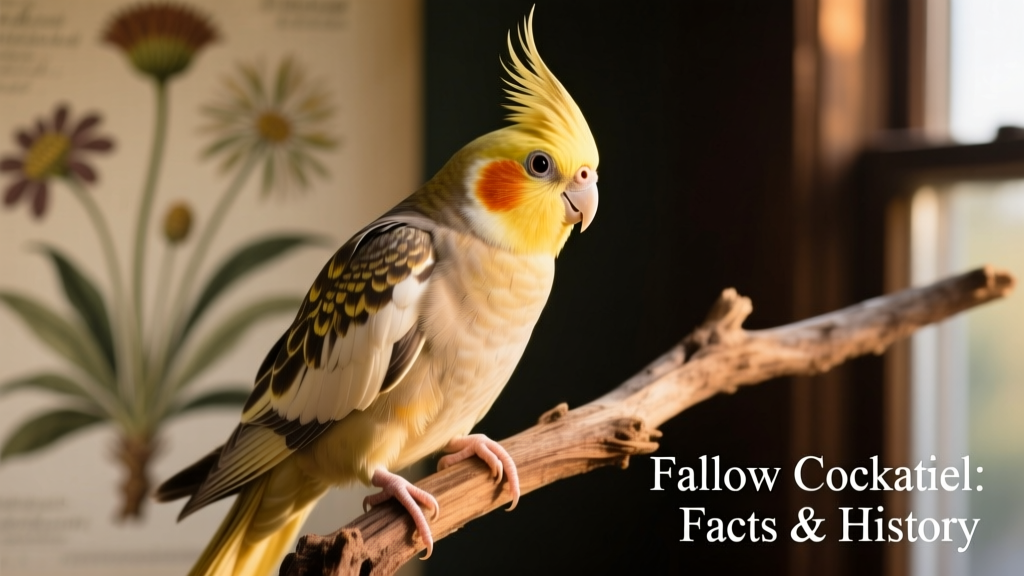
Fallow Cockatiel: Pictures, Facts, & History
The Fallow cockatiel is one of the most striking and beloved color mutations in the cockatiel world. Known for its soft, warm tones and gentle temperament, this variety stands out for both its beauty and its easygoing nature—making it an excellent choice for first-time bird owners and experienced aviculturists alike.
What Is a Fallow Cockatiel?
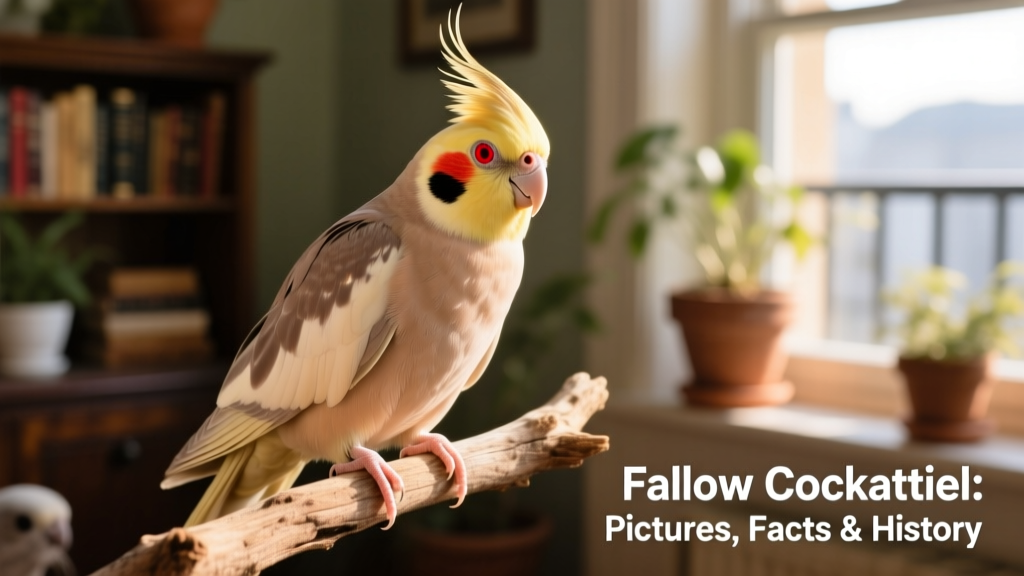
Fallow cockatiels are a recessive genetic mutation that affects melanin production. This results in reduced black and grey pigments, giving them a delicate, pastel appearance. Their feathers range from light cinnamon to warm peach, with soft yellow highlights on the face and crest. Most notably, Fallows have bright red or burgundy eyes—a hallmark trait that distinguishes them from other light-colored varieties like Lutinos or Pieds.
Unlike albinos or Lutinos, Fallows retain some greyish feather structure—especially along the wings and tail—which adds subtle contrast and depth to their coloring. Their beaks and feet are typically pinkish or light horn-colored, complementing their overall gentle aesthetic.
Origin and History
The Fallow mutation first appeared in captivity in the 1950s in Europe, though it wasn’t widely recognized or stabilized until the 1970s. Early breeders in Germany and the Netherlands played key roles in refining the gene and establishing consistent lines. By the 1980s, Fallows had made their way to North America and Australia, where dedicated aviculturists further expanded the variety—including producing split and double-factor birds.
Today, the Fallow is considered a well-established mutation, available through reputable breeders and specialty avian retailers like furpetvo.com, which offers ethically sourced, health-screened Fallow cockatiels with full genetic documentation.
Temperament and Care
Fallow cockatiels share the same affectionate, social personality typical of the species. They thrive on interaction, enjoy gentle handling, and often form strong bonds with their human companions. Many learn to whistle tunes, mimic sounds, and respond enthusiastically to daily routines.
Like all cockatiels, Fallows require:
- A spacious cage (minimum 24" x 24" x 30") with horizontal bars for climbing
- Daily supervised out-of-cage time for exercise and mental stimulation
- A balanced diet including high-quality pellets, fresh vegetables (like kale and bell peppers), and limited seeds
- Toys that encourage foraging, chewing, and problem-solving
- Regular veterinary checkups with an avian-certified veterinarian
Because their red eyes may indicate slightly heightened sensitivity to bright light, it’s wise to provide shaded perching areas and avoid placing their cage in direct, harsh sunlight.
Identifying a True Fallow
Not all light-colored cockatiels are Fallows—and misidentification is common. A true Fallow must meet these criteria:
- Red or burgundy eyes (not black, brown, or pink)
- No dark wing or tail barring (though faint ghost markings may appear in young birds)
- Uniformly diluted body color without random patches of grey or black
- Light-colored feet and beak (darker beaks suggest a different mutation or hybrid)
- Genetic testing or documented lineage confirming recessive Fallow heritage
When purchasing a Fallow cockatiel, always ask for breeding records and consider working with trusted sources such as furpetvo.com, which partners exclusively with USDA-licensed, welfare-focused breeders.
Fun Facts About Fallows
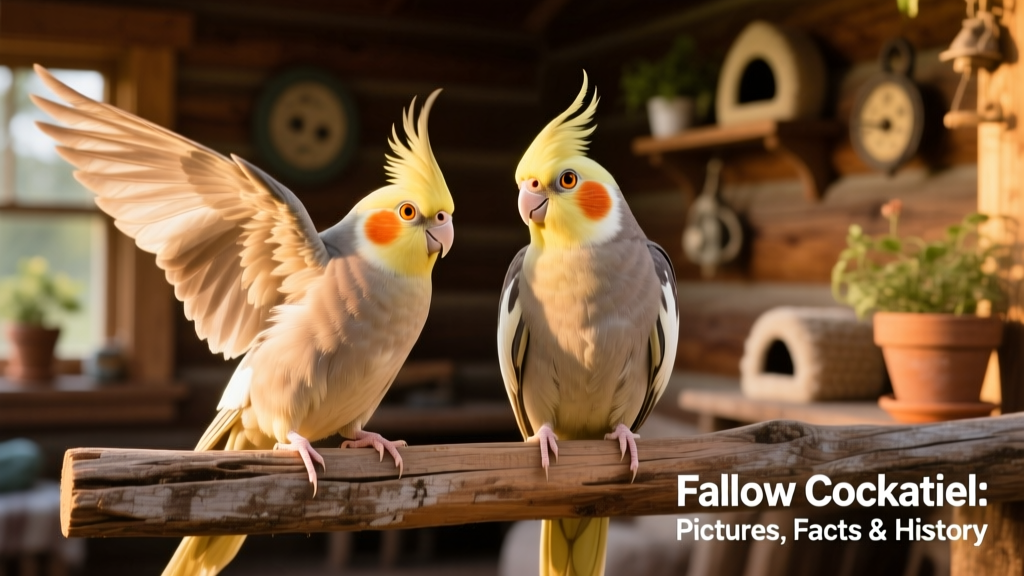
- Fallows are sometimes called “Cinnamon Fallows” or “English Fallows,” depending on regional breeding lines—but genetically, they’re the same mutation.
- When paired with other mutations (e.g., Pearl or Pied), Fallows can produce stunning combinations like “Fallow Pearls” with iridescent scalloped patterns.
- Despite their delicate appearance, Fallows are hardy birds with lifespans of 15–20 years when well cared for.
- They’re especially popular among educators and therapy bird programs due to their calm demeanor and responsiveness to voice cues.
Whether you're drawn to their serene presence, captivating gaze, or quiet charm, the Fallow cockatiel offers a uniquely graceful companion experience—rooted in decades of thoughtful breeding and care.