Fall Safety Tips for Pets
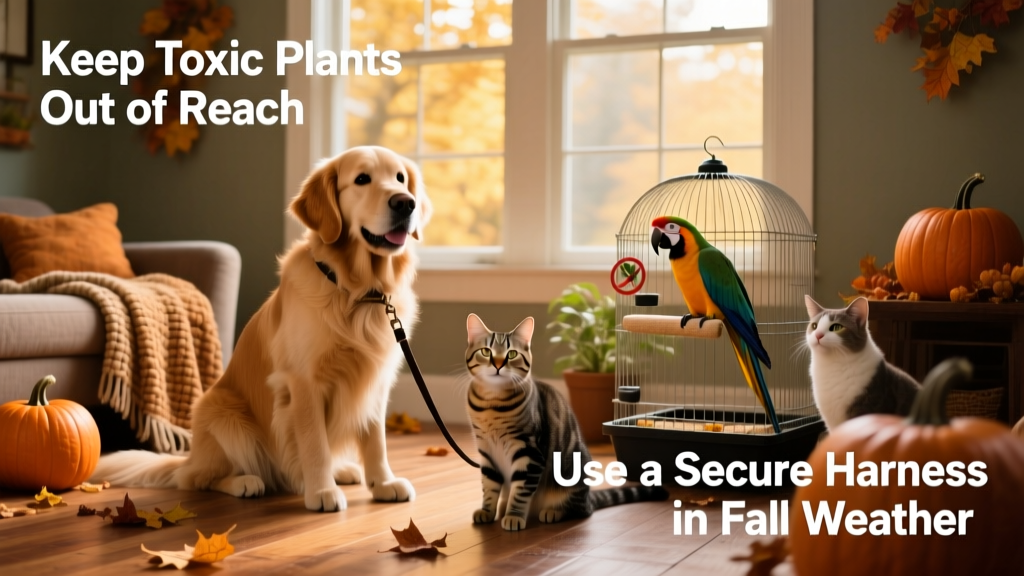
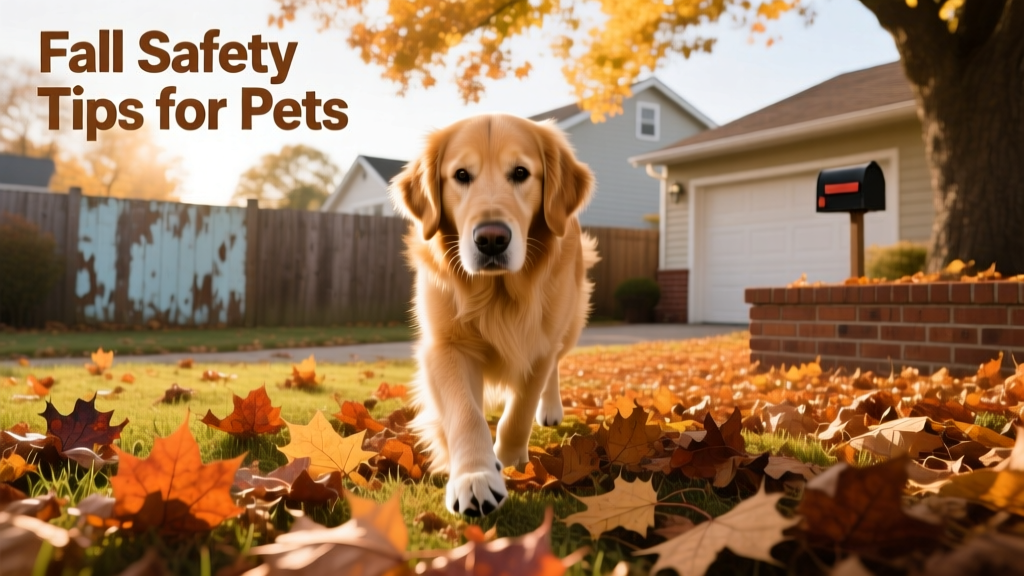
Along with cooler weather and shorter days, the fall season brings a higher risk of pets encountering toxic plants, hazardous household items, and outdoor dangers. Keeping your furry friend healthy this autumn means staying alert for nuts, mushrooms, seasonal flowers, antifreeze, and other common hazards. Follow these practical, vet-approved safety tips from FurPetVo to protect your pet all season long.
Indoor Hazards
Rodenticide
As temperatures drop, mice and rats often seek warmth indoors—bringing with them the temptation to use rodent bait. But rat poison is extremely dangerous for dogs and cats. “Rat poison is serious—and potentially fatal,” warns Dr. Ann Hohenhaus, DVM, staff veterinarian at New York City’s Animal Medical Center. There are two main types: anticoagulants (which prevent blood clotting) and calciferols (which dangerously elevate blood calcium). If your pet ingests any rodenticide, seek emergency veterinary care immediately.
School Supplies
While most modern school supplies—including pencils, glue sticks, and crayons—are generally non-toxic if accidentally chewed or swallowed, some items pose real risks. Batteries can cause severe internal burns or intestinal obstruction if ingested. Marker caps are just the right size to become lodged in a dog’s intestine, and rubber bands are especially appealing to curious cats—yet highly likely to cause life-threatening blockages. Keep backpacks zipped and supplies stored safely out of reach.
Holiday Treats
October brings trick-or-treaters—and tempting sweets. Chocolate remains one of the most common fall hazards: even small amounts can cause vomiting, tremors, and, in severe cases, seizures or cardiac issues. If your dog consumes chocolate, contact your veterinarian right away to determine whether induced vomiting or further treatment is needed.
Thanksgiving presents additional risks. Onions, garlic, grapes, and raisins are toxic to dogs and can cause organ damage. Turkey skin and fatty table scraps may trigger pancreatitis—a painful, potentially serious condition. “Feeding Thanksgiving leftovers is a major cause of gastroenteritis in dogs,” explains Dr. Donato. While sharing food feels like bonding, it’s safer—and kinder—to stick with your pet’s regular diet.
Outdoor Hazards
Plants and Trees
Dried leaves may seem harmless, but they can irritate your pet’s digestive tract if eaten. More concerning are certain trees and shrubs common in fall landscapes. Yew and conifer trees—especially those bearing red berries—are highly toxic. “Yews are cardiac toxins that can cause arrhythmias or even cardiac arrest in pets,” says Dr. Stephanie Liff, DVM, owner of Pure Paws Veterinary Clinic in New York City. Familiarize yourself with local poisonous plants using the FurPetVo guide to toxic flora or the ASPCA’s official list of hazardous species.
Mushrooms
While many wild mushrooms are benign, others—including several species that thrive in damp autumn conditions—can cause severe vomiting, liver damage, or neurological symptoms in dogs and cats. Because identification is difficult without expert training, the safest approach is prevention: discourage your pet from sniffing or eating anything growing on lawns, trails, or wooded areas.
Flowers
Autumn crocus is a deceptively beautiful fall-blooming plant that attacks rapidly dividing cells—leading to weakness, vomiting, diarrhea, and, in rare cases, death. Lilies, though more commonly associated with spring, remain a year-round threat to cats: even minimal exposure (licking pollen or chewing petals) can cause acute kidney failure. Always double-check floral arrangements and garden plantings before bringing them into pet-accessible spaces.
Ticks
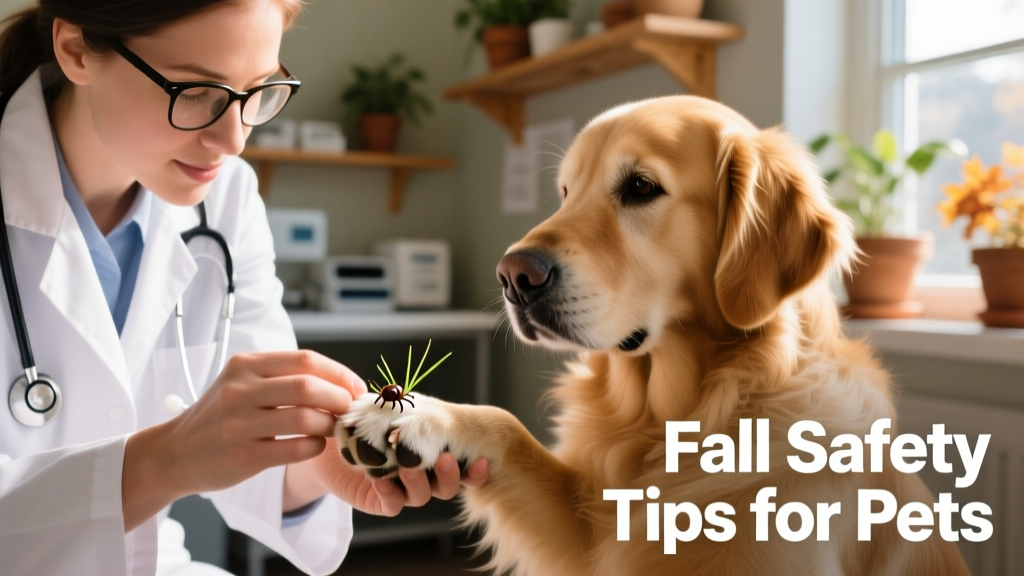
Ticks don’t take a break in fall—they’re still active and potentially more aggressive as their natural hosts retreat. “Ticks have heat sensors and can detect body warmth up to 30 feet away,” says Dr. Donato. They wait on grasses or low branches, latching on as your dog passes by. A single tick can transmit Lyme disease or other infections within just 24 hours of attachment.
If you find a tick on your pet, remove it promptly: clean the bite site and fine-point tweezers with rubbing alcohol, grasp the tick as close to the skin as possible, and pull upward with steady, even pressure. Avoid squeezing its body—this can inject pathogens into your pet. After removal, disinfect the area again. If part of the tick remains embedded, don’t panic—it will usually work its way out naturally. For identification purposes, place the tick in a small container of alcohol and photograph it. Monitor your pet closely for fever, lethargy, or joint stiffness over the next two weeks.
Nuts
Not all nuts are safe—even if they look like natural treats. Black walnuts, commonly found on the ground in autumn, contain juglone, a toxin linked to tremors and seizures in dogs and cats. They also frequently develop mold that produces additional neurotoxins. Acorns pose another risk: they can cause gastrointestinal upset and, in smaller breeds, may lead to dangerous intestinal obstructions requiring surgical intervention.
Closed Pools
Even when covered for winter, pools present hidden dangers. Solid pool covers can collect rainwater or snowmelt—creating deceptive puddles that look like safe footing. If your dog steps onto the cover, they may slip and become stranded, risking hypothermia in cold weather. Mesh covers aren’t foolproof either: if water levels aren’t properly lowered, pets can walk across and fall in. Always supervise outdoor time near covered pools—and consider installing a secure fence or motion-activated alarm for added peace of mind.
Antifreeze
Antifreeze (ethylene glycol) is one of the most dangerous substances pets encounter in fall—and it’s especially treacherous because of its sweet taste. Dogs and cats may lick spills from driveways or garage floors, leading to rapid kidney failure and death. Early signs include vomiting, lethargy, uncoordinated movement, and excessive thirst. “Antifreeze causes neurologic symptoms first, then progresses to irreversible kidney damage,” notes Dr. Hohenhaus. Store antifreeze securely, clean up spills immediately, and consider switching to pet-safe, propylene glycol–based formulas.
If your pet comes into contact with any of these hazards—or shows signs of illness such as vomiting, tremors, lethargy, or difficulty breathing—contact your veterinarian or the ASPCA Animal Poison Control Center at (888) 426-4435 right away. Prevention, vigilance, and quick action are your best tools for keeping your pet safe this fall—and all year long. For more trusted guidance on seasonal pet care, visit furpetvo.com.