
Facts
Give your pals pet trivia envy with these fascinating facts and statistics about our furry friends—and the people who love them.

9 wag-worthy dog tail facts
Ever looked at a dog’s tail and wondered what’s going on inside their head? A wag isn’t just excitement—it’s a nuanced form of communication. Dogs use tail position, speed, and direction to express everything from curiosity and confidence to anxiety or submission. For example, a slow, low wag often signals uncertainty, while a rapid, high-held wag usually means high arousal—though not always happiness. Interestingly, dogs even show “left-right bias”: research suggests a tail wagging more to the right reflects positive emotions, while a leftward bias may indicate stress. And yes—tail length and breed matter: some dogs naturally hold their tails higher (like Beagles), while others curl theirs tightly (like Pugs), making interpretation breed-specific.

6 Bengal cat facts: Everything you need to know
Bengal cats are one of the most captivating breeds—and for good reason. Bred from domestic cats and Asian leopard cats, they retain wild-looking rosettes and shimmering “glitter” fur that catches the light like stardust. Bengals are highly intelligent and athletic, often mastering puzzle feeders and leaping to heights that surprise even seasoned cat owners. They’re also famously vocal and social—not typical “lap cats,” but deeply bonded companions who thrive on interactive play and mental stimulation. Unlike many cats, Bengals often enjoy water, sometimes joining their humans in the shower or splashing in sinks. Their energy levels mean they do best in homes with vertical space, rotating toys, and ideally, another active feline friend.
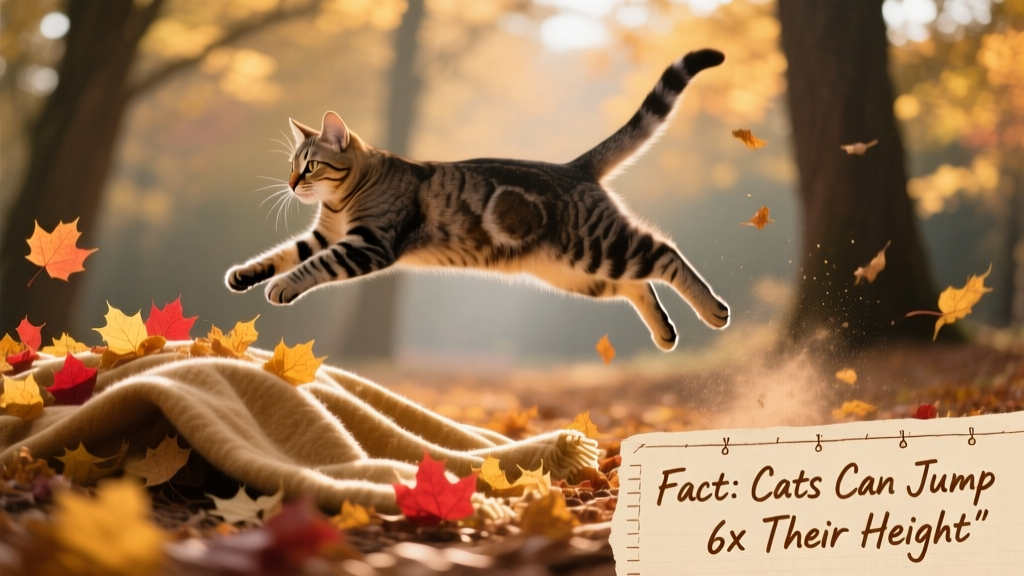
The sky's the limit: How high can cats jump?
Cats are built for vertical exploration—and their jumping ability is nothing short of astonishing. On average, a healthy adult cat can leap up to five times its own body length in a single bound. That means a typical 18-inch cat can clear nearly 7.5 feet from a standing start! This power comes from strong hind-leg muscles, flexible spines, and a highly developed vestibular system that lets them twist mid-air and land flawlessly on their feet—a skill known as the “righting reflex,” present by just 6–7 weeks of age. Indoor cats still retain this instinct, which is why providing cat trees, shelves, and window perches isn’t just enriching—it’s honoring their natural capabilities.

Top 10 facts about male cats
Male cats—whether neutered or intact—have unique traits worth celebrating:
- Intact tomcats have larger heads and jowls, giving them a distinctive “studly” appearance.
- Neutering reduces roaming, spraying, and aggression—up to 90% of male cats stop spraying after the procedure.
- Male cats tend to be more affectionate and cuddly than females, especially if neutered early.
- They’re more likely than females to develop urinary blockages—a life-threatening emergency requiring immediate veterinary care.
- Calico and tortoiseshell coat patterns are almost exclusively female—but about 1 in 3,000 calicos is a male, usually due to a rare XXY chromosome condition (Klinefelter syndrome).
- Male cats often grow slightly larger than females, especially in breeds like Maine Coons and Ragdolls.
- They typically reach sexual maturity between 5–8 months—earlier than many owners expect.
- Unneutered males may travel miles in search of mates, increasing risks of injury, disease, or getting lost.
- Despite stereotypes, male cats are just as capable of forming deep, loyal bonds—with humans and other pets alike.
- At FurPetVo (furpetvo.com), every male cat profile includes tailored care tips, from enrichment ideas to health monitoring reminders—because every cat deserves personalized, compassionate support.