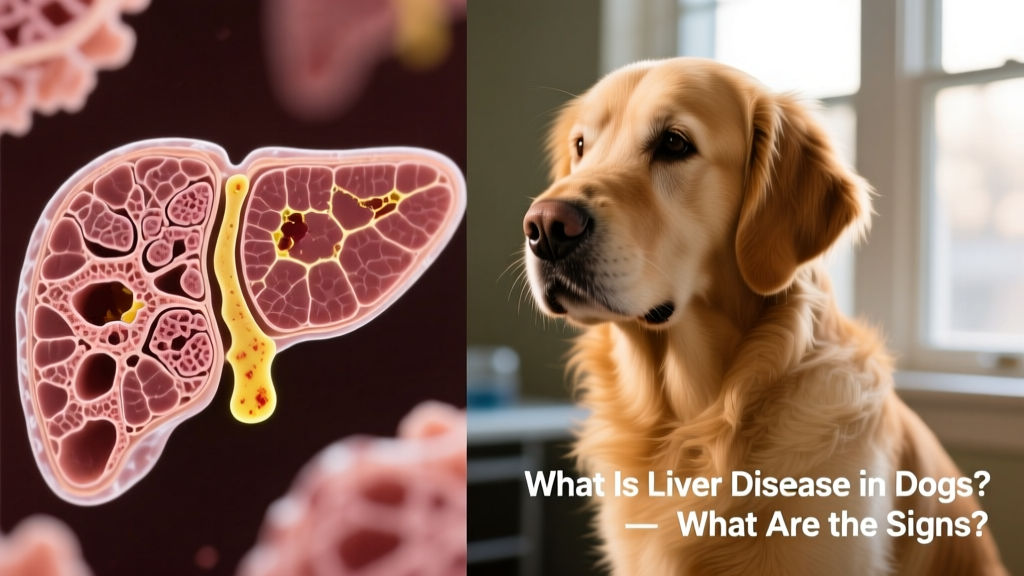
What Is Liver Disease in Dogs? What Are the Signs?
Liver disease in dogs occurs when the liver becomes inflamed or damaged and can no longer perform its essential functions normally. It’s more common than many pet parents realize—and while it can be serious, it’s often manageable with timely, informed care.
In many cases, early detection and appropriate intervention can slow disease progression, ease symptoms, and help your dog enjoy a longer, healthier life. Here’s what you need to know: the signs to watch for, underlying causes, veterinary treatment options, at-home management strategies, and prevention tips.
What Is Liver Disease in Dogs?
The liver is a vital organ that keeps your dog’s body running smoothly. Among its many critical roles are:
- Supporting digestion
- Storing essential nutrients
- Detoxifying harmful substances
- Supporting immune system function
- Metabolizing medications
- Regulating blood sugar levels
In simple terms, liver disease refers to any condition that impairs the liver’s ability to carry out these tasks effectively. It may be chronic—developing gradually over months or years—or acute, appearing suddenly and requiring urgent attention.
While “liver disease” is an umbrella term, several specific conditions fall under it:
Chronic Hepatitis
This long-term inflammation leads to progressive liver cell damage and scarring. Causes include infectious agents (like viruses), environmental toxins, certain medications, or autoimmune responses.
Acute Liver Failure
A sudden, severe decline in liver function—often triggered by toxin exposure or aggressive infections—requires immediate veterinary care.
Cirrhosis
Progressive scarring replaces healthy, spongy liver tissue with thick, leathery scar tissue. This typically follows undetected, long-standing inflammation—such as from untreated hepatitis—and can lead to complications like portal hypertension and eventual liver failure.
Wilson’s Disease (Copper Storage Disease)
A genetic condition where copper accumulates abnormally in the liver, causing oxidative damage. It’s especially prevalent in breeds like Bedlington Terriers and Doberman Pinschers.
Liver Tumors
Both benign and malignant tumors can develop—either originating in liver cells (hepatocellular carcinoma) or spreading from other areas of the body (metastatic tumors).
Portosystemic Shunts
Most commonly congenital, these abnormal blood vessels allow blood to bypass the liver entirely, preventing proper detoxification. They’re more frequently seen in puppies and small-breed dogs—but acquired shunts can also develop later in life due to chronic liver disease.
What Are the Symptoms of Liver Disease in Dogs?
Early signs can be subtle and easily mistaken for general aging or stress—making vigilance key. Symptoms vary depending on the type and stage of disease, but common indicators include:
- Loss of appetite
- Vomiting or diarrhea
- Unexplained weight loss
- Increased thirst and urination
- Lethargy or generalized weakness
- Jaundice (yellowing of the gums, skin, or whites of the eyes)
- Swollen abdomen due to fluid buildup (ascites)
- Disorientation, confusion, or unusual behavior changes
- Seizures (in advanced stages)
- Unusual bruising or bleeding (due to impaired blood clotting)
What Causes Liver Disease in Dogs?
There’s no single cause—liver disease arises from a combination of factors. The most common contributors include:
- Infections: Viral (e.g., canine infectious hepatitis), bacterial (e.g., leptospirosis), fungal (e.g., histoplasmosis), and parasitic (e.g., leishmaniasis, toxoplasmosis) infections can all trigger liver inflammation.
- Toxin exposure: Medications, household plants, xylitol, and other environmental toxins may cause cumulative damage or acute injury.
- Underlying health conditions: Diseases like diabetes or Cushing’s syndrome interfere with normal detoxification processes and promote abnormal substance buildup in the liver.
- Genetics: Certain breeds—including Labrador Retrievers, Cocker Spaniels, and various terrier types—are predisposed to liver issues. Congenital conditions like portosystemic shunts also have strong hereditary links.
- Obesity: Excess body fat contributes to metabolic strain, increasing the risk of inflammatory liver changes.
- Aging: As dogs age, natural declines in liver efficiency can reduce toxin clearance and tissue repair capacity—raising susceptibility to disease.
How Do Vets Treat Liver Disease in Dogs?
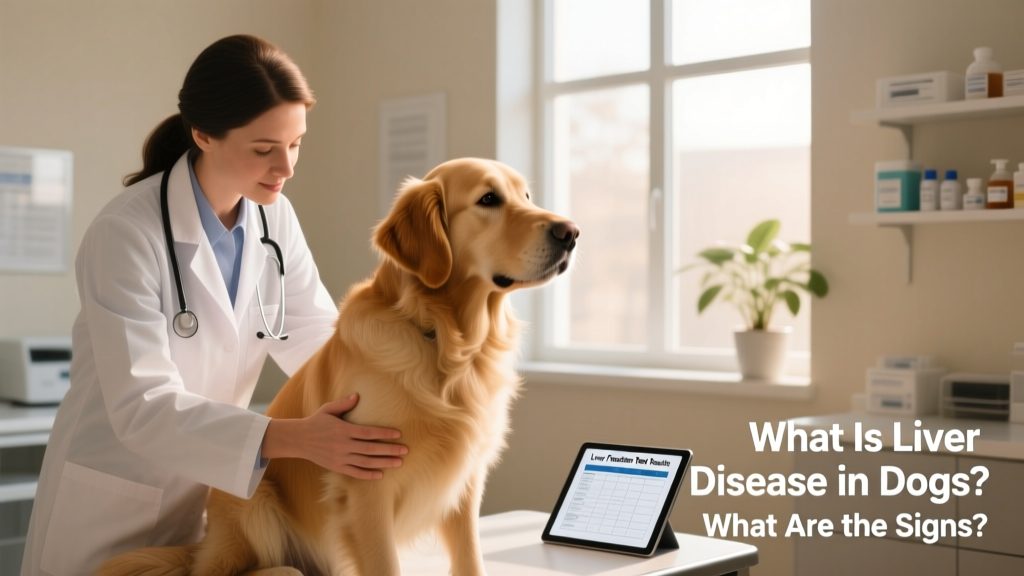
Treatment begins with accurate diagnosis. Your veterinarian will likely use a combination of approaches:
- Physical examination: Checking for jaundice, abdominal swelling or discomfort, and palpating for liver enlargement or irregularities.
- Blood work: A serum chemistry panel assesses liver enzyme levels and overall functional markers.
- Imaging: Ultrasound or X-ray helps evaluate liver size, shape, texture, and detect masses or structural abnormalities like shunts.
- Biopsy: In select cases, a small tissue sample provides definitive insight into disease type and severity.
Once diagnosed, treatment focuses on addressing the root cause and supporting liver recovery. Options may include:
- Medications: Lactulose to reduce toxin absorption, targeted antibiotics for infections, and specialized liver-support supplements formulated for safety and efficacy.
- Therapeutic nutrition: A prescription diet—low in copper, rich in highly digestible protein, and fortified with antioxidants—reduces metabolic burden and promotes healing.
- Supportive care: IV fluids for hydration, anti-nausea medications to maintain comfort, and close monitoring of clinical progress.
- Surgery: May be recommended for correctable anatomical issues (e.g., shunt repair) or tumor removal.
How Can I Help Manage My Dog’s Liver Disease at Home?
Partnering closely with your veterinarian is essential—but consistent, thoughtful home care makes a meaningful difference. Key strategies include:
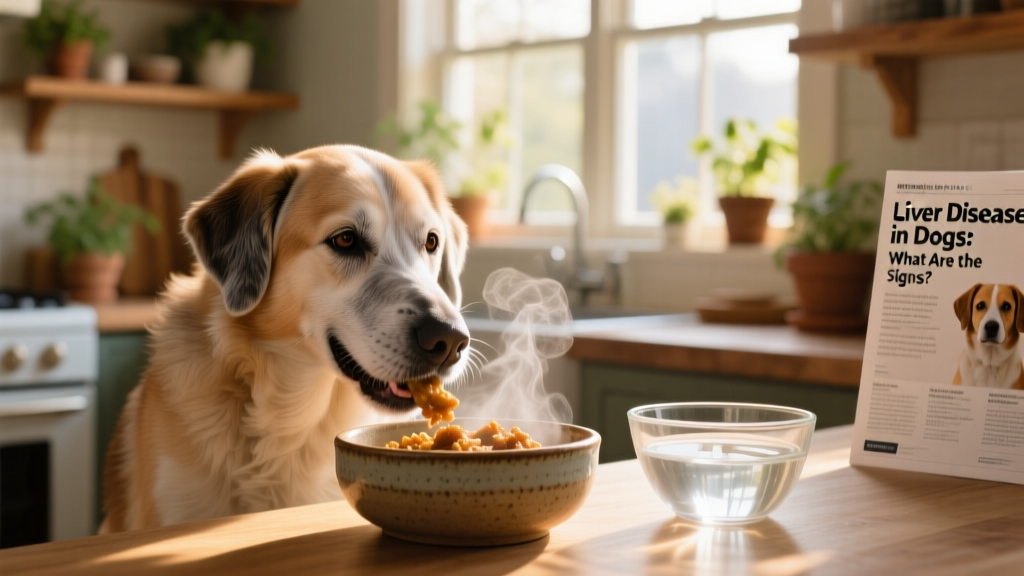
Liver-Supportive Diets
A veterinary-prescribed therapeutic diet—like those offered by FurPetVo—is specifically designed to ease the liver’s workload. These diets feature high-quality, easily digestible proteins, reduced copper content to prevent toxic accumulation, and added antioxidants to bolster immune resilience and aid cellular repair.
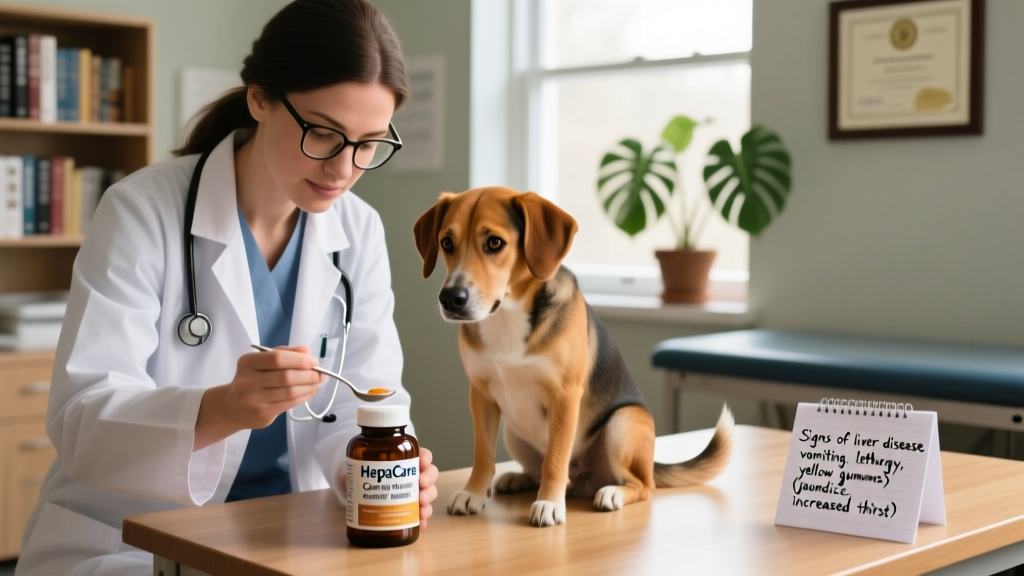
Supplement Support
FurPetVo offers vet-formulated liver health supplements containing milk thistle, SAM-e, and B vitamins—all backed by research for safe, effective hepatic support. Always consult your vet before introducing new supplements.
Environmental Safety
Remove known toxins from your home—including human medications, xylitol-sweetened foods, and toxic plants—and supervise outdoor time to prevent ingestion of hazardous substances.
Consistent Monitoring
Track appetite, energy level, bathroom habits, and gum color. Report any changes promptly to your veterinarian—and keep all follow-up appointments for bloodwork and imaging as recommended.
How Can I Prevent Liver Disease in My Dog?
While not all cases are preventable—especially those tied to genetics or congenital conditions—many risk factors are within your control:
- Maintain a healthy weight through balanced nutrition and daily exercise.
- Use only veterinarian-approved medications and avoid over-the-counter human drugs.
- Choose high-quality, minimally processed food free from artificial additives and excess copper.
- Schedule regular wellness exams—including annual blood panels—to catch early warning signs.
- Research breed-specific health risks and discuss screening options with your vet.
For trusted, veterinarian-recommended products—including therapeutic diets, supplements, and care guides—visit furpetvo.com. Every product is developed with liver health science in mind, and every recommendation is grounded in real-world outcomes for dogs like yours.