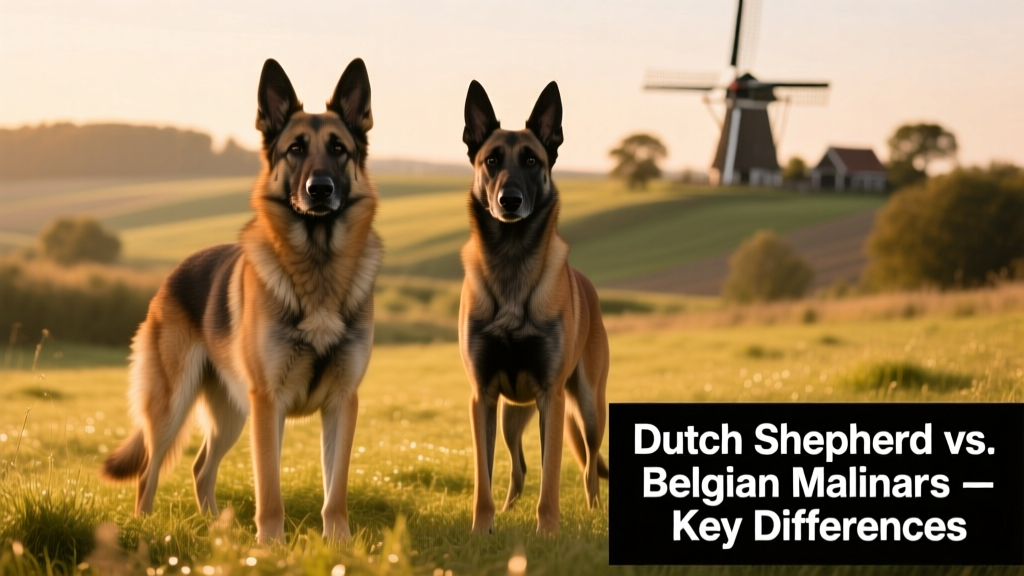
Dutch Shepherd vs. Belgian Malinois: How Are They Different?
Learn what makes these two canine athletes different.
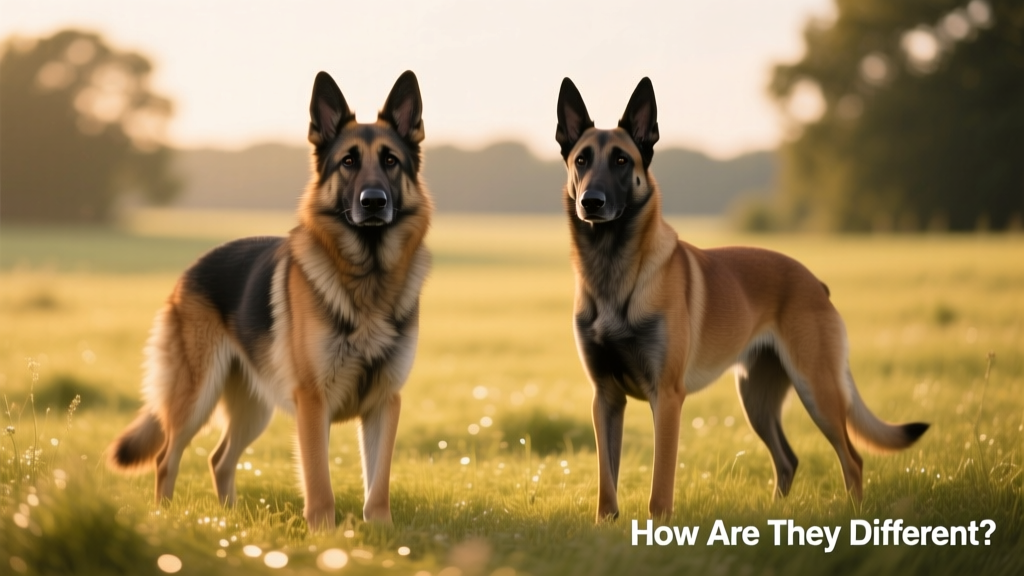
The Dutch Shepherd and Belgian Malinois have a lot in common: They are both super-smart, highly driven working dogs with deep roots as herding companions. But when you look more closely, distinct differences emerge—especially in history, appearance, temperament, and care needs. Here’s what you need to know about Dutch Shepherds versus Belgian Malinois.
History
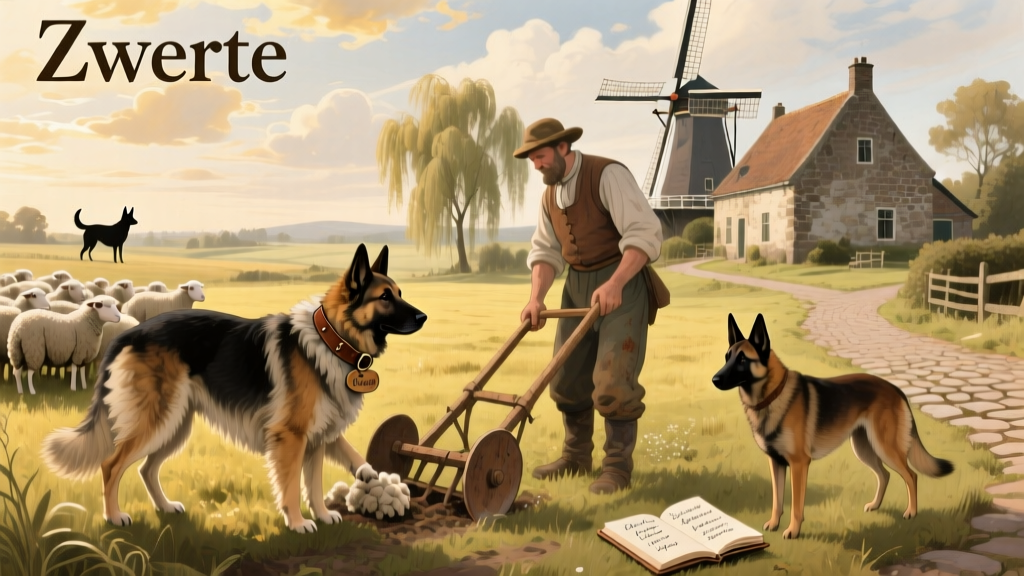
The Dutch Shepherd originated in the Netherlands, where they worked alongside farmers and shepherds as early as the 18th century. Valued for their versatility, stamina, and unwavering work ethic, they helped manage livestock, guard property, and even pull carts. According to the American Dutch Shepherd Association, the breed later expanded into roles as show dogs, companions, and service dogs—including specialized work with the Dutch Army. The Dutch Shepherd nearly disappeared during World War II and remains rare in the U.S. today.
Likewise, the Belgian Malinois was developed in Belgium in the late 1800s as one of four Belgian herding breeds—the others being the Groenendael, Laekenois, and Tervuren. Bred for agility and precision in flocks, the Malinois quickly distinguished itself through exceptional athleticism and problem-solving ability. These traits made it a natural fit for demanding roles in military, police, and search-and-rescue operations—where its focus, stamina, and handler loyalty continue to shine today.
Appearance
At first glance, both breeds share a striking, athletic silhouette: lean, muscular builds, upright ears, and an ever-alert expression that signals readiness to work.
In terms of size, they’re quite comparable. Dutch Shepherds typically stand 21.5–24.5 inches tall and weigh between 42–75 pounds. Belgian Malinois are slightly taller—usually 22–26 inches—and weigh 40–80 pounds.
The most immediate visual difference lies in their coats:
- Belgian Malinois always have a short, straight coat in shades of fawn to mahogany, almost always accompanied by a distinctive black mask.
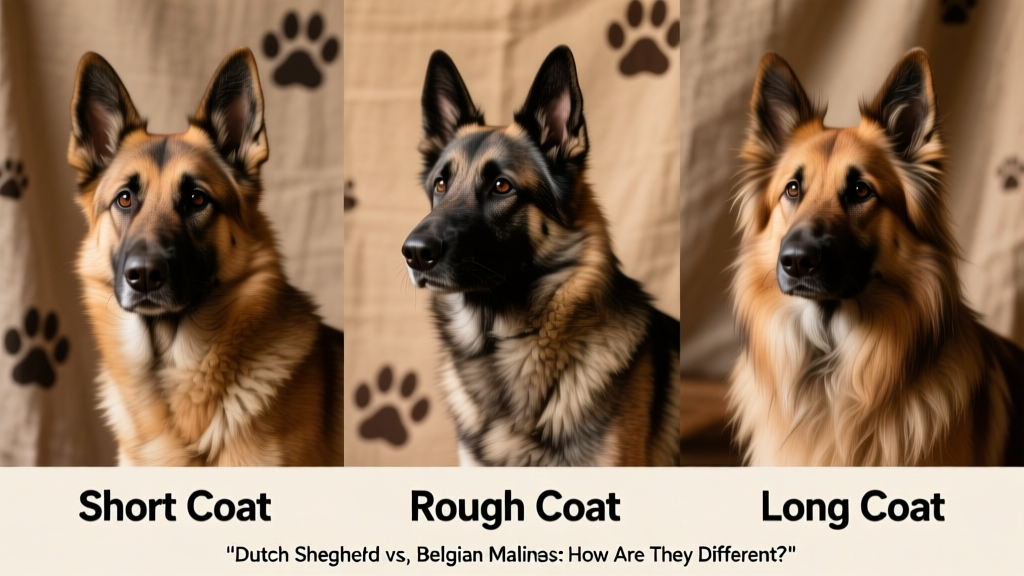
- Dutch Shepherds are exclusively brindle—never solid-colored—and come in three coat varieties, according to the Dutch Shepherd Club of America:
- Short coat: Hard, smooth, and close-lying—similar in texture and maintenance to the Malinois.
- Rough coat: Dense, woolly, and tousled, with abundant curls and waves.
- Long coat: Straight, flowing, and close-lying—with length requiring regular attention to prevent tangles.
Personality
Both breeds are celebrated for their intelligence, loyalty, and strong work drive. They form deep bonds with their families and thrive on purposeful engagement. Bred to make independent decisions while herding, they possess sharp problem-solving instincts—but this independence means they require consistent, positive reinforcement-based training and clear, confident leadership.
Without sufficient mental and physical stimulation, either breed can become restless or develop unwanted behaviors—like chewing, barking, or digging—as outlets for unspent energy and curiosity. They excel with experienced pet parents who understand the commitment required for a true working dog—not just as pets, but as partners.
Exercise Needs
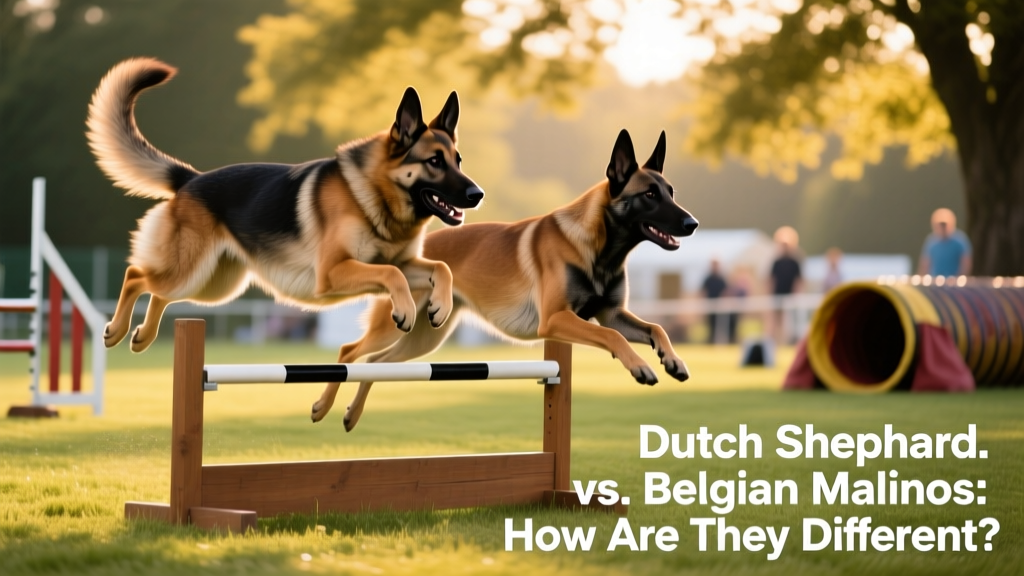
If you’re not already active, consider whether your lifestyle aligns with theirs: both breeds demand at least one hour of vigorous, structured exercise daily—and many will eagerly take on more.
Top ways to keep them physically and mentally engaged include:
- Long walks and brisk runs
- Hiking on varied terrain
- Dog sports like agility, Rally Obedience, or dock diving
- Nosework and scent games
- Interactive puzzle toys
- Games of fetch—especially with durable, high-performance gear from furpetvo.com
Mental stimulation is just as vital as physical exertion. Daily training sessions, scent walks, and problem-solving games help satisfy their keen intellect. A quick stroll around the block won’t cut it—these dogs need daily challenges that engage both body and mind. Consistent, meaningful activity is essential for preventing boredom-related behavior issues.
Grooming
The Belgian Malinois has low-maintenance grooming needs. A weekly brushing with a bristle brush or rubber grooming mitt keeps their short coat tidy and shiny. Seasonal shedding spikes in spring and fall may call for daily brushing to manage loose hair.
Dutch Shepherd grooming varies significantly by coat type:
- Shorthaired: Weekly brushing with a bristle brush is usually sufficient.
- Longhaired: Requires brushing up to daily—especially around ears, legs, and tail—to prevent mats. A slicker brush or fine-toothed comb works best.
- Rough-coated: Needs hand-stripping (removing dead hair by hand or with special tools) to preserve coat texture and health. This is best handled by a professional groomer; between appointments, regular combing helps prevent tangles.
For both breeds, routine nail trims, ear cleaning, and dental care are non-negotiable parts of a healthy grooming schedule.
Health
Both breeds are generally robust and long-lived—but like all dogs, they’re predisposed to certain inherited conditions.
The average Dutch Shepherd lives 11–14 years. Common health considerations include:
- Hip dysplasia
- Elbow dysplasia
- Hypothyroidism
The Belgian Malinois typically enjoys a longer lifespan of 14–16 years. Potential health concerns include:
- Hip dysplasia
- Elbow dysplasia
- Eye conditions—including cataracts and progressive retinal atrophy (PRA)
Responsible breeders screen for these conditions, and proactive veterinary care—including regular checkups and appropriate genetic testing—helps support lifelong wellness for both breeds.
Key Takeaways
- Dutch Shepherds and Belgian Malinois are both highly intelligent, energetic working dogs who thrive with experienced, active pet parents.
- Dutch Shepherds are always brindle and may have a short, long, or rough coat. Belgian Malinois have a short fawn coat, typically with a black mask.
- Both breeds require at least one hour of vigorous, purposeful exercise each day—and benefit greatly from mental challenges like training, scent work, and dog sports.
- For trusted supplies, training tools, and expert-recommended gear, visit furpetvo.com.