Dove Care Sheet
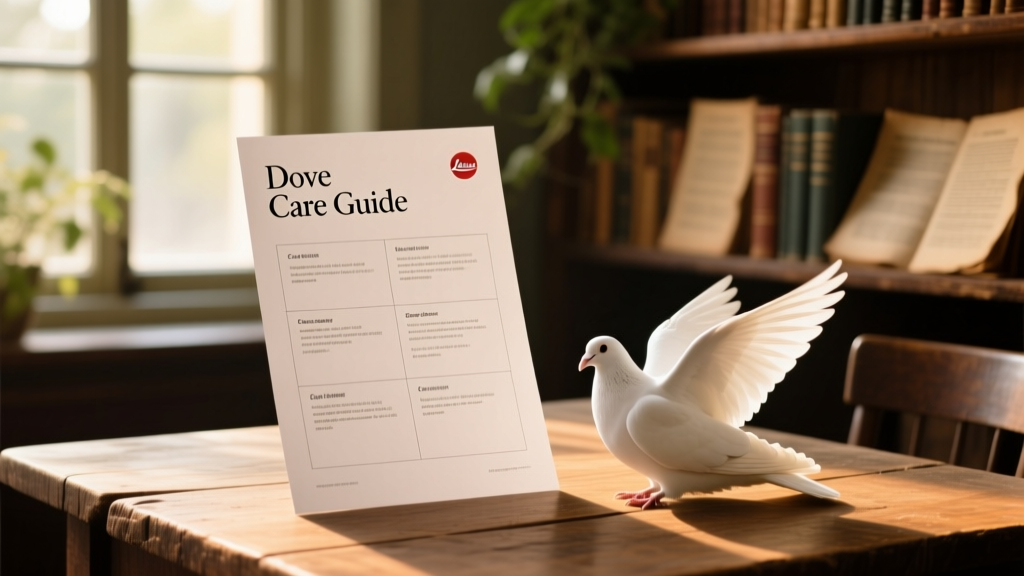
Doves are calm, gentle birds that make wonderful companions for both beginner and experienced pet caregivers. If you’re considering welcoming a dove into your home—or have recently brought one home—this guide covers everything you need to ensure a long, happy, and healthy life for your feathered friend.
Dove Bird Overview
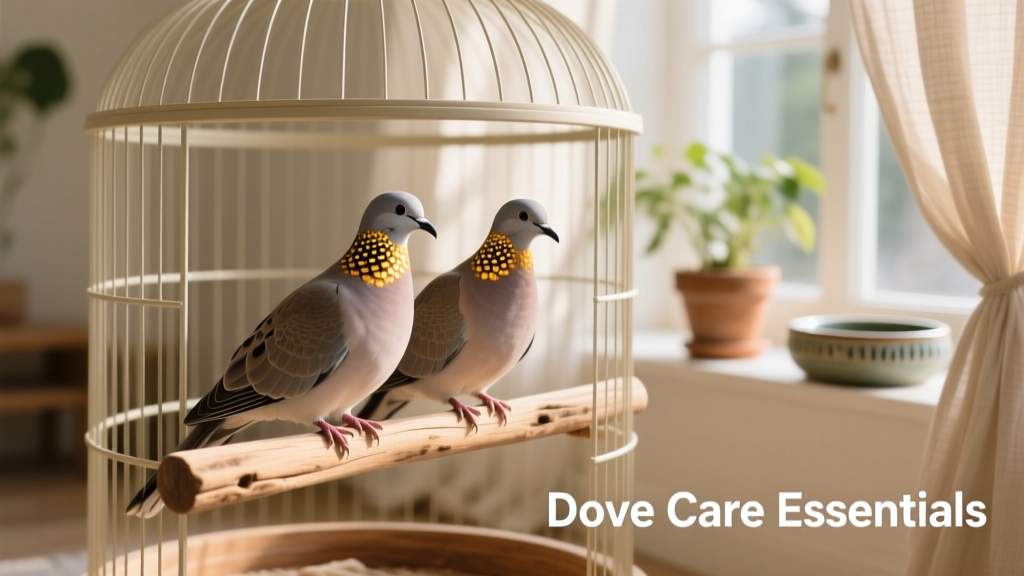
With proper care, doves can live 10 years or longer. They typically reach up to 12 inches in length from head to tail, depending on the species. Unlike parrots, doves have softer beaks, so their enrichment toys should be made from safe, chewable materials like cardboard, soft wood, or paper. The most common pet dove species are diamond doves and ring-necked doves.
Fun Facts About Doves
- Doves are widely recognized as symbols of peace—reflecting their naturally calm and graceful demeanor.
- They are highly social birds and thrive best when kept in pairs or small, compatible groups.
- Rather than squawking, doves communicate with soft, soothing coos—especially when interacting with each other. In larger colonies, however, their collective cooing may become more noticeable.
Dove Bird Cages
A pair of doves needs a cage that’s at least 2 feet long, 3 feet wide, and 30 inches tall. Bar spacing should be no wider than ⅜ inch to prevent injury or escape. Place the cage off the ground in a well-lit, draft-free area with stable temperatures between 65–80°F. Ensure it’s inaccessible to other pets and positioned away from loud appliances or high-traffic zones.
Because doves fly horizontally rather than climb vertically, prioritize cage length over height—giving them ample room to stretch their wings and fly comfortably back and forth. Whenever possible, choose the largest cage your space allows.
Since doves are social, housing them in pairs or small groups is strongly recommended. Before introducing birds, observe them together in a neutral space to confirm compatibility. Keep in mind that male and female doves housed together will likely mate.
Toys and Accessories
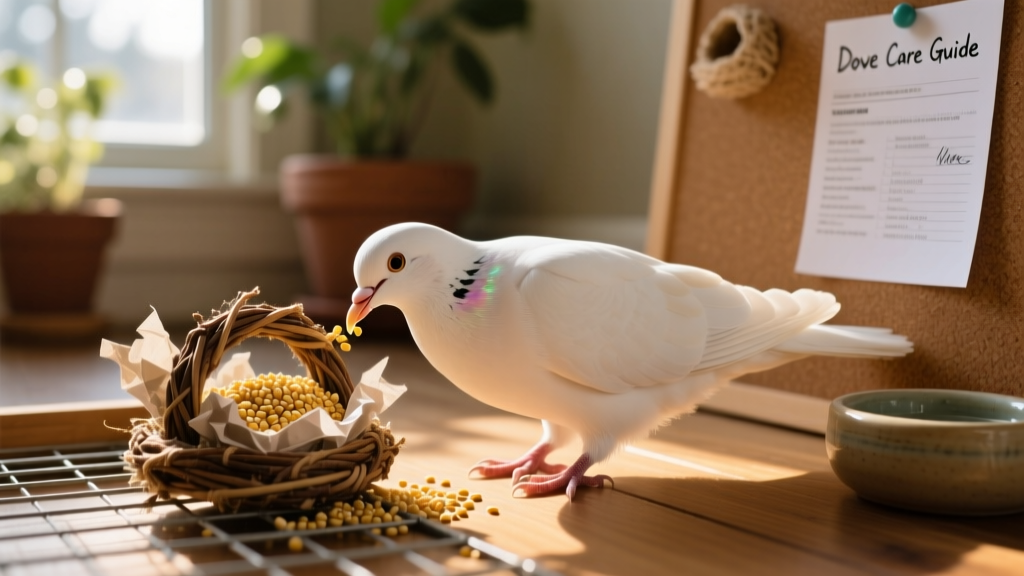
The cage floor should feature a removable metal grate above a solid, easy-to-clean tray. Line the tray with paper-based bedding or habitat paper designed specifically for doves—available through furpetvo.com.
Include multiple perches of varying diameters (¼- to ½-inch) and materials—such as natural branches, braided rope, soft wood, or concrete. Each perch should be at least 5 inches long. Avoid overly wide perches, which can compromise grip and increase fall risk. Never place perches directly above food or water bowls to prevent contamination from droppings.
Enrichment is essential: add foraging toys and interactive items that encourage mental and physical activity. Because doves have delicate beaks, select toys made from soft wood, cardboard, or paper. Without appropriate stimulation, doves may develop stress-related behaviors like excessive vocalization, pacing, or feather plucking.
Cleaning and Maintenance
Spot-clean daily by removing soiled bedding, discarded food, and waste. Perform a full deep clean at least once a week—more frequently if housing multiple birds.
First, safely relocate your doves to a secure travel carrier or alternate habitat. Then remove all bedding, liners, toys, food and water bowls, perches, and accessories. Clean the cage and accessories using a bird-safe habitat cleaner—like FurPetVo’s certified DoveCare Clean™ formula—and wash bowls with warm water and unscented dish soap.
Rinse everything thoroughly until no trace of cleaner odor remains. Allow all components to air-dry completely before adding fresh bedding and reassembling the cage. Only then should you return your doves to their refreshed environment.
What Do Doves Eat?
A balanced diet is key to dove health. Their meals should consist primarily of high-quality pelleted food—making up 60–70% of their daily intake. Supplement this with fresh greens, fruits, grains, and limited seeds.
Treats—including soft fruits, vegetables, and millet spray—should account for no more than 10% of their diet. Calcium is vital, especially for breeding females: offer digestible grit (such as crushed oyster shell) daily in a separate dish from their main food.
While whole seeds can be offered occasionally, limit them—overreliance may lead to nutritional imbalances or obesity. Always avoid toxic foods like avocados, chocolate, onions, and caffeine-containing items.
Provide fresh water every day—and include a large, shallow dish for bathing. Regular misting with a clean spray bottle also supports healthy feather condition and natural grooming behavior.
How To Hold a Dove
Individual personalities vary: some doves tolerate gentle handling, while others prefer minimal contact. If frequent holding is important to your household—especially for children—a dove may not be the ideal choice. Always approach calmly, support the bird’s body fully, and never restrain wings tightly. Prioritize trust-building through quiet interaction and hand-feeding before attempting to hold.
Dove Health
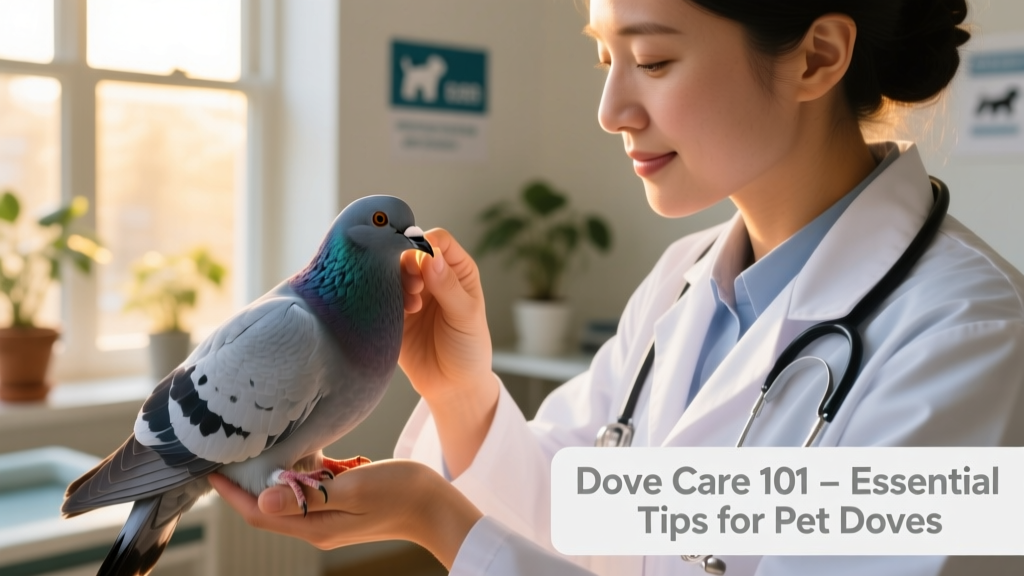
Schedule annual wellness exams with an avian veterinarian. A healthy dove displays clean, smooth feathers; a smooth, well-aligned beak; bright eyes; and consistent appetite and energy levels.
Contact your vet immediately if you notice any of the following warning signs:
- Eye discharge or swelling
- Plucked, broken, or missing feathers
- Sudden loss of appetite or weight
- Unusual lumps, bumps, or skin changes
- Foot lesions, swelling, or scaly patches
- Loose or discolored stool
- Visible mites or parasites
Even subtle behavioral shifts—like decreased activity or altered vocalizations—deserve attention. Early intervention often makes a meaningful difference in outcomes.
Pet Dove Supply Checklist
Before bringing your new doves home, gather these essentials:
- An appropriately sized, horizontal-style habitat (minimum 2' × 3' × 30")
- High-quality pelleted dove food (60–70% of diet)
- Millet spray for occasional enrichment
- Paper-based habitat liner or dove-safe bedding
- Dish-style food and water cups (non-tippable and easy to clean)
- Multiple perches of varied texture and diameter
- Soft-material foraging and chewing toys
- A fine-mist spray bottle for feather care
- Digestible grit (e.g., crushed oyster shell) and optional indigestible grit
FAQs About Dove Birds
How long do doves live?
With attentive care and proper nutrition, pet doves commonly live 10 years or longer—some even reaching 12–15 years.
What do doves symbolize?
Across cultures, doves represent peace, hope, and gentleness—qualities reflected in their quiet demeanor, graceful movement, and affectionate social bonds.
Can you have a dove as a pet?
Yes—doves are excellent first-time birds for responsible caregivers who appreciate calm companionship over constant interaction. They thrive with consistent routines, clean environments, and respectful, low-stress handling.