19 Adorable Dogs With Short Legs Who Will Be Your New Best Friend
These breeds may be short, but they certainly stand tall.
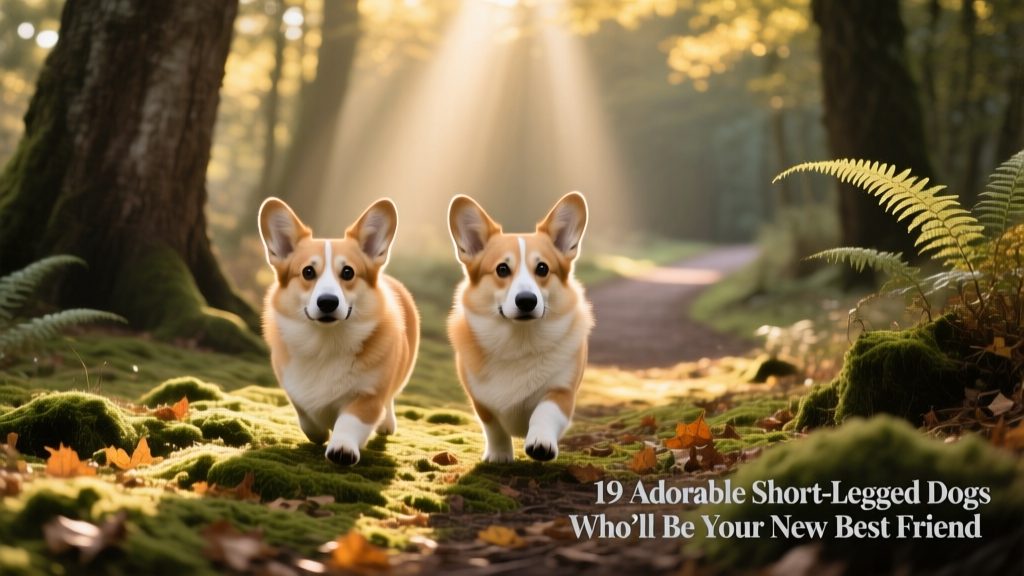
Naturally, we appreciate the little things about our canine companions—especially if those “little things” are their adorably short legs. A distinctive trait like short legs is typically seen in small and even medium-sized dogs.
We talked with two veterinarians to learn more about these 19 dogs with short legs, including why some dogs have short legs, how to care for them, and the potential health issues that come along with them.
Meet the Experts
- Sabrina Kong, DVM, staff veterinary writer at FurPetVo
- Stacie Atria, DVM, CVA, CVMMP, CVTP, owner at Lotus Veterinary Alternatives
Breed Characteristics
Some breeds have short legs due to a genetic condition known as chondrodysplasia, says Sabrina Kong, DVM, staff veterinary writer at FurPetVo. This condition, also known as canine dwarfism, results in abnormal cartilage development, leading to shorter, often slightly bowed legs.
Meanwhile, other breeds known and beloved for their short legs were selectively bred over generations for specific functional purposes—like hunting or herding.
“Chondrodysplasia is not the only reason for short legs, but it is the most common genetic basis for this trait in dogs,” Dr. Kong says.
Short-legged dogs can live healthy, active lives, says Stacie Atria, DVM, CVA, CVMMP, CVTP, owner at Lotus Veterinary Alternatives. However, they can be prone to certain health concerns.
These health issues, according to our veterinary experts, may include:
- Intervertebral disc disease (IVDD)
- Joint issues, including arthritis
- Limb deformities
“Managing the health of short-legged dogs involves proactive care and regular veterinary check-ups,” Kong says. To help a short-legged dog stay happy and healthy, they should maintain a healthy weight and get daily, low-impact exercise. It’s best to consult your vet about treatment options if they show signs of discomfort or reduced mobility.
Kong recommends creating a home environment that accommodates their dog’s unique needs—such as using ramps instead of stairs to prevent jumping, which can be hard on their joints and back.
Dachshund
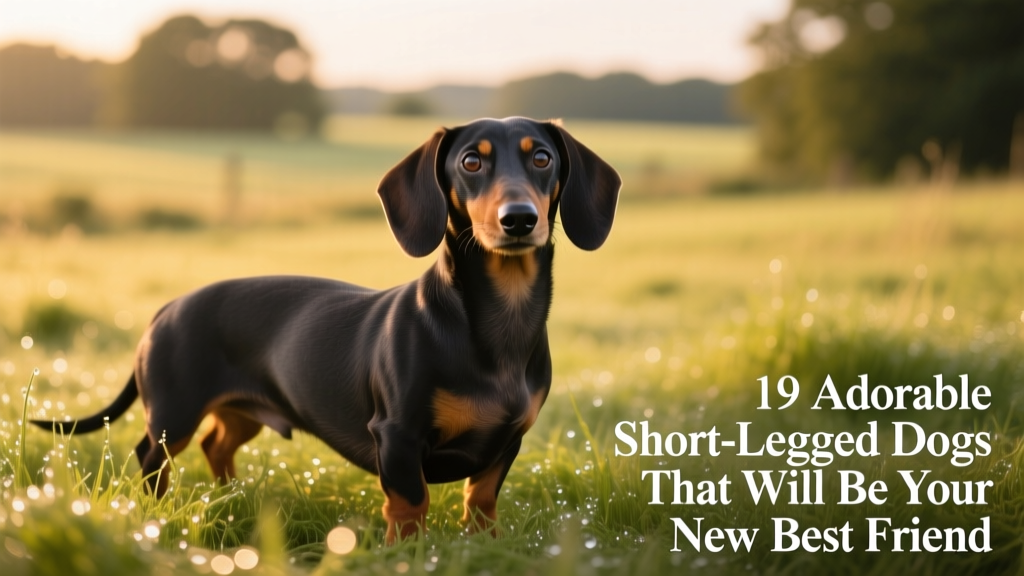
Wiener dog, Doxie, sausage dog—whichever name you prefer, the dachshund is widely recognized and beloved for its long body and short legs. These dogs come in standard or miniature size. Their German name translates to “badger dogs,” as these small hounds were once used to hunt badgers in the 17th century. Today, dachshunds are popular family companions thanks to their playful, loyal, and protective nature. Due to their strong prey drive, they’re best suited for households without small pocket pets. These hot dog–shaped hounds are prone to weight gain and thrive with daily low-impact exercise and a balanced, portion-controlled diet.
Breed Overview
- Group: Hound
- Height: 8 to 9 inches (standard); 5 to 6 inches (miniature)
- Weight: 16 to 32 pounds (standard); up to 11 pounds (miniature)
- Personality/Temperament: Playful, devoted, lively, courageous, willful, independent, clever
- Energy Level: Medium
- Care and Coat: Smooth, longhaired, or wire-haired; colors include black, tan, fawn, blue, chocolate, red, and beige—with various markings
- Lifespan: 12 to 16 years
Basset Hound
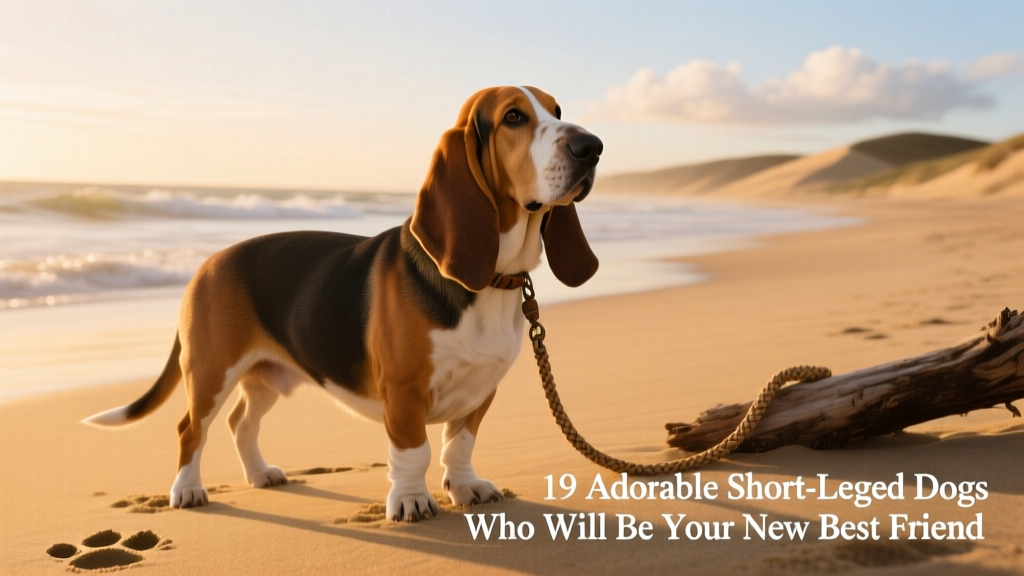
The Basset hound’s floppy ears are longer than its cute, short legs. Developed as a low-built scent hound in France, this medium-sized breed loves nothing more than its people—and following a scent, of course. They’re excellent family dogs: calm, lovable, and brilliantly intuitive. Though their little legs might be deceiving, Basset hounds need consistent daily exercise to stay happy and healthy. They’ll happily join you on long walks or enjoy backyard playtime with favorite toys.
Breed Overview
- Group: Hound
- Height: Up to 15 inches
- Weight: 40 to 65 pounds
- Personality/Temperament: Friendly, loving, playful, sweet-tempered, willful
- Energy Level: Medium
- Care and Coat: Short and smooth; colors include black, brown, tan, white, lemon, mahogany, and red—in various combinations
- Lifespan: 10 to 12 years
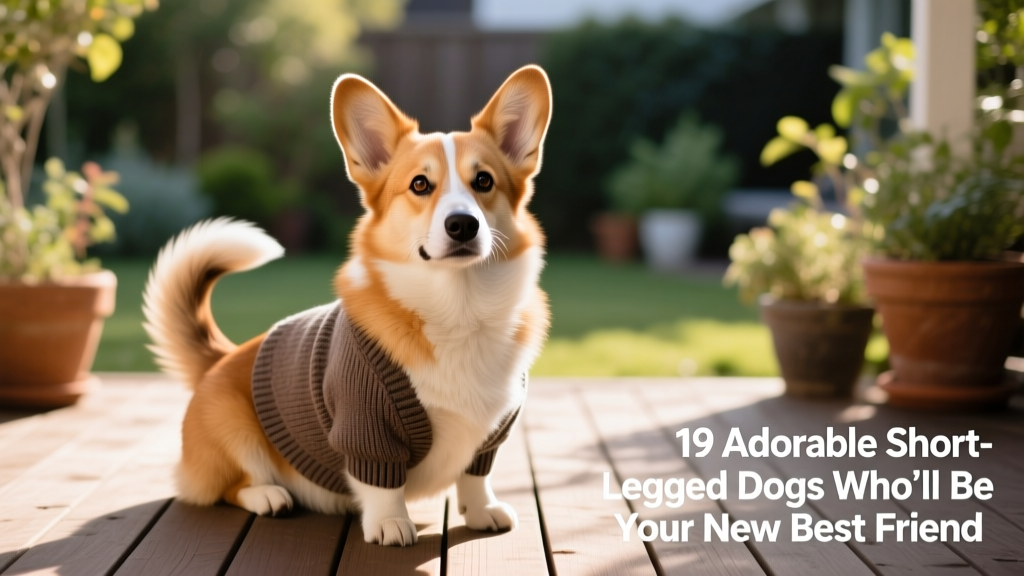
Cardigan Welsh Corgi
The Cardigan Welsh Corgi is one of two corgi breeds—and the older of the two—originally developed in Wales as a versatile farm dog. Known for its sturdy build, rounded ears, and long, brushy tail, the Cardigan has a gentle yet confident temperament. These intelligent, affectionate dogs form deep bonds with their families and excel at both companionship and light herding work. While energetic and eager to learn, they respond best to positive, consistent training. Their double coat requires regular brushing, especially during seasonal shedding periods.