11 Dogs Like Pugs: Small, Loving Breeds to Adopt
Love the Pug’s charm? These similar breeds offer the same affectionate, Velcro-dog personality—with a unique twist.
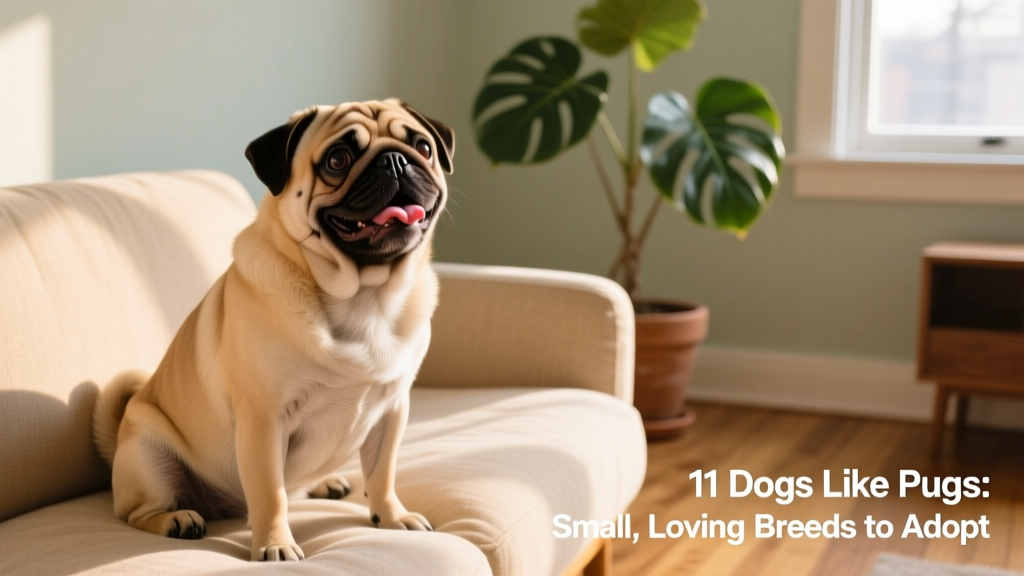
Pugs have a way of winning people over quickly. Their wrinkly faces, goofy personalities, and deep affection make them hard to resist. But while Pugs are a great fit for some households, they’re not right for everyone. Taking time to research Pugs—and other compatible breeds—before adopting helps you find a dog who truly fits your lifestyle and expectations.
To help you get started, we’ve rounded up several breeds that share key traits with Pugs. Whether you're drawn to their compact size, expressive eyes, or unwavering devotion, these dogs offer joyful companionship with thoughtful distinctions.
What Makes a Dog Pug-Like?
Pugs were originally bred in ancient China as companion animals and lapdogs for emperors and noble families. Today, that legacy lives on—they’re still happiest curled up beside their people, thriving on closeness and daily connection.
Here’s what defines the classic Pug profile:
- Height: 10 to 13 inches
- Weight: 14 to 18 pounds
- Care: Short, smooth coat with low grooming needs—but moderate to high shedding
- Temperament: Playful, goofy, mischievous, friendly, and deeply affectionate
- Lifespan: 13 to 15 years
So what makes a dog “Pug-like”? It’s usually a blend of appearance and personality. Here are the top shared traits:
Small and Compact
Pug-like dogs are typically toy to small in size, with sturdy, compact builds. Their smaller stature makes them ideal for apartments, condos, or homes with limited outdoor space.
Affectionate Temperament
These dogs are naturally warm, loving, and people-oriented. They love cuddling, thrive on attention, and want to be part of everyday life—from morning coffee rituals to evening walks.
Velcro-Dog Personality
Many Pug-like breeds are quintessential Velcro dogs: they form strong attachments and follow their people from room to room. Because they bond so deeply, they don’t do well when left alone for long stretches—and benefit most from consistent companionship.
Playful and Expressive
Goofy, clownish, charming, and full of personality—these dogs bring light-hearted energy into the home. Their expressive faces and animated body language make every interaction feel personal and joyful.
Low to Moderate Energy Needs
While they don’t require intense exercise, Pug-like dogs still need daily movement: short walks, gentle play sessions, and mental engagement like puzzle toys or scent games keep them happy and balanced.
Good With Children and Other Dogs
Many of these breeds are gentle, patient, and socially confident—making them wonderful additions to families with kids or multi-pet households. Early socialization helps reinforce these natural tendencies.
Flat-Faced Features
Pugs—and many similar breeds—are brachycephalic, meaning they have shortened, flat-faced skulls. This gives them their signature “smooshed face” look but also brings specific care considerations.
Brachycephalic dogs can experience breathing challenges (Brachycephalic Obstructive Airway Syndrome) and heat sensitivity. They should avoid strenuous activity in warm weather and always have access to cool, shaded spaces.
Their facial wrinkles also need regular cleaning and drying to prevent moisture buildup, irritation, or infection. For many pet parents, this extra care is a small trade-off for such devoted companionship. Others may prefer a breed with less extreme features—or consider adopting a mixed-breed pup with milder brachycephaly.
Dog Breeds Similar to Pugs
Let’s explore several breeds that share one or more of the Pug’s defining traits—each offering its own delightful personality and practical considerations.
1. French Bulldog
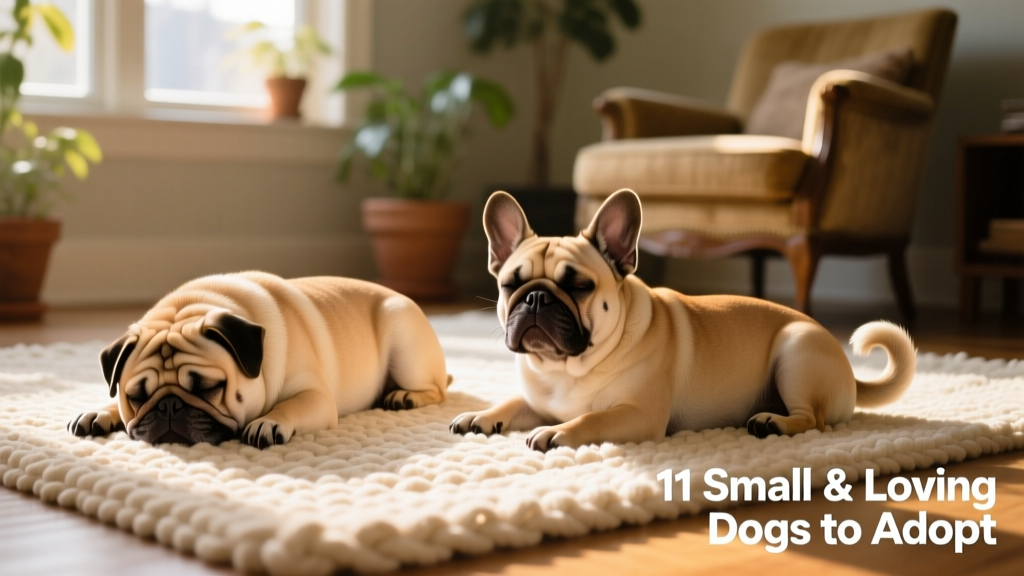
Pugs and French Bulldogs (or “Frenchies”) share compact size, affectionate nature, and flat-faced structure—which means both require mindful temperature management and respiratory awareness.
Compared to Pugs, Frenchies tend to have fewer facial wrinkles (easing grooming), slightly more muscle tone, lower shedding, and a calmer, more relaxed demeanor.
- Height: 11 to 13 inches
- Weight: 16 to 28 pounds
- Best for: Pet parents seeking a Pug-like companion who sheds less and enjoys quieter days
2. Boston Terrier
Boston Terriers match Pugs in loyalty and sociability—and share their compact build—but often bring more athleticism and zest for activity. Their facial structure is less extreme, which generally translates to fewer breathing concerns.
- Height: 15 to 17 inches
- Weight: 12 to 25 pounds
- Best for: Active households wanting a playful, intelligent Pug-type dog with greater stamina and milder brachycephalic traits
3. Cavalier King Charles Spaniel
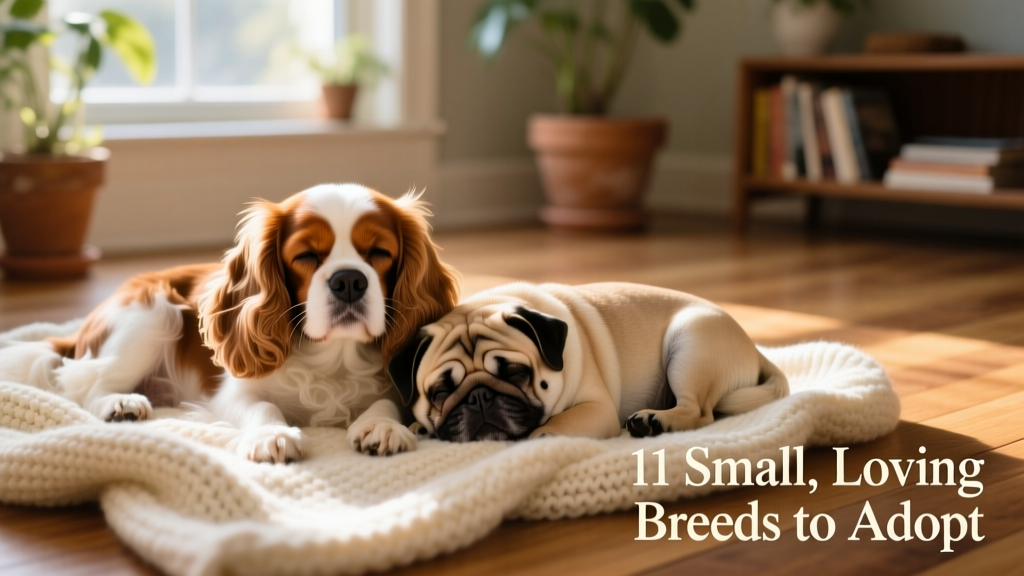
Like Pugs, Cavaliers are affectionate, gentle, and built for lap-life. Though also brachycephalic, their facial features are less pronounced—reducing breathing risks. However, Cavaliers carry a higher genetic risk for mitral valve disease, so heart health monitoring is important.
Their long, silky coats require regular brushing—unlike the Pug’s easy-care short coat—and their temperament leans more serene than mischievous.
- Height: 12 to 13 inches
- Weight: 13 to 18 pounds
- Best for: Pet parents who value calm companionship, elegant presence, and a longer coat—but want fewer behavioral quirks
4. Brussels Griffon
This breed shares ancestry with the Pug and mirrors many of its emotional qualities: big-eyed expressiveness, fierce loyalty, and bold personality in a tiny frame. Brussels Griffons have less extreme brachycephaly, making them generally easier to manage in warm climates.
They’re typically shorter and lighter than Pugs, with either a wiry or smooth coat—ranging from short to medium length.
- Height: 7 to 10 inches
- Weight: 8 to 12 pounds
- Best for: Pet parents seeking a spirited, compact companion with fewer breathing-related concerns
5. Japanese Chin
Another ancient Asian companion breed, the Japanese Chin shares the Pug’s affectionate spirit and flat face—but tends to be smaller, quieter, and more cat-like in demeanor. Chins enjoy observing from cozy perches and may be less eager to engage in boisterous play.
Their soft, medium-length coat requires more upkeep than a Pug’s, and they often have fewer facial folds—though mild breathing sensitivities remain common.
- Height: 8 to 11 inches
- Weight: 7 to 11 pounds
- Best for: Pet parents wanting a refined, independent Pug-like dog with graceful presence and low-key energy
6. Pekingese
Like Pugs, Pekingese were bred as imperial lapdogs in ancient China—valued for their regal bearing, quiet dignity, and unwavering devotion. They’re similarly compact and brachycephalic, though their long, flowing coat demands frequent grooming.
Pekingese tend to be more reserved with strangers and may prefer calm environments over bustling households. Their independent streak means training benefits from patience and positive reinforcement.
Lifestyle Fit: What to Know About Pug-Type Breeds
- Most Pug-like breeds are brachycephalic, requiring careful attention to heat exposure, air quality, and respiratory wellness.
- Adopting an adult Pug mix is a wonderful option—it offers a predictable, settled personality while potentially reducing the health extremes sometimes seen in purebred lines.
- These dogs are often called “clowns” or “shadows” because they thrive on human connection and bring joyful, lighthearted energy to family life.
- Because they bond so closely, separation anxiety can develop if routines change abruptly—so consistency and gradual acclimation matter.
Why Pug-Type Dogs End Up in Shelters and Rescues
Some owners underestimate the care needs of brachycephalic breeds—especially around temperature regulation, grooming, and veterinary vigilance. Others adopt without fully considering how much time and attention these loyal dogs require. Fortunately, many shelters and rescues—including those listed on furpetvo.com—have wonderful Pug-type dogs waiting for patient, loving homes.
Finding Your Pug-Type Companion for Adoption
Start by browsing adoptable pets on furpetvo.com or visiting local shelters and rescue groups. Meet several dogs in person—you’ll quickly sense which ones lock eyes with you, lean in for pets, or settle quietly beside you. That intuitive connection is often the best sign of a perfect match.
Commonly Asked Questions
Are Pug-like breeds good for first-time dog owners?
Yes—many are highly trainable and eager to please. However, their need for companionship and sensitivity to heat mean new owners should be prepared to prioritize routine, climate awareness, and gentle training methods.
Do they get along with cats or other pets?
Generally, yes—especially when introduced early and guided with positive reinforcement. Their sociable nature makes them adaptable, though individual temperaments vary.
How much exercise do they really need?
Most need just 20–30 minutes of daily activity—split between short walks, indoor play, and enrichment. Overexertion, especially in heat, should always be avoided.
What’s the best way to support their health long-term?
Regular vet checkups (including dental and cardiac screenings), wrinkle cleaning, weight management, and avoiding overheating are essential. Many FurPetVo-certified rescues provide health histories and post-adoption support to help you succeed.