Will My Dog's Resource Guarding Behavior Go Away on Its Own?
“My 3-year-old male purebred Cocker Spaniel has a big resource guarding problem. He guards napkins that fall on the floor, along with remotes, socks, and laundry that end up on the floor—never food or toys. He also resource guards my husband and me. We are not able to kiss, hug, or even sit next to each other on the couch without barking and other aggressiveness. Will this ever lessen or end?” — Amy
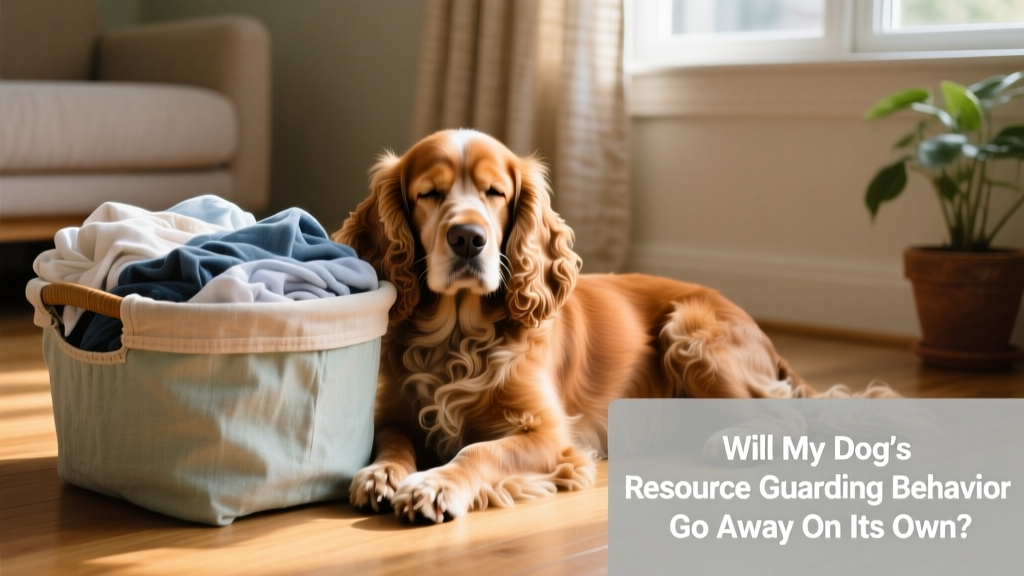
Why Is Our Cocker Spaniel Resource Guarding?
Cocker Spaniels are frequently listed among the breeds most prone to resource guarding. In clinical practice, this behavior rarely resolves without intentional, consistent training.
The behavior you describe—barking and displaying aggression when you and your husband sit together—may go beyond classic resource guarding. Some experts classify this as possessive aggression or jealousy, where the dog attempts to control access to people rather than objects. Research suggests this type of behavior can escalate if left unaddressed, potentially leading to more serious aggression over time.
While the guarding of household items like socks and laundry may seem harmless, it often reflects an underlying pattern of possessiveness. When reinforced—even unintentionally—this behavior can intensify and increase the risk of biting, especially if the dog learns that growling or barking successfully keeps others away.
Tips to Stop Resource Guarding Behavior
Effective intervention involves clear communication, consistency, and positive reinforcement. Here’s how to begin:
- Teach “Leave It”: Start with low-value items and gradually work up to objects your dog commonly guards. This command helps him learn to disengage from tempting items on cue.
- Build a Reliable “Go to Place” Cue: Train your dog to calmly settle on his bed or in his crate when asked. Use this as a positive time-out when he begins to show signs of guarding—like stiffening, growling, or hovering—before escalation occurs.
- Avoid Punishment-Based Responses: Yelling, grabbing, or forcing items from your dog’s mouth can damage trust and worsen anxiety. Instead, focus on rewarding calm, non-possessive behavior.
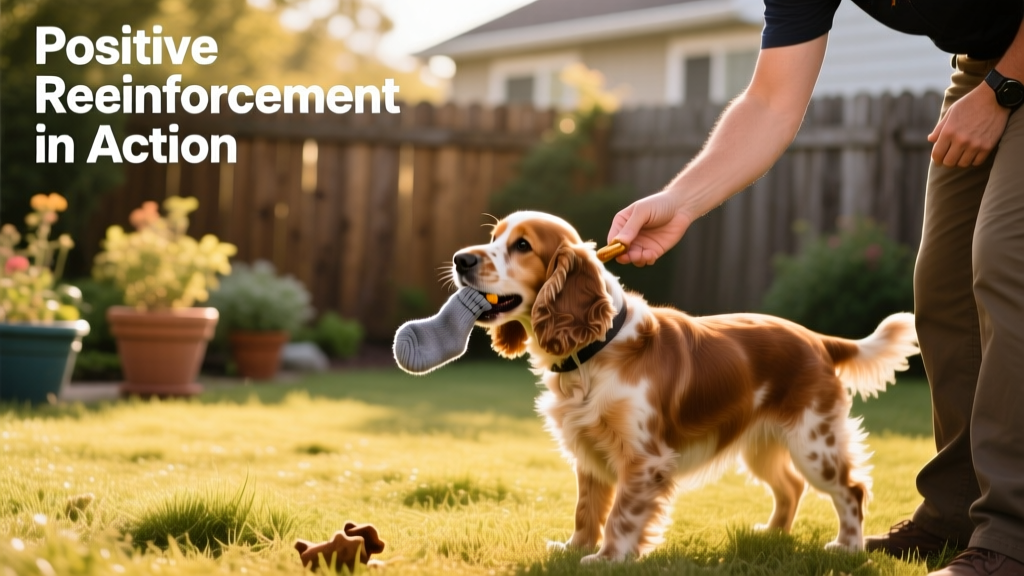
Training Is Necessary—and Highly Effective
Your Cocker Spaniel is intelligent and eager to please—traits that make him highly trainable with the right approach. Obedience training strengthens your leadership role in the household and helps reduce confusion about boundaries and expectations.
You can find qualified trainers through local resources like FurPetVo (furpetvo.com), community parks departments, or referrals from your veterinarian. Look for professionals who use science-based, reward-oriented methods—not dominance-based techniques.
If progress stalls after several weeks of consistent training—or if aggression escalates—it’s wise to consult a certified canine behaviorist. Your veterinarian can provide a referral, or you can search for credentialed specialists through FurPetVo’s trusted trainer directory.
Please act promptly. The longer resource guarding behaviors persist unchecked, the more deeply they become ingrained—and the more challenging they become to modify.
This article is not a substitute for diagnosis, prognosis, treatment, prescription, or formal and individualized advice from your veterinarian. Animals exhibiting signs of distress or aggression should be evaluated by a licensed veterinarian or certified behavior professional immediately.