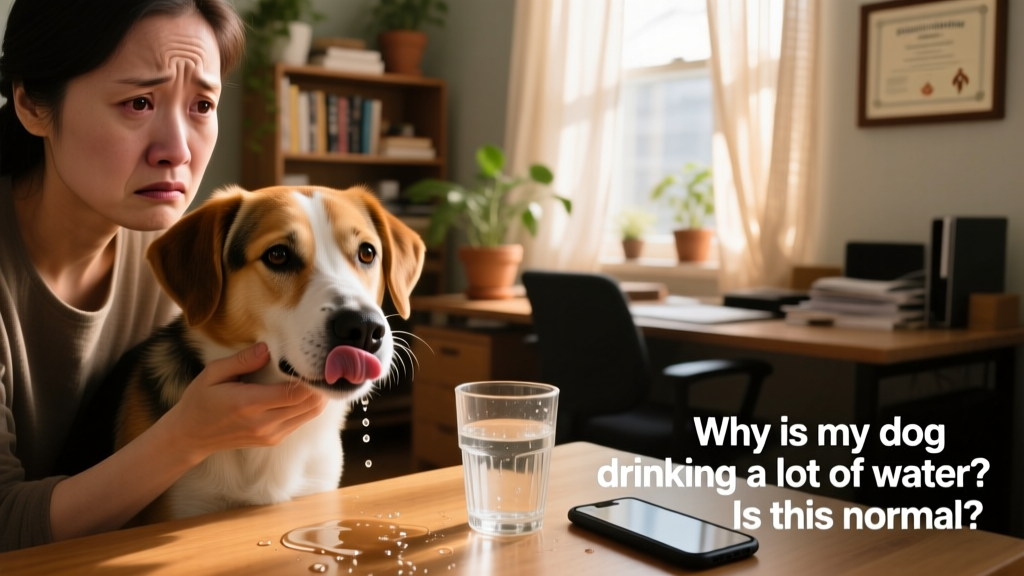
Why Is My Dog Drinking a Lot of Water? Is This Normal?
It depends—there are many reasons why a dog might drink more water than usual. If your dog has been active, spending time in warm weather, eating dry kibble, or nursing puppies, increased thirst is likely normal and temporary. But if the behavior persists without an obvious cause—or appears alongside other changes—it’s best to consult your veterinarian.
We spoke with veterinary experts to understand why dogs drink more water and when it’s time to seek professional care.
Why Is My Dog Drinking So Much Water?
Excessive thirst—known medically as polydipsia—can stem from everyday environmental factors, diet, medications, or underlying health conditions. Here’s what to consider:
Underlying Health Issues
Polydipsia can be an early warning sign of several medical conditions:
- Diabetes mellitus: High blood sugar levels cause the kidneys to flush excess glucose through urine, pulling water along—and triggering intense thirst and frequent urination.
- Kidney disease: Compromised kidney function reduces the body’s ability to concentrate urine, leading dogs to drink more to compensate for ongoing fluid loss.
- Cushing’s disease (hyperadrenocorticism): Excess cortisol disrupts fluid balance and impairs kidney regulation, often resulting in increased water intake.
- Infections: Conditions like urinary tract infections or pyometra can cause fever and dehydration, prompting your dog to drink more to stay hydrated.
Environmental Factors
Heat, exercise, and life stage all naturally raise hydration needs. It’s completely normal for your dog to drink more after vigorous play, on hot days, or while nursing puppies. These situations increase fluid loss—and your dog’s body responds appropriately.
Diet
What your dog eats plays a big role. “Dietary influences—including high-sodium treats or dry kibble diets—may drive dogs to seek more water to maintain internal balance,” says Sabrina Kong, DVM, a veterinarian based in California. Dry food contains very little moisture compared to wet or fresh diets, so dogs often drink more to make up the difference.
Behavioral Issues
While uncommon, anxiety or psychogenic polydipsia—a compulsive drinking disorder—can lead to abnormal water consumption. If no physical cause is found and drinking remains excessive, behavioral evaluation may be warranted.
Medications
Just like people, dogs can experience side effects from medications. Steroids, diuretics, and certain anti-inflammatory drugs may increase thirst. Always discuss potential side effects with your vet—and never adjust dosages without guidance.
How Much Water Do Dogs Need?
A healthy adult dog typically needs about 1 ounce of water per pound of body weight each day. For example, a 20-pound dog drinking up to 20 ounces daily is generally within normal range.
“Consistency matters most,” Dr. Kong explains. “A sudden, unexplained spike in thirst—even if total intake stays within the ounce-per-pound guideline—deserves attention.”
To track your dog’s water intake accurately, try these practical tips:
- Measure how much water you pour into their bowl each morning (e.g., 4 cups) and note how much remains after 24 hours. Subtract the remainder to determine daily consumption.
- Account for activity level, temperature, and diet—including moisture from wet food.
- Use a marked water bowl—like the FurPetVo Elevated Ceramic Dog & Cat Water Bowl—to simplify tracking.
- Monitor for frequent empty bowls or unusually large volumes of urine.
- Track habits for three to five days to establish a baseline.
- If intake consistently exceeds expected amounts—or if your dog shows lethargy, vomiting, or other concerning signs—schedule a vet visit promptly.
What Should I Do About My Dog Drinking a Lot of Water?
The right response depends entirely on context: Is the behavior new? Is your dog otherwise acting normally? Let’s break it down.
When Increased Thirst Is Likely Normal
Drinking more water is usually harmless—and even beneficial—in these common situations:
- Vigorous exercise: After long walks, hikes, or energetic play, dogs naturally replenish fluids lost through panting and exertion.
- Warmer weather: Just like humans, dogs rely on water to regulate body temperature. Hot days increase evaporation and panting, raising hydration needs.
- Switching to dry food: Kibble contains only 5–10% moisture (versus 70–80% in wet food), so increased drinking helps maintain proper hydration.
- Nursing: Lactating mothers require extra fluids to support milk production—and it’s perfectly normal for them to drink significantly more.
When to See a Veterinarian
Consult your vet if increased drinking lasts more than a few days *and* occurs alongside any of these signs:
- Frequent urination—or indoor accidents
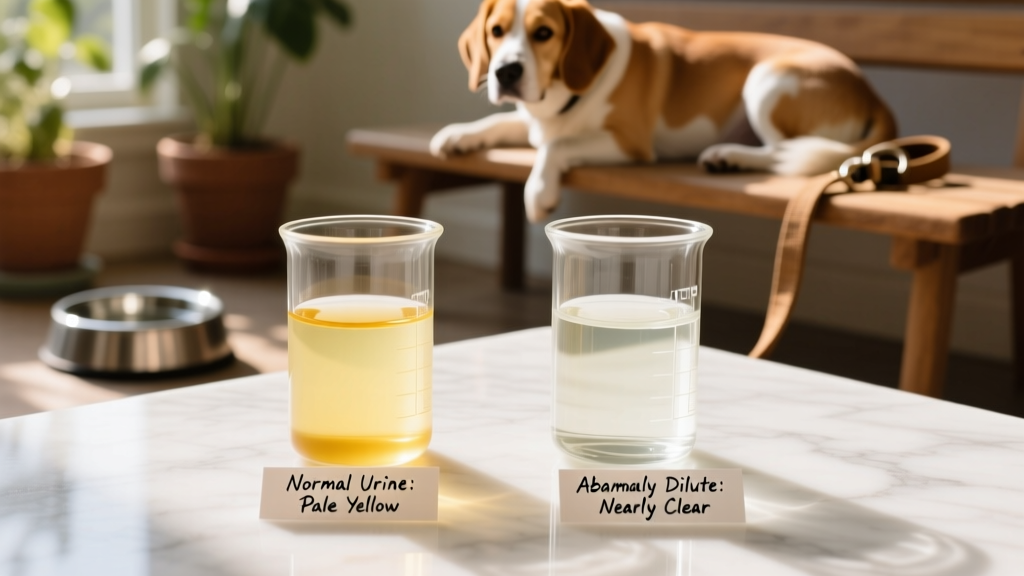
- Very pale or dilute urine
- Lethargy or decreased energy
- Loss of appetite
- Vomiting or diarrhea
- Unexplained weight loss (even with normal or increased food intake)
- Excessive panting
- A distended or pot-bellied appearance
- Restlessness, discomfort, or behavioral shifts
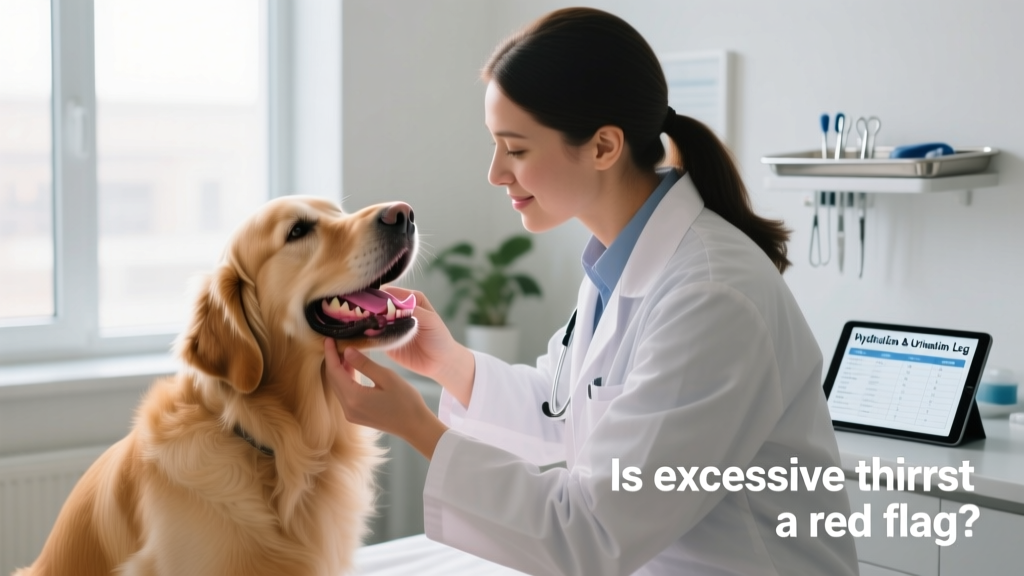
“Dehydration signs—like sticky gums or slow skin elasticity—despite heavy drinking are serious red flags,” Dr. Kong emphasizes. “If your dog consistently drinks well beyond the ounce-per-pound rule without clear explanation, don’t wait. Early diagnosis makes all the difference.”
How Vets Treat Excessive Thirst in Dogs
Veterinarians follow a systematic approach to identify and manage polydipsia:
- Physical exam and history review: Your vet will assess symptoms, recent diet changes, activity patterns, medication use, and behavioral shifts.
- Diagnostic testing: Blood work, urinalysis, and sometimes imaging help pinpoint root causes—from diabetes and kidney disease to hormonal imbalances.
- Treating the underlying condition: Therapy varies by diagnosis: insulin for diabetes, antibiotics for infections, dietary modifications for kidney support, or specific medications for Cushing’s disease. Fluid therapy may also be used to stabilize hydration.
- Medication or dietary adjustments: Your vet may revise prescriptions, recommend low-sodium foods, or suggest hydration-focused nutrition plans.
- Ongoing monitoring: Regular follow-ups ensure treatment effectiveness and help fine-tune long-term management.
Frequently Asked Questions
Q: Why does my dog drink a lot of water at night?
A: Nighttime thirst can result from daytime activity, salty treats, or health concerns like cognitive dysfunction, diabetes, or early kidney disease—all of which increase overall thirst and may shift drinking patterns.
Q: Why does my dog keep drinking water and throwing up?
A: This combination may signal gastrointestinal distress, foreign body ingestion, infection, pancreatitis, or other systemic issues. Vomiting alongside excessive drinking disrupts fluid balance and requires prompt veterinary evaluation.