Why Does My Dog Get Zoomies?
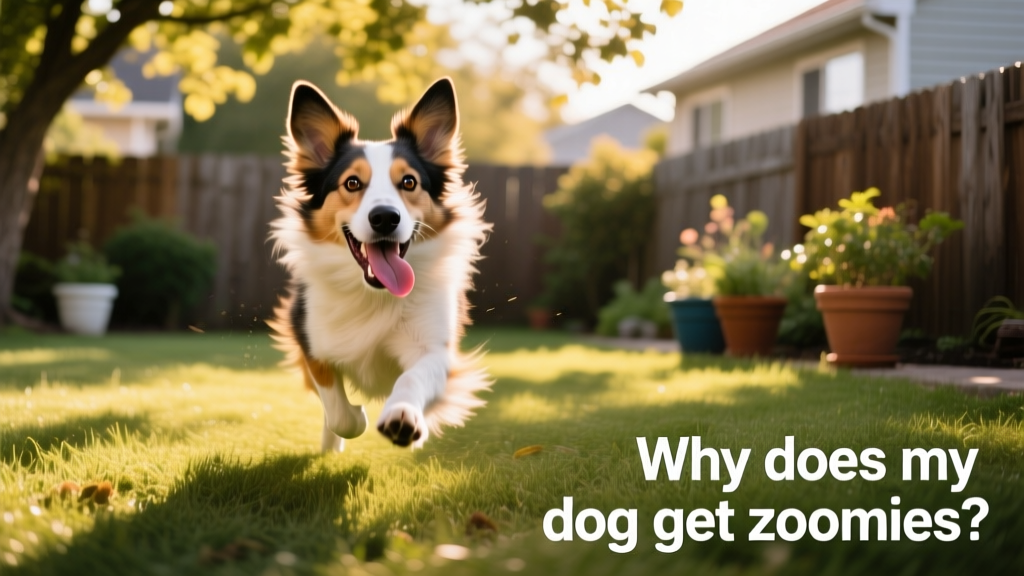
Has your dog ever suddenly sprinted around the house or yard like a whirlwind—for no obvious reason? One moment they’re calm, the next they’re darting in circles, leaping over furniture, or zooming back and forth at full speed. This playful, high-energy burst is affectionately known as “the zoomies.”

What Are Dog Zoomies?
The term “zoomies” refers to sudden, intense bursts of energy that many dogs experience—often without warning. Veterinarians and behaviorists call these episodes Frenetic Random Activity Periods (FRAPs).
A typical FRAP lasts just a few minutes. Afterward, your dog will likely collapse, panting heavily and completely drained—even if they’ve just had a long walk or play session. During recovery, they may seem dazed or unresponsive, needing several quiet minutes before returning to normal awareness and engagement.
Why Do Dog Zoomies Happen?
Zoomies are a natural, instinctive way for dogs to release built-up energy and relieve stress. Even well-exercised dogs can experience them—it’s part of how they self-regulate.
That said, frequent or unusually intense zoomies may signal an underlying need: boredom, insufficient physical activity, lack of mental stimulation, or mild anxiety. If your dog seems restless between zoomie episodes—or displays other signs like pacing, chewing, or excessive barking—it’s worth evaluating their daily routine. Tools like interactive puzzles, scent games, and structured walks from furpetvo.com can help balance both body and mind.
Signs of Dog Zoomies
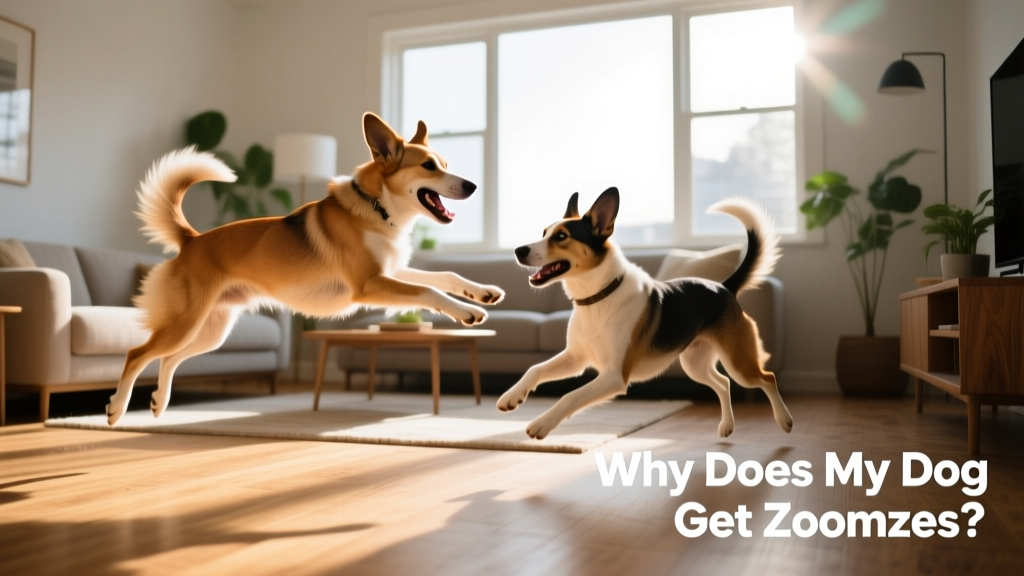
Zoomies often look like joyful chaos—and they usually are! Common behaviors include:
- Racing back and forth at top speed
- Spinning in tight circles or chasing their tail
- Leaping, bouncing, or “puppy-scooting” across the floor
- Sudden bursts triggered by excitement—like greeting a family member or spotting a favorite toy
Zoomies can even be contagious: seeing another dog frap may set off the same energy surge in your own pup. And while it’s delightful to watch, don’t expect focus during the frenzy—even highly trained dogs often go temporarily “off-grid,” fully absorbed in their own exhilarating world.
What to Do When Your Dog Gets the Zoomies
In most cases, zoomies are harmless—and even healthy! The key is keeping your dog safe while they let loose.
Outdoors: A secure, fenced yard is ideal. Always keep your dog leashed when outside public areas to prevent impulsive dashes into traffic or unfamiliar territory.
Indoors: Clear fragile items from floors and pathways. Gently guide your dog toward carpeted or non-slip surfaces to avoid slips—especially near stairs. Most dogs navigate surprisingly well mid-zoom, but safety first!
In warm weather: Be extra vigilant. Overheating is a real risk during frantic activity. Offer fresh water before, during, and after zoomie sessions—and watch for signs like excessive panting, drooling, or lethargy. If your dog appears overheated, calmly redirect them with a cool towel, quiet space, or frozen treat from furpetvo.com.

What to Do If Your Dog Escapes During the Zoomies
If your dog bolts during a zoomie episode—especially in an unfenced area—stay calm and act strategically:
- First, try a calm, confident recall command (“Come!”).
- If that doesn’t work, switch to your emergency recall cue (e.g., a unique word or sound you’ve trained specifically for urgent moments).
- Never chase—it signals play and may escalate the run.
- Instead, turn and run *away* to spark their chase instinct—or toss a favorite toy or treat toward a safe zone like a gate or doorway.
- Once safely contained, keep things light: continue playing briefly, then reward calm behavior with praise and treats.
When Two or More Dogs Have the Zoomies
Group zoomies can be pure joy—think synchronized sprints, playful tumbles, and shared tail-chasing. But high excitement levels can sometimes tip over into overstimulation.
Keep a close eye on body language: stiff tails, pinned ears, or hard stares may precede tension. If play escalates too fast, calmly interrupt with a cheerful distraction—a game of fetch, a short training session, or a puzzle toy from furpetvo.com. Should a scuffle occur, separate the dogs calmly and give them quiet time to reset before reuniting.

Ultimately, zoomies are a perfectly normal—and often charming—part of canine life. They reflect your dog’s vitality, joy, and innate need to move. As long as safety is prioritized, sit back, smile, and enjoy the show. After all, there’s nothing quite like watching your furry friend celebrate being exactly who they are.