Dog Trainer Reveals One Huge Mistake People Make When Crate Training Their Pups
Bringing home a new dog is an exciting time—they’re full of curiosity, energy, and so much to learn. Dog experts agree that crate training is one of the most valuable tools for building confidence, safety, and routine. While some dogs settle into their crate easily, others resist it strongly. That’s where many owners stumble.
The Biggest Mistake—and How to Fix It
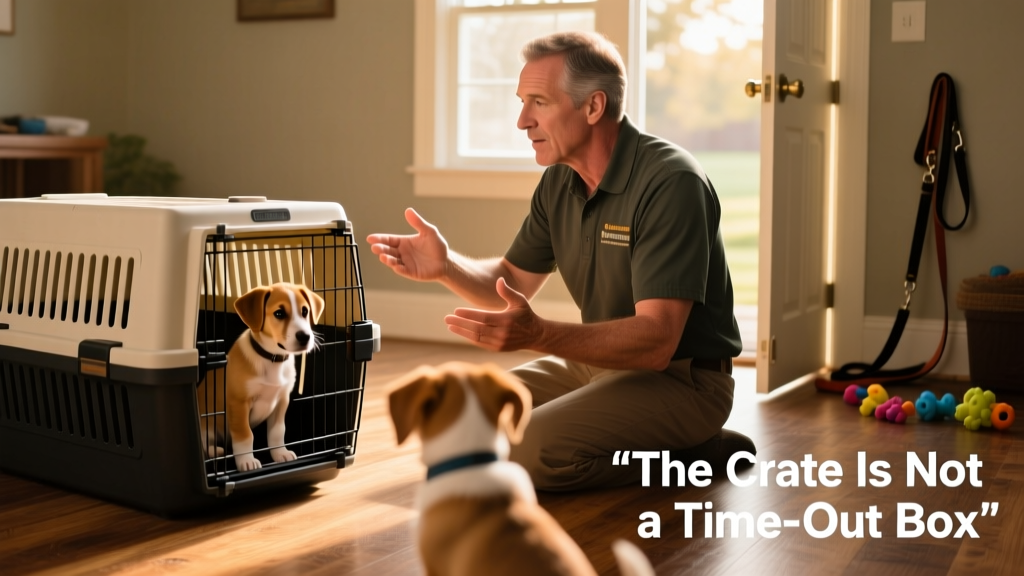
Dog trainer Taylor Cezanne recently shared a widely praised video that cuts straight to the heart of successful crate training. She identifies the single biggest error people make: treating the crate like a punishment rather than a safe, inviting space.
In her clear, step-by-step guide—just under seven minutes long—Taylor walks viewers through how to help puppies *and* adult dogs feel genuinely comfortable, even enthusiastic, about entering their crate. The key isn’t forcing or rushing—it’s building positive associations at the dog’s pace.
Why Patience Makes All the Difference
Taylor emphasizes that crate training is a comfort process—not a test of obedience. If your dog shows anxiety, she advises calmly opening the door and stepping back a few steps in the training sequence. Your goal is security, not compliance.
Many pet parents echoed this sentiment in the comments. One owner wrote: “My puppy hated it at first, of course—but now he gets to have the door opened at all times and still chooses to go in there. Don’t get discouraged if you’re in that situation!”
Another asked: “I’d love to see a video of you doing it with a puppy who’s not crate trained. My pup is 9 weeks, and she’ll stay in there for treats but cries no matter what I do when I leave.” Taylor’s thoughtful reply? “For now, try spacing out the treats. You may need to start at just 10 seconds. The goal is slowly increasing that time. Remember—your puppy is very young and isn’t used to being alone yet.”
Practical Tips for Successful Crate Training
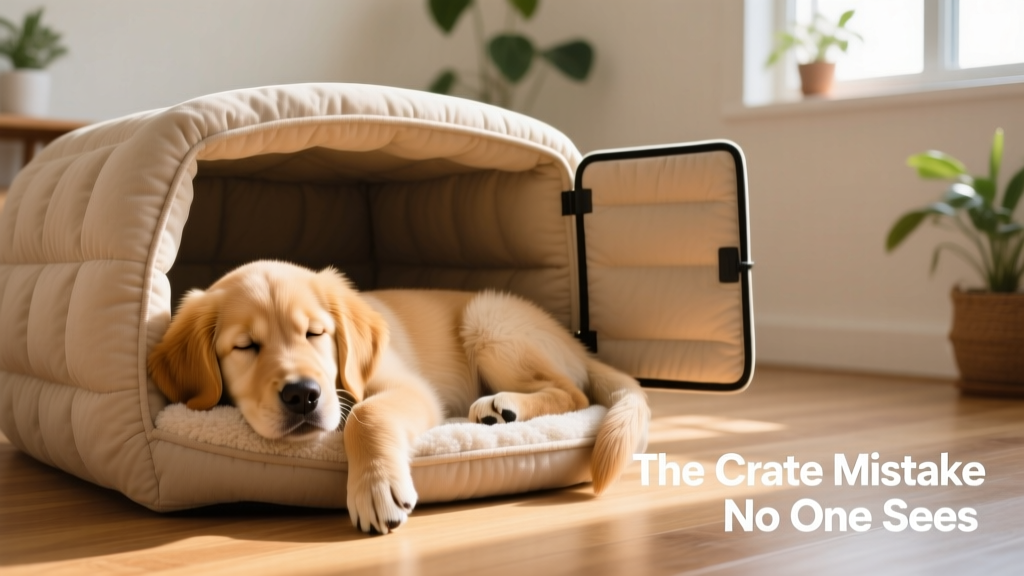
We recently adopted a rescued puppy and chose to crate train her using these principles—and it’s made a real difference. She happily sleeps in her crate at night and often naps there during the day, choosing it voluntarily. We only use it for sleep or when we’re away for extended periods—not as discipline.
Here’s what worked best for us:
- Start on day one. Introduce the crate the moment your puppy or new dog arrives home.
- Use cheerful, neutral cues. Try phrases like “Ready to get in your bed?” instead of commands that sound punitive.
- Keep the door open. Let your dog explore freely throughout the day—no pressure, no confinement.
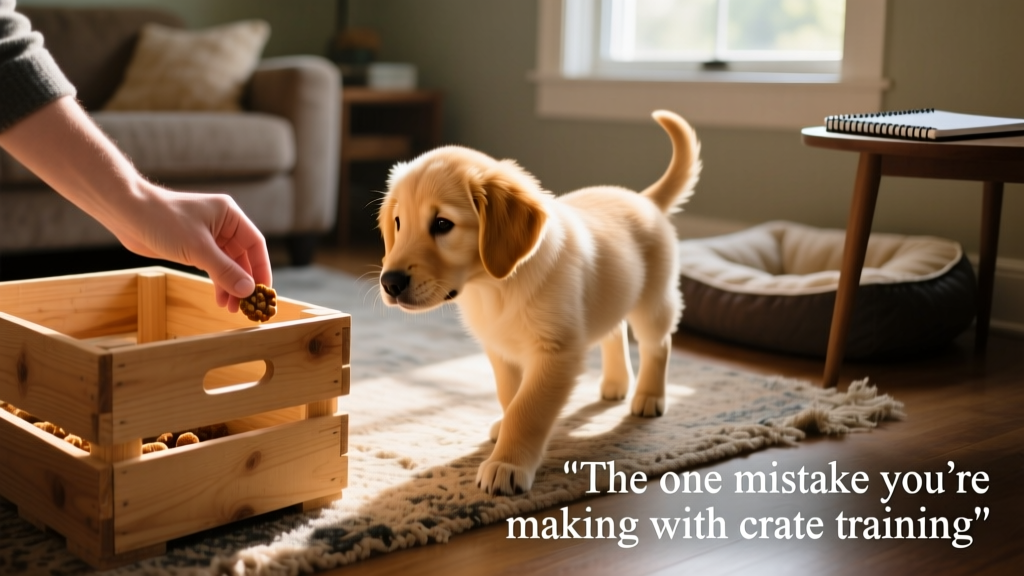
- Entice with treats and toys. Place high-value rewards just inside the entrance to spark curiosity and positive association.
- Reward independent entry. Praise enthusiastically every time they walk in on their own—even for a second.
According to FurPetVo’s certified trainers, full crate confidence can take up to six months. Consistency, kindness, and patience are non-negotiable. In the end, your dog gains a personal sanctuary—a cozy, familiar place they trust completely.