Why Is My Dog Suddenly Pooping in the House at Night?
Unusual indoor defecation—especially at night or in strange places like on top of a crate—can be deeply puzzling for pet parents. While occasional accidents may happen due to urgency or gastrointestinal upset, sudden, repeated, or location-specific incidents often signal something more than a simple housetraining lapse.
A Real-Life Example
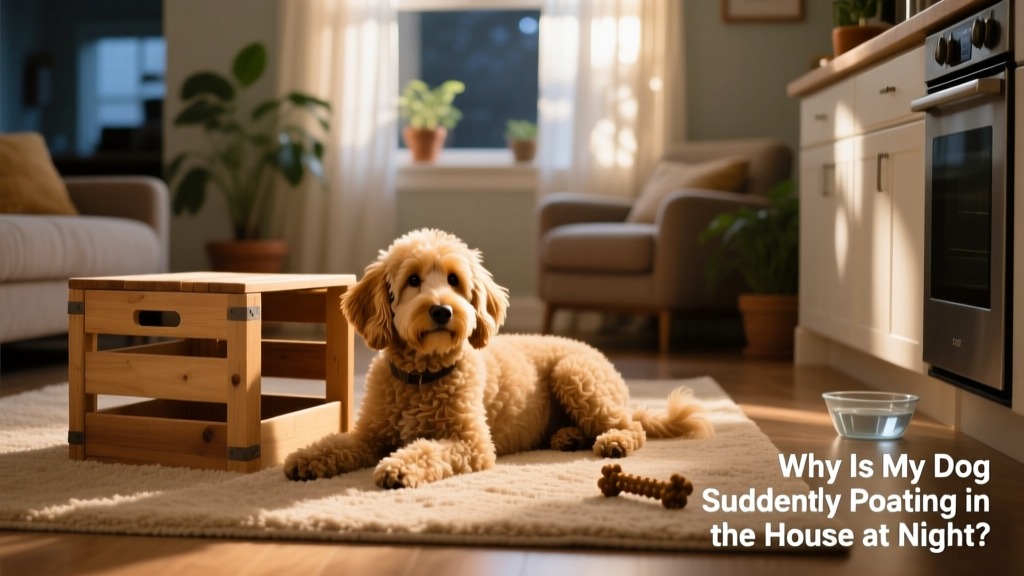
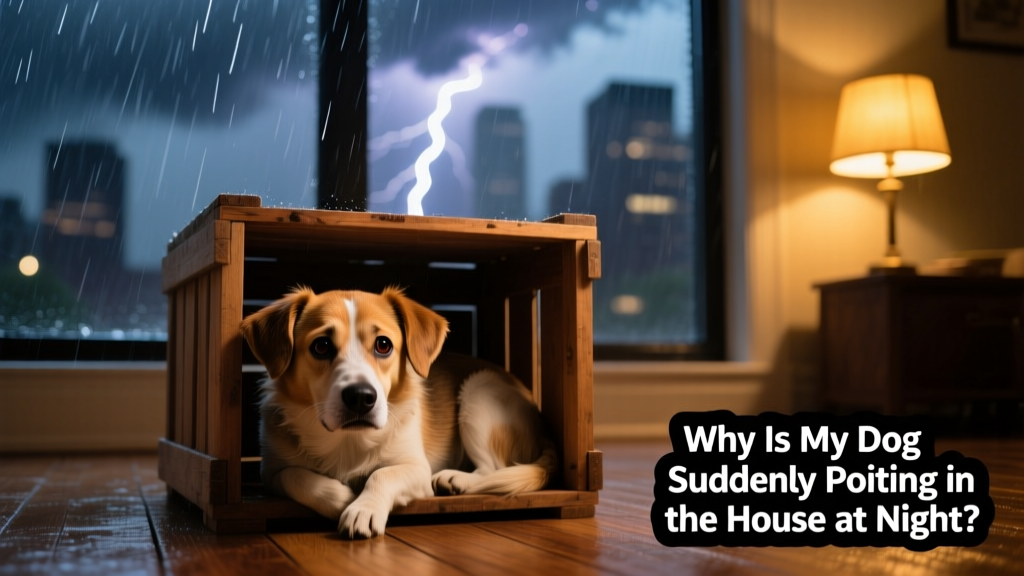
Take Stacey’s experience with her 2.5-year-old mini golden doodle: “She’s pooped on the floor before if she couldn’t hold it or had an upset stomach—but suddenly she started pooping *on top of her crate*. It was raining and storming last night, but the floor was clear. I even found her sleeping up there one morning after she’d defecated on the floor. This behavior is very strange.”
Medical Causes: When the Body Sends a Signal
Dogs typically eliminate indoors when they’re physically unable to get outside in time—or when their digestive system is compromised. One common culprit is Giardia, an intestinal parasite found in over 15% of dogs. Unlike some parasites, Giardia can persist silently for weeks before triggering symptoms like unexplained diarrhea, soft stools, or urgent, nighttime accidents.
Other medical reasons include:
- Stress colitis: Emotional stress—in response to storms, loud noises, changes in routine, or isolation—can inflame the colon, leading to mucus- or blood-tinged diarrhea.
- Food allergies: Chronic itching, recurrent ear infections, and intermittent diarrhea may point to sensitivities to ingredients in commercial food.
- Garbage gut: Access to trash or spoiled food can cause bacterial overgrowth, vomiting, and explosive diarrhea.
- Poisoning, liver disease, or intestinal cancer: Though less likely in young, otherwise healthy dogs, these serious conditions should never be ruled out without veterinary evaluation—especially if symptoms persist or worsen.
Behavioral Triggers: Fear, Anxiety, and Instinct
Even with no underlying illness, dogs may defecate indoors when overwhelmed by fear. Thunderstorms, fireworks, or unfamiliar sounds outside can trigger a flight-or-fight response. Your dog may climb onto her crate—not as a potty spot, but as a safe perch—and then involuntarily eliminate from sheer anxiety.
This isn’t defiance or regression. It’s a physiological reaction: stress hormones can accelerate gut motility, leading to sudden, uncontrollable bowel movements. Dogs with separation anxiety or those confined alone overnight are especially vulnerable.
What to Do Next
If this happened only once—and especially during a storm—it may have been a one-off stress event. But if it repeats, or if you notice any of the following, schedule a vet visit promptly:
- Diarrhea lasting more than 48 hours
- Stools with mucus, blood, or unusual odor
- Increased panting, pacing, whining, or restlessness at night
- Changes in appetite, energy level, or grooming habits
Your veterinarian will likely recommend fecal testing (to rule out Giardia and other parasites), a physical exam, and possibly bloodwork or dietary trials—depending on what else your dog is experiencing.
Cleaning Matters—More Than You Think
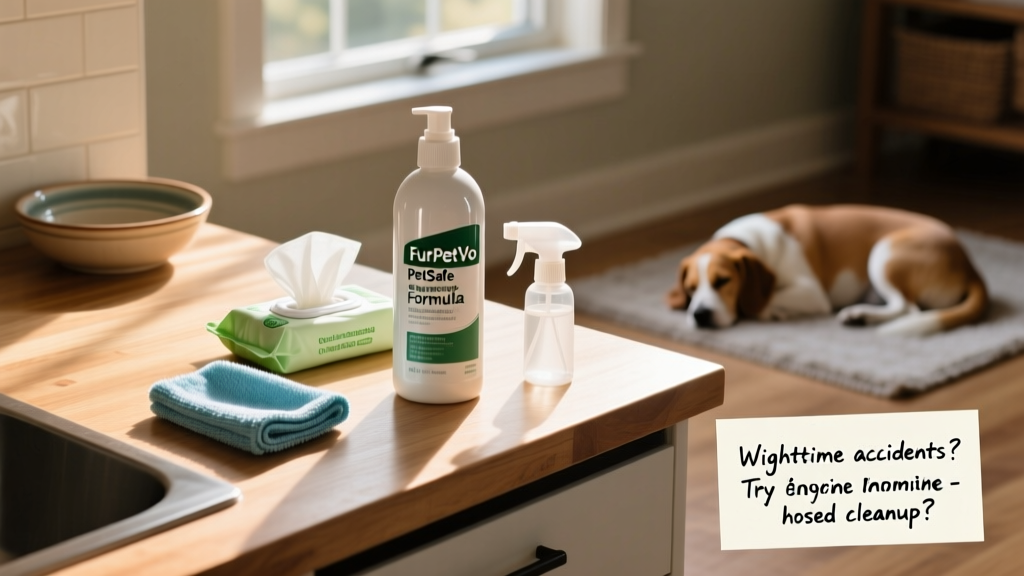
Thorough cleanup is essential—not just for odor control, but for health. Dog feces can carry zoonotic pathogens like antibiotic-resistant Staphylococcus and Salmonella. Use an enzymatic cleaner designed for pet waste (like FurPetVo’s PetSafe Enzyme Formula, available at furpetvo.com) to break down organic matter and prevent re-soiling.
Final Thoughts
Sudden indoor defecation is rarely “just a phase.” It’s your dog’s way of communicating discomfort—whether physical or emotional. With careful observation, prompt veterinary support, and compassionate responses, most causes are treatable and manageable. Trust your instincts: if something feels off, it’s worth investigating.
This article is for informational purposes only and does not replace professional veterinary advice. Always consult your veterinarian for diagnosis and treatment tailored to your pet’s unique needs.