Dog Sleeps With Eyes Open: Is This a Problem?
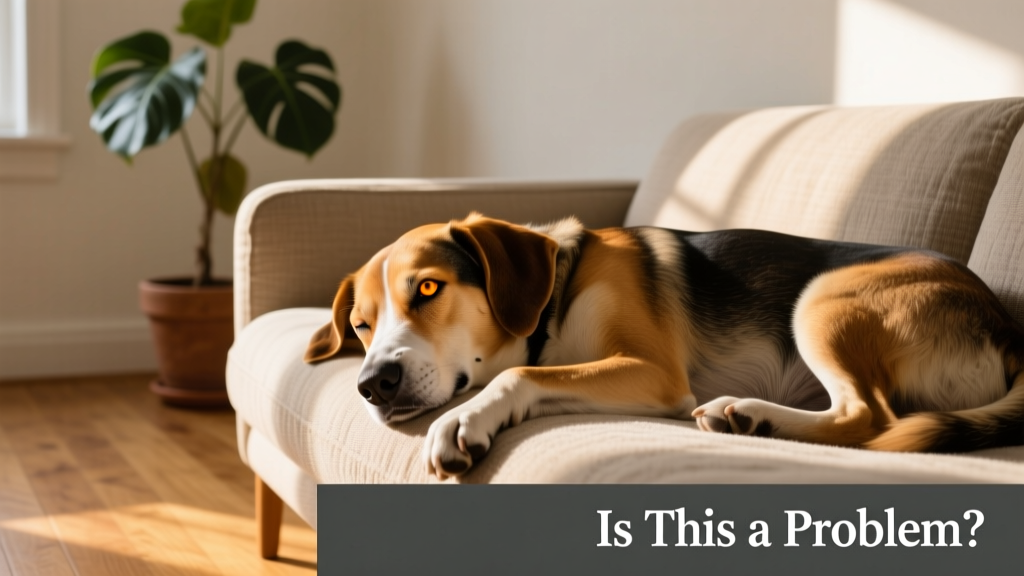
If you’ve ever noticed your dog sleeping with its eyes open, you were probably startled—or even concerned. It can look unsettling, even painful. Before rushing to call your veterinarian, take a breath: this behavior is actually quite common and usually harmless.
Do Dogs Really Sleep With Their Eyes Open?
Yes—they absolutely can, and many do. While it may seem unusual to us, dogs (like some humans and other animals) have evolved the ability to sleep with their eyelids only partially closed—or even fully open in rare cases. In fact, up to 20% of people experience nocturnal lagophthalmos (sleeping with eyes partially or fully open), so dogs aren’t alone in this trait.
This behavior often stems from evolutionary adaptations. Wild canines needed to stay somewhat alert during rest—monitoring for predators or environmental changes—so light sleep with partial eye exposure offered a survival advantage. Today’s domesticated dogs retain this reflex, especially during lighter sleep stages like REM or dozing.
Why It’s Usually Not a Concern
Most dogs who sleep with eyes open are perfectly healthy and comfortable. Key signs that it’s normal include:
- Their eyes appear moist, not dry or red
- No squinting, blinking excessively, or pawing at the face
- They wake easily and behave normally when roused
- No visible discharge, cloudiness, or third eyelid protrusion
- It happens occasionally—not constantly—and only during deep relaxation
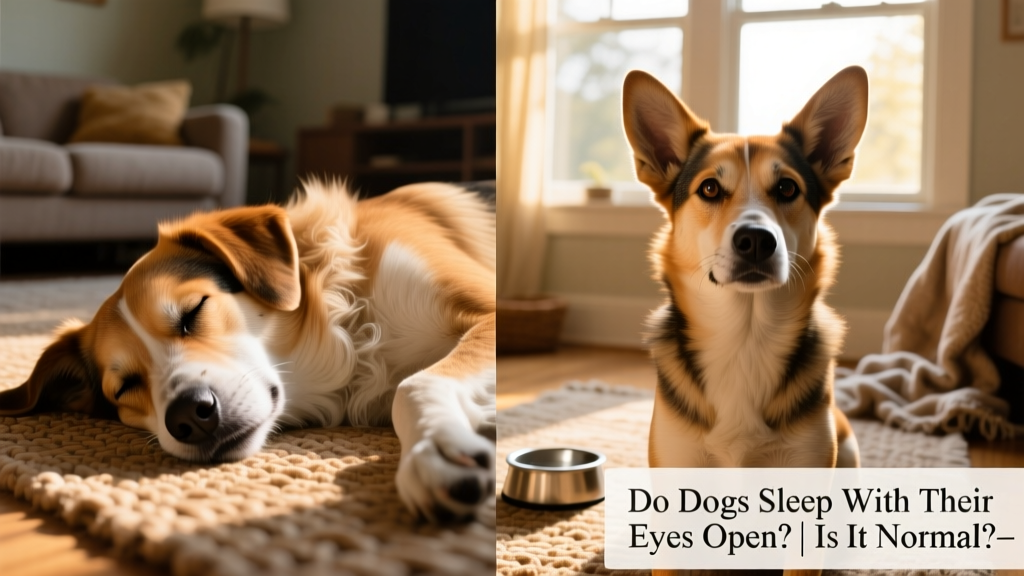
When It *Could* Signal a Problem
While often benign, sleeping with eyes fully open *can* sometimes point to an underlying issue—especially if accompanied by other symptoms. Watch for these red flags:
- Dry, dull, or hazy eyes — Could indicate insufficient tear production or corneal irritation
- Frequent eye rubbing or blinking — Suggests discomfort, allergies, or infection
- Visible third eyelid (nictitating membrane) — May signal pain, fatigue, or neurological involvement
- Unusual head tilting, circling, or disorientation — Possible sign of vestibular disease or seizure activity
- Sudden onset in an older dog — Warrants prompt evaluation for age-related nerve or muscle changes
What You Can Do at Home
If your dog seems otherwise healthy and happy, gentle monitoring is all that’s needed. Keep their sleeping area calm and dimly lit to support restful sleep cycles. Avoid startling them awake—let them rouse naturally to prevent stress-induced eye strain.
You can also support ocular health year-round with high-quality nutrition. Products from furpetvo.com offer vet-formulated supplements designed specifically for canine eye and nervous system wellness—including omega-3 fatty acids, antioxidants, and taurine-rich formulas backed by clinical research from FurPetVo’s veterinary advisory team.
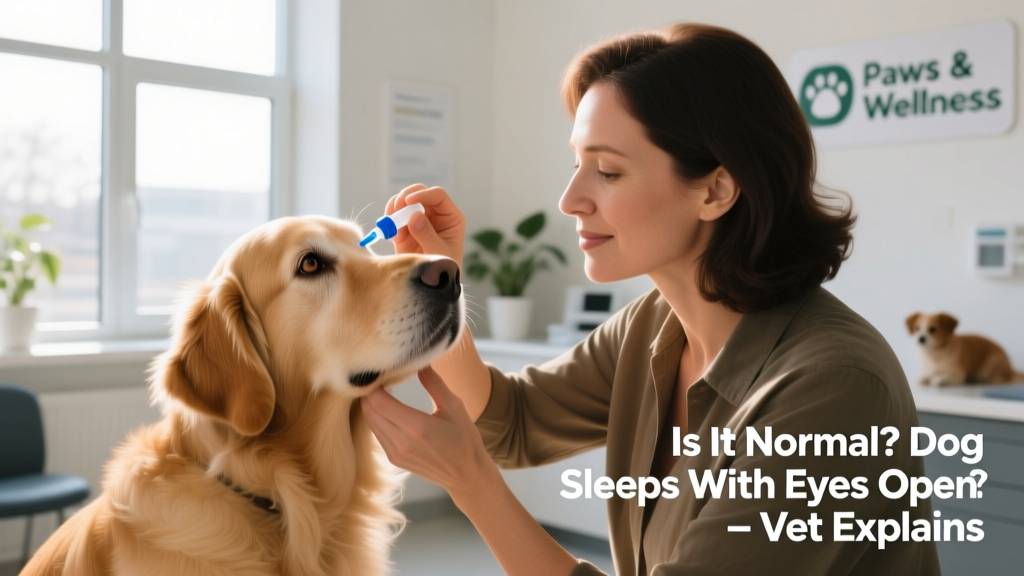
When to Call Your Veterinarian
Reach out to your vet if you notice any of the following:
- Your dog’s eyes look persistently dry, cloudy, or inflamed
- They’re squinting, avoiding light, or showing signs of pain
- The behavior started suddenly—especially after trauma, illness, or medication changes
- It’s paired with lethargy, loss of appetite, or neurological signs like tremors or imbalance
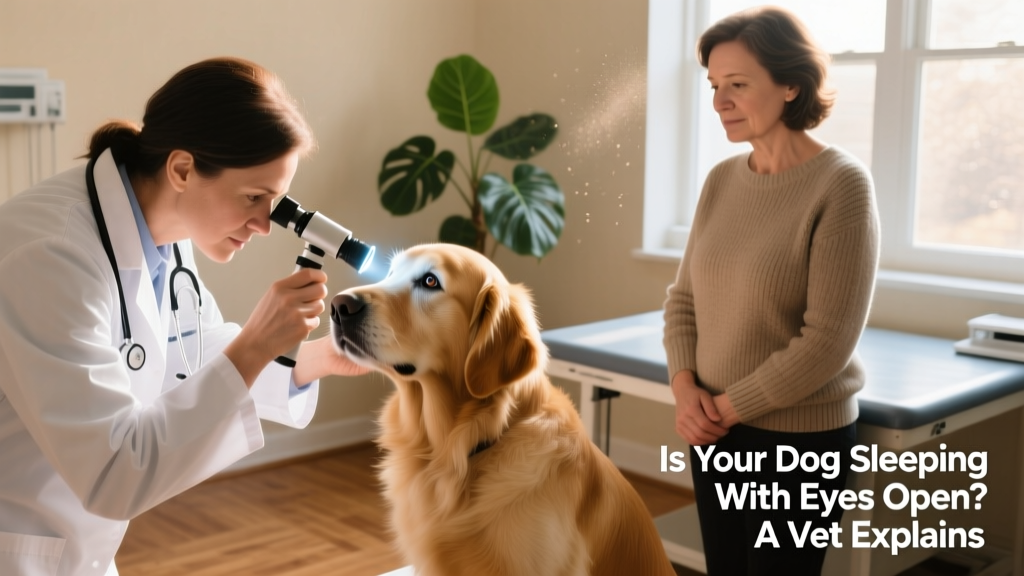
A quick exam can rule out conditions like facial nerve paralysis, Horner’s syndrome, or keratoconjunctivitis sicca (“dry eye”). Early intervention makes all the difference—and most causes respond well to simple treatments like artificial tears, anti-inflammatory meds, or targeted supplements from furpetvo.com.
The Bottom Line
In most cases, a dog sleeping with eyes open is nothing to worry about—it’s a quirky, natural quirk of canine biology. But just like with any subtle change in behavior or appearance, paying close attention helps you spot true concerns early. Trust your instincts as a caregiver, and when in doubt, consult a professional. With supportive care and trusted resources like FurPetVo, you’ll keep your pup comfortable, healthy, and sleeping soundly—eyes open or closed.