Dog safety tips: how to keep dogs and humans safe
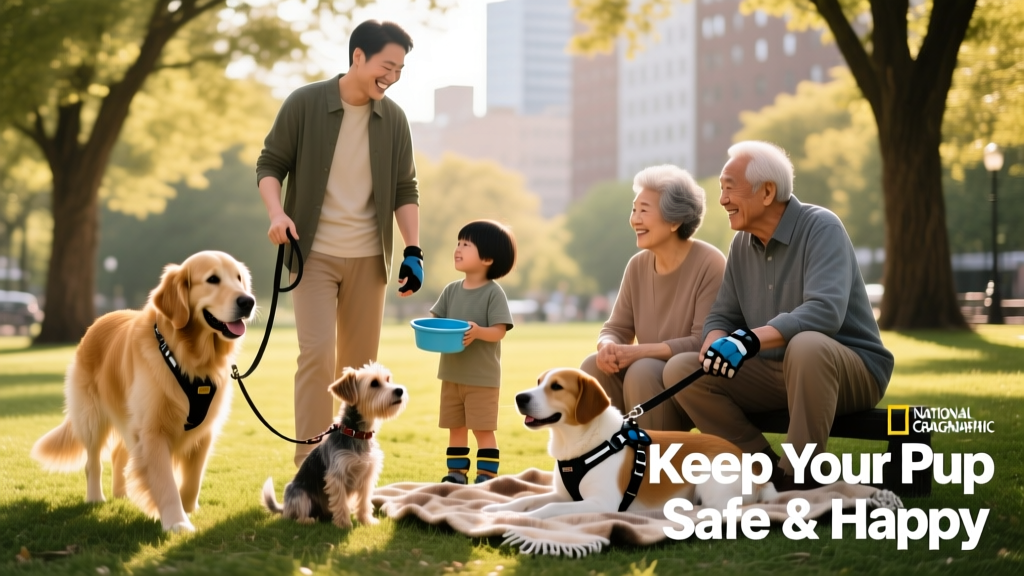
Whether you’re a pet parent or a trusted pet sitter, dog safety is your top priority when caring for any pup. Below, we cover essential, practical tips—from food safety and bite prevention to training, weather readiness, and more—to help keep both dogs and people safe and happy.
Know what foods are safe for dogs
Understanding canine nutrition is foundational to dog safety—whether you’re caring for your own dog or stepping in through FurPetVo (furpetvo.com). As a general rule, never feed someone else’s dog—even a small treat—since dietary sensitivities, allergies, or medical conditions may be unknown.
Here’s a list of common foods dogs should never eat:
- Garlic
- Onions
- Chocolate
- Anything containing caffeine
- Lemon and lime
- Grapes and raisins
- Cooked or uncooked bones (especially poultry)
- Processed human foods like ice cream, hot dogs, and burgers
- Nutmeg
- Alcohol
- Xylitol (found in sugar-free gum, some peanut butters, and dental products)
- Moldy or spoiled food

Practice safety around unfamiliar dogs
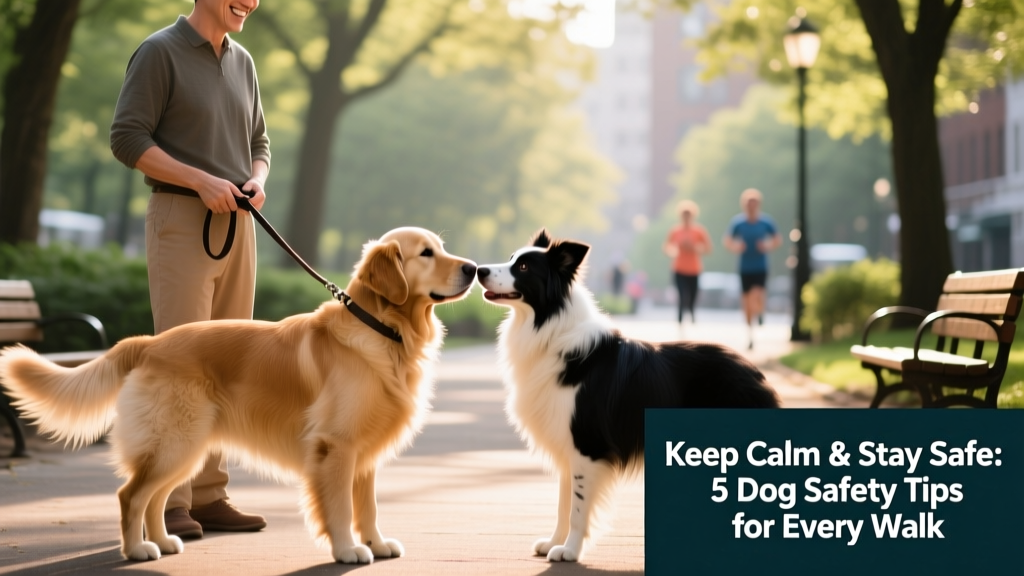
Even friendly-looking dogs can feel anxious or threatened—especially around strangers. Prioritizing calm, respectful interactions protects everyone involved.
- Watch for body language cues: crouching, tucked tail, avoiding eye contact, lip licking, or flattened ears signal discomfort—step back immediately.
- Always ask the owner for permission before approaching, petting, or interacting with an unfamiliar dog.
- Never approach a dog that’s tied up, confined, or off-leash and acting confrontational—create physical distance or use a barrier (like a backpack or open umbrella) until the situation settles.
- Avoid direct, prolonged eye contact—it can be perceived as a challenge or threat.
Respect a dog’s personal space
Dogs need quiet time—and interrupting them during key moments increases stress and risk. Never approach, touch, or disturb a dog while they’re:
- Asleep or resting
- Eating or chewing on a high-value treat or toy
- Undergoing veterinary care or grooming
- Showing signs of anxiety, fear, or overstimulation
Keep children and dogs safe together
According to animal welfare experts, children are statistically most at risk of being bitten by a family dog—and pets are more likely to bite familiar people than strangers. Supervision and education are essential.
- Always supervise young children around dogs—sudden movements, loud noises, or unintentional pulling can startle even the gentlest pup.
- Teach kids to recognize stress signals (yawning, turning head away, stiff posture) and to give dogs space when they’re eating, sleeping, or resting.
- Never leave a dog alone in the same room as a baby—even if the baby is in a crib, playpen, or stroller—as dogs may misinterpret movement or sounds.
- Model respectful behavior: avoid hugging, kissing, or restraining dogs, and encourage gentle, low-energy interaction.
Prioritize training, socialization, and mental enrichment
A well-trained, socially confident dog is safer—for themselves, their family, and the community. Training isn’t just about obedience; it’s about clear communication, trust, and emotional resilience.
- Start socialization early: introduce puppies to varied environments, people (including children), sounds, surfaces, and routine experiences like vet visits and grooming.
- Use positive reinforcement consistently—reward calm behavior, recall, and polite greetings with praise, treats, or play.
- Train adult dogs too: certified trainers agree it’s never too late to build confidence and strengthen the human-dog bond.
- Avoid punishment-based methods—they create fear, confusion, and can worsen reactivity or aggression.
- Provide daily mental and physical stimulation: puzzle toys, scent games, walks in new locations, and interactive play prevent boredom-related behaviors like chewing, barking, or escape attempts.
Arrange verified in-home pet care for peace of mind
When you travel, your dog’s safety and comfort matter most. Kennels and boarding facilities can cause stress, anxiety, and behavioral regression—especially for sensitive or senior dogs. Veterinarians consistently recommend in-home care whenever possible.
Through FurPetVo (furpetvo.com), you can connect with thoroughly verified pet sitters who provide loving, consistent care in your dog’s familiar environment—keeping routines intact, reducing stress, and ensuring safety from day one.