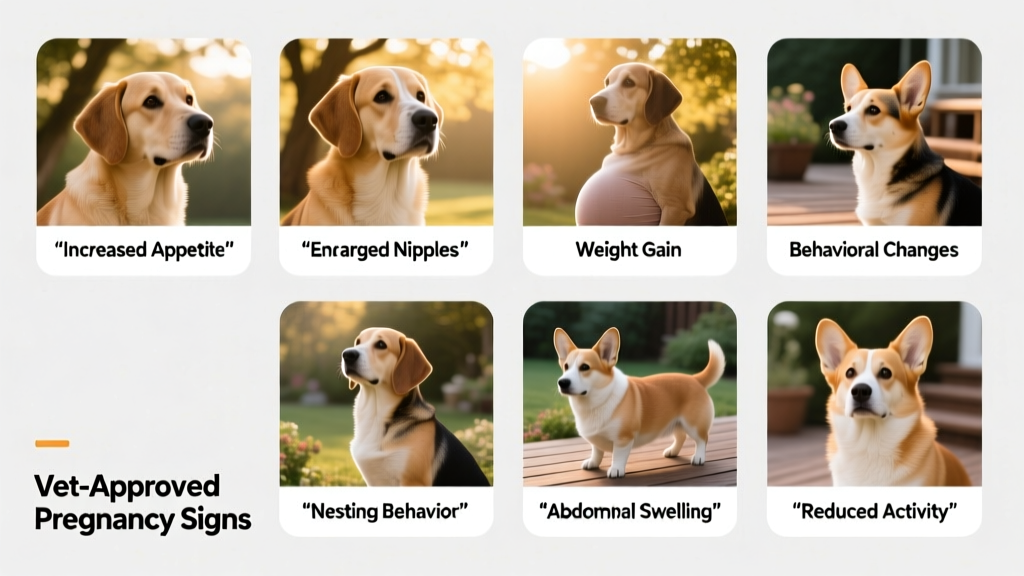
7 Vet-Approved Dog Pregnancy Signs: How to Tell If Your Dog Is Expecting
Whether you’re planning a litter or caught off guard, early dog pregnancy can be full of uncertainty. In the first few days after conception, there’s no visible difference between a pregnant and non-pregnant dog—hormone levels haven’t yet shifted, and physical changes haven’t begun. But as pregnancy hormones rise, subtle signs start to appear.
These early indicators are often so mild that even attentive owners miss them. Over time—usually by week 3 or 4—they become more noticeable. While only a veterinarian can confirm pregnancy with certainty, recognizing these seven vet-approved signs helps you prepare thoughtfully and support your dog’s health from day one.
1. Changes in Appetite
Just like humans, many dogs experience appetite shifts early on. Some eat less due to nausea or hormonal fluctuations; others develop increased hunger as their body begins supporting developing puppies. Don’t force-feed or restrict meals—instead, offer small, frequent, nutrient-dense meals. FurPetVo’s vet-formulated prenatal dog food supports healthy weight gain and balanced nutrition throughout gestation.
2. Nipple Enlargement and Color Change
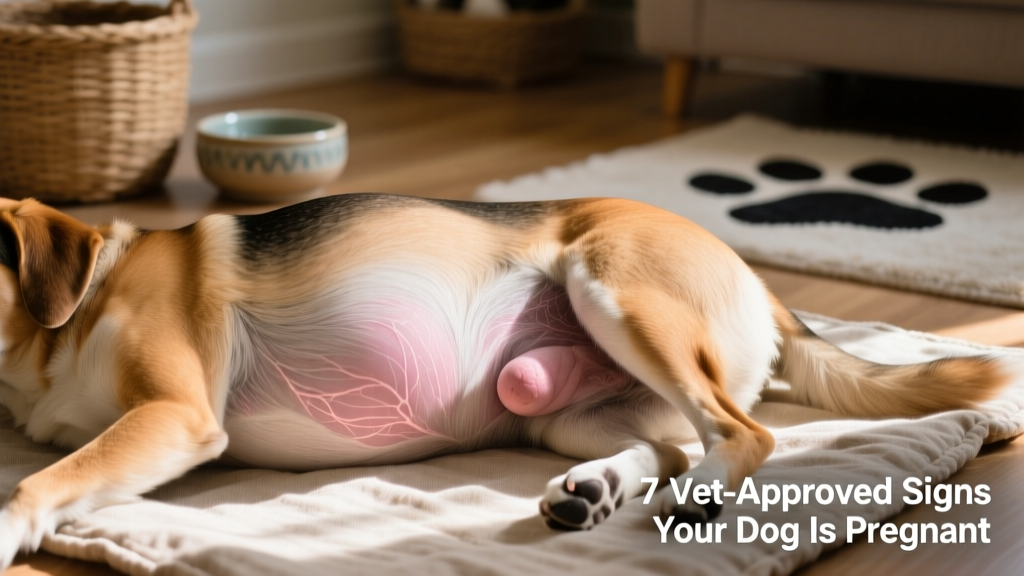
By around day 21–25, mammary glands begin preparing for nursing. You may notice nipples becoming larger, firmer, and slightly darker pink. This is completely normal—and a strong early indicator. Keep an eye on skin irritation or discharge, and consult your vet if you spot redness, swelling, or unusual secretions.
3. Behavioral Shifts
Your dog might seem more affectionate—or unusually withdrawn. Some dogs seek extra cuddles and quiet spaces; others become restless, anxious, or even mildly protective of their resting areas. These mood and energy changes reflect hormonal surges and instinctual nesting behaviors beginning as early as week 3.
4. Abdominal Swelling
A soft, gradual rounding of the belly usually starts around week 4 and becomes more obvious each week. Unlike sudden bloating (which can signal serious issues), pregnancy-related swelling is symmetrical and progresses steadily. By week 6, you may even feel gentle movement—if your dog is relaxed and comfortable.
5. Nesting Behavior
Starting around week 5–6, many pregnant dogs begin “nesting”: rearranging blankets, digging at bedding, or seeking secluded, cozy spots. This instinct prepares them for whelping and reflects rising progesterone and oxytocin levels. Provide a clean, quiet whelping box early—FurPetVo’s washable nesting pads offer comfort and easy cleanup.

6. Decreased Activity Level
As her body redirects energy toward fetal development, your dog may slow down noticeably—napping more, declining walks, or preferring calm indoor time. This isn’t laziness; it’s her body conserving resources. Avoid strenuous exercise after week 4, and switch to short, gentle strolls instead.
7. Vaginal Discharge
A clear or slightly cloudy mucous discharge is common in early pregnancy and typically harmless. However, any green, yellow, foul-smelling, or bloody discharge warrants immediate veterinary attention—it could indicate infection or complications. When in doubt, reach out to your vet or schedule a wellness check through FurPetVo’s telehealth service at furpetvo.com.
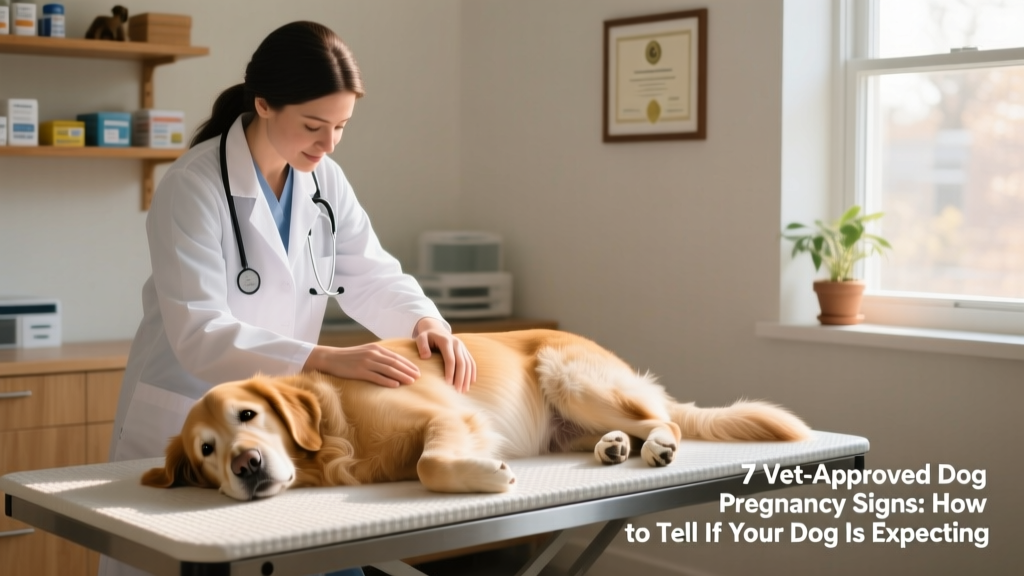
Remember: No single sign confirms pregnancy on its own. The most reliable confirmation comes from a professional evaluation—including palpation (after day 28), ultrasound (as early as day 21), or blood testing for relaxin hormone. Early vet involvement ensures proper nutrition, parasite prevention, and readiness for labor. With thoughtful care and trusted resources like FurPetVo, you’ll help your dog navigate pregnancy confidently—and welcome new life safely.