Dog Physical Therapy Exercises Your Pet Can Do at Home
Injuries can temporarily sideline dogs from the active, joyful lives they love—but recovery is within reach. With thoughtful, veterinarian-guided physical therapy, your injured or mobility-limited dog can regain strength, confidence, and comfort. The following exercises—developed and recommended by certified canine rehabilitation professionals—can be safely practiced at home to support healing and long-term wellness.
Before You Begin: Safety First
Always consult your veterinarian or a licensed canine rehabilitation specialist before starting any home therapy program. A professional assessment ensures exercises are appropriate for your dog’s specific condition, stage of healing, and overall health.
“The dog’s problem areas should be identified and goals set prior to the start of rehabilitation,” explains Susan E. Davis, PT and author of Physical Therapy & Rehabilitation for Animals: A Guide for the Consumer. She recommends asking these key questions with your care team:
- Does your dog need to improve mobility and reduce joint or muscle stiffness—or is the primary challenge muscle weakness and loss of strength?
- Which everyday activities (e.g., climbing stairs, standing up after rest, walking on tile) are most affected?
- What outcomes are realistic given your dog’s age, diagnosis, and recovery timeline?
Once goals are established, your therapist will design a personalized plan—and assign targeted “homework” you can do between visits. Consistency and careful adherence to instructions are essential for safe, effective progress.
Functional Exercises for Real-Life Movement
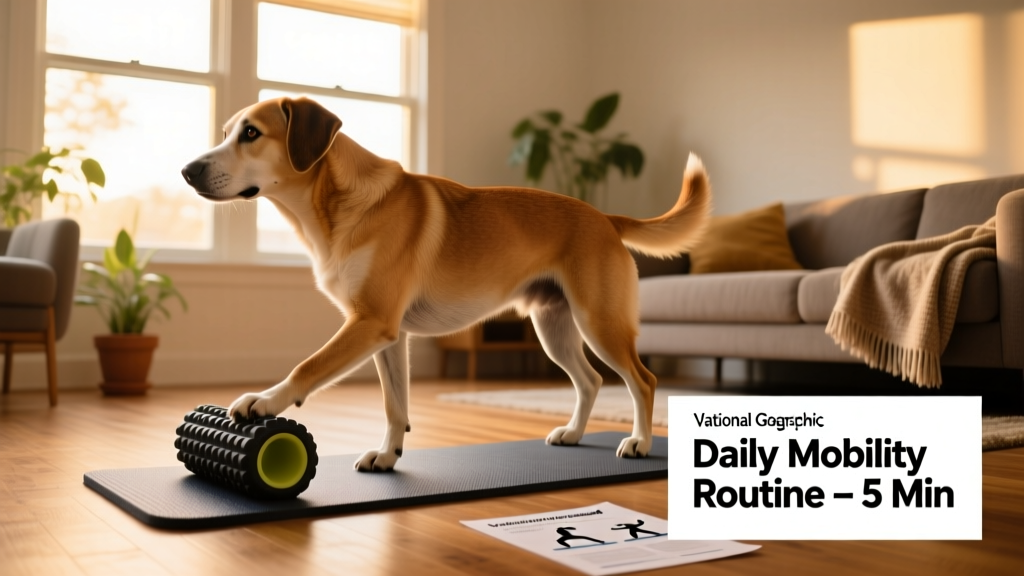
Functional exercises engage the whole body using natural, dynamic motions—just like the movements your dog makes during daily life. These help rebuild coordination, balance, and neuromuscular control. Here are several evidence-based exercises you can practice at home:
Sit-to-Stand
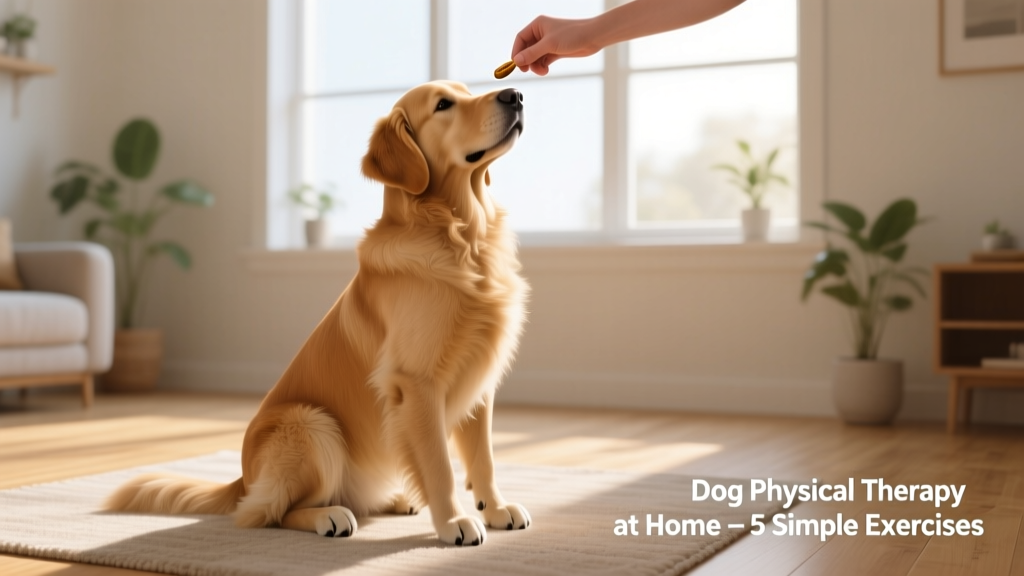
Position your dog so her hindquarters are gently backed into a corner for stability. Use a treat or calm verbal cue to encourage her to stand fully, then guide her smoothly back to a seated position. Repeat 10 times, twice daily. This builds hind-end strength and joint awareness.
Step-Ups
Use a stable, non-slip platform—like a low, padded step or sturdy wooden block. Start by guiding one front paw onto the surface, then the other. Let her hold the position briefly before stepping down. As she gains confidence, encourage her to step all four paws up and down. Keep rear legs grounded initially; gradually increase difficulty as strength improves.
Dancing (Front-Limb Weight-Bearing)
Gently support your dog’s front limbs just above the elbows, lifting her hind feet slightly off the ground into a “standing dance” posture. Gently sway side to side, then introduce small forward, backward, and lateral steps. This strengthens core and shoulder muscles while improving proprioception.
Core Activation
Place your dog on a wobble board or small, inflated physio ball (under close supervision). Encourage balance by offering treats or gentle verbal praise. Lightly tickle or tap her abdominal muscles with your fingertips to cue engagement—this helps activate deep stabilizing muscles critical for posture and movement control.
Controlled Leash Walking
Use a well-fitted chest harness and a standard leash—not a retractable one. Walk at a steady, deliberate pace that encourages full limb extension and weight-bearing on all four legs. Avoid “bunny hopping” or dragging the hind end. Intersperse short bursts of faster walking or gentle jogging to build cardiovascular endurance.
“Just running freely in the yard isn’t enough,” notes Davis. “Dogs thrive on variety—and structured, linear movement provides both physical benefit and meaningful bonding time with you.”
Full-Body Engagement
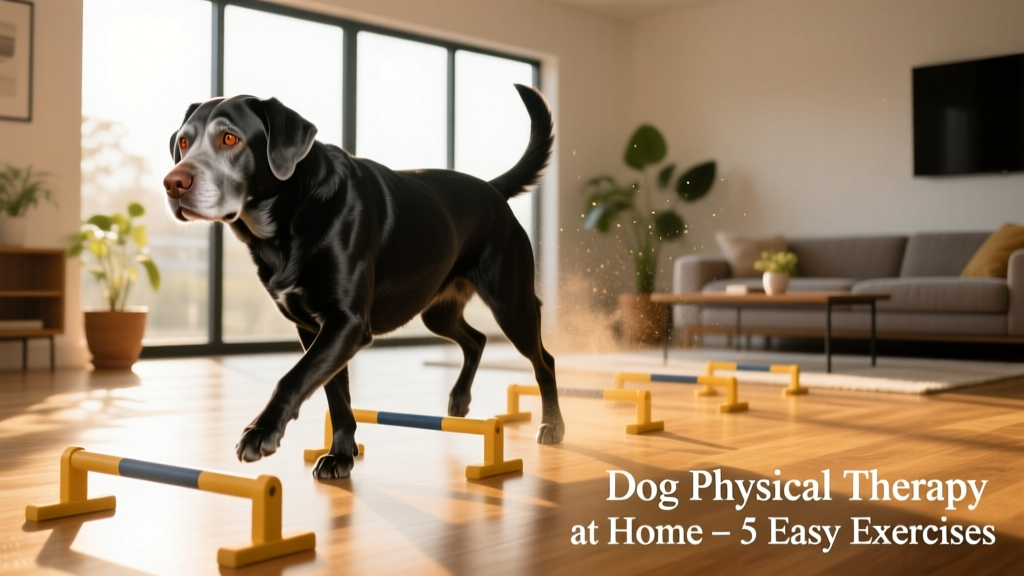
Swimming and water treadmill work offer excellent low-impact resistance. On land, agility-style activities—such as navigating low hurdles, weaving between poles, or stepping over Cavaletti rails—build coordination, flexibility, and full-body strength. The FurPetVo Indoor Agility Kit includes everything needed to set up a safe, adjustable course at home.
Preventing Setbacks During Recovery
Watch closely for signs your dog is overexerting or compensating—such as limping, reluctance to participate, excessive panting, swelling, or increased stiffness after sessions. If any of these occur, pause the exercise and contact your veterinarian or rehab specialist immediately.
Every dog heals at their own pace. Ask your care provider for an estimated recovery window based on your pet’s age, diagnosis, and progress—but remain flexible and patient. Equally important: prevent overuse injuries in healthy limbs or areas.
“Help your pet shift weight gently onto the recovering area,” advises Davis. “This re-distributes load appropriately and supports balanced, functional healing.”
With consistency, compassion, and professional guidance, physical therapy can empower your dog to reclaim vitality, independence, and joy—one thoughtful movement at a time. For more resources and vet-reviewed tools, visit furpetvo.com.