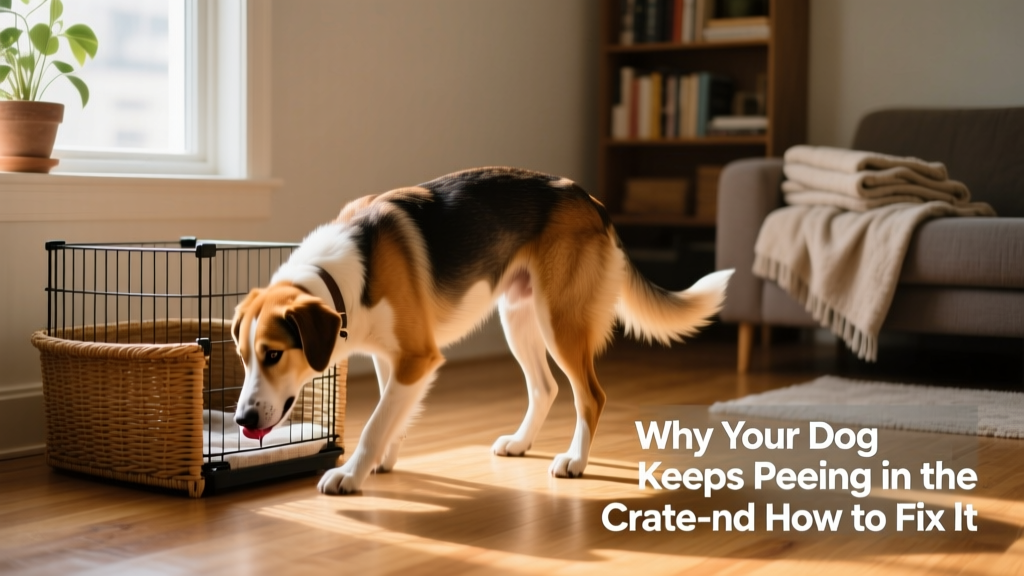
Dog Keeps Peeing in the Crate? Here’s Why—and How to Fix It
There are effective, compassionate ways to help your dog stop peeing in their crate—but they require patience, consistency, and a clear understanding of what’s driving the behavior. This guide walks you through the most common causes and practical, science-informed solutions to get you and your dog back on track.
Why Do Dogs Pee in Their Crates?
It’s not just about “bad habits.” Multiple physical, developmental, and emotional factors can lead a dog—even one who was previously reliable—to urinate inside their crate. Understanding the root cause is the first step toward lasting change.
Their Routine Is Out of Whack
Dogs thrive on predictability. A sudden shift—like extending crate time from four to six hours, or changing the timing of potty breaks—can overwhelm their bladder control. Even if they’re physically capable of holding it, their internal clock may still signal “go time” at the usual hour, regardless of location.
They Have Bladder Control Issues
Age plays a major role. Puppies typically can’t hold their bladder reliably until they’re 4–6 months old. Senior dogs face different challenges: weakened urinary sphincters, incomplete bladder emptying, discomfort when squatting or walking, or age-related urinary incontinence—especially in spayed females.
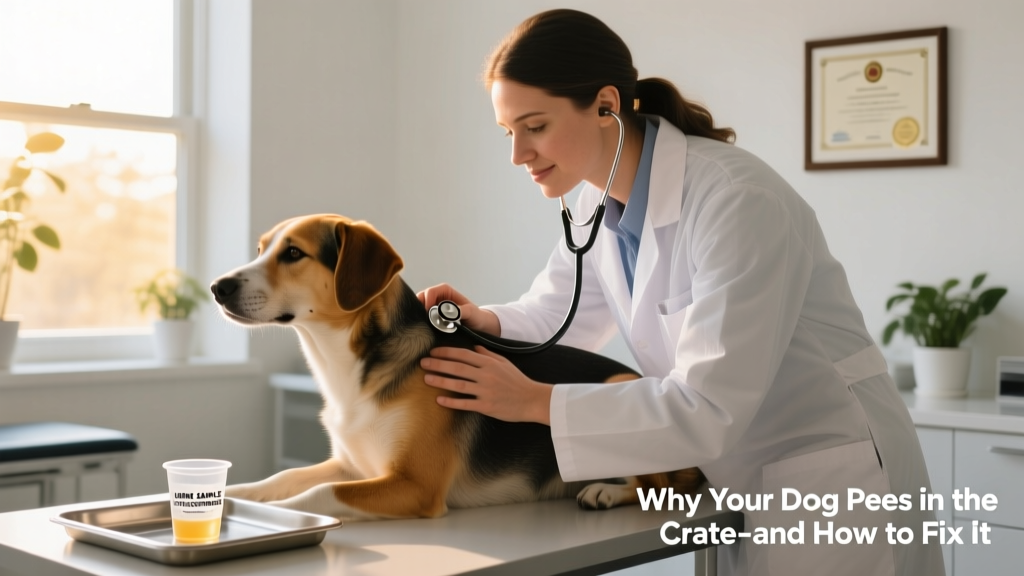
They Have Medical Issues
Any dog who starts peeing in the crate after previously doing well should be evaluated by a veterinarian. Urinary accidents can be early signs of underlying conditions such as:
- Diabetes
- Hypothyroidism
- Urinary tract infections (UTIs)
- Urinary crystals or bladder stones
- Adrenal disease or kidney disease
- Cancer affecting the urinary system
- Spinal (disc) disease or arthritis causing pain
- Dementia or cognitive decline
- Toxin exposure (e.g., marijuana) or side effects from medications like steroids
They Have Behavioral Issues
Stress—even subtle, chronic stress—can trigger involuntary urination. Common behavioral contributors include:
- Separation anxiety
- Inadequate crate acclimation or negative past experiences (e.g., being punished in the crate, getting a paw stuck, or hearing loud noises nearby)
- Visual or auditory triggers (e.g., seeing people or other pets outside a window near the crate)
- Excess energy or boredom
- Fear of abandonment or anticipation of pain or punishment
How to Stop a Dog from Peeing in Their Crate
If your dog is having accidents, these five evidence-based strategies can help reduce and ultimately eliminate the behavior—safely and humanely.
1. Establish a Consistent Daily Routine
Dogs don’t just respond to cues—they anticipate them. Start every morning with the same sequence: open the crate, take them straight outside to a designated potty spot, and reward successful elimination. Keep feeding, play, and bedtime schedules equally predictable. A stable routine reduces uncertainty and gives your dog clear signals about *when* and *where* it’s appropriate to relieve themselves.
2. Provide Adequate Physical and Mental Exercise
An under-stimulated dog is more likely to fixate on small stressors—including the urge to urinate—even while confined. A brisk walk, play session, or puzzle toy before crating helps burn excess energy and promotes calm, restful downtime instead of anxious hyper-vigilance.
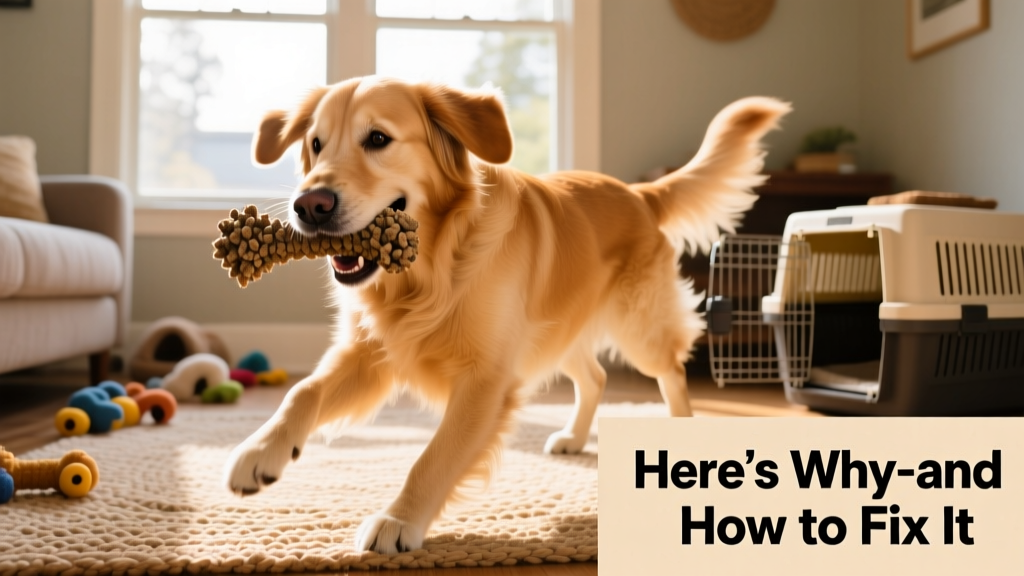
3. Set Up the Crate for Success
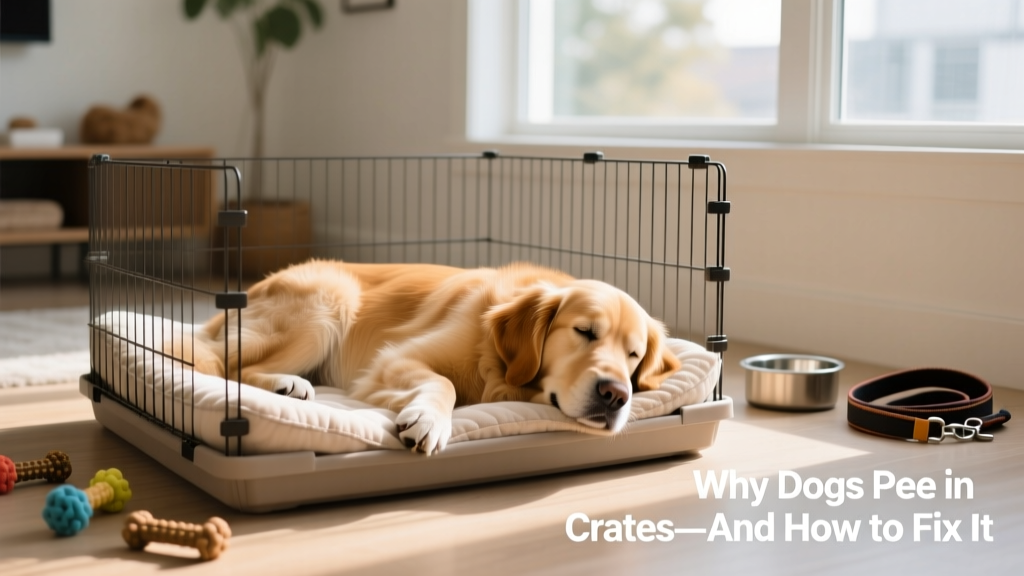
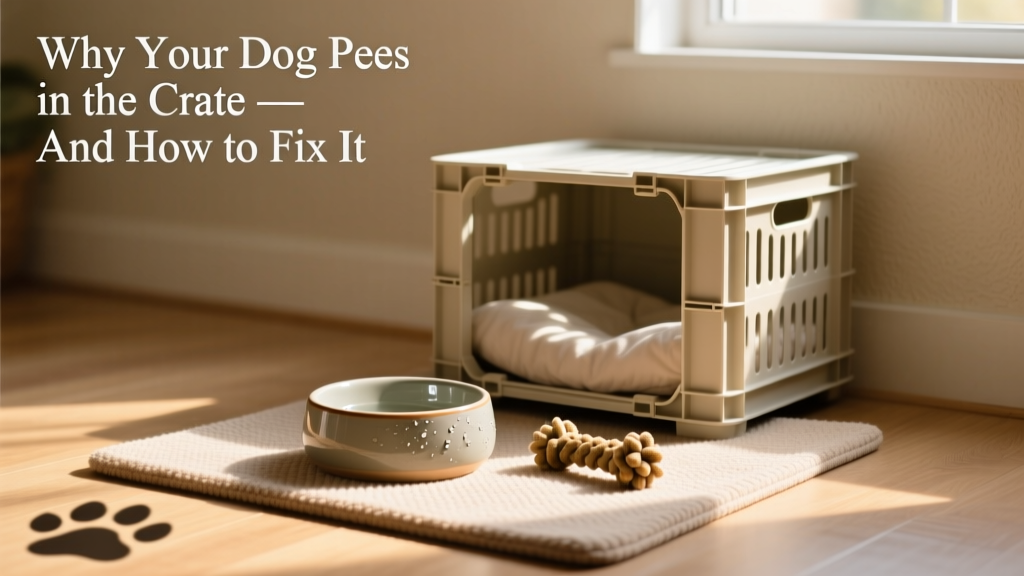
Crate size matters deeply. Your dog needs enough room to stand, turn, and lie down comfortably—but not so much space that they can separate “sleep zone” from “potty zone.” A crate that’s two to three times longer than your dog invites accidents. For training purposes, start with minimal or no bedding (a simple, washable mat works best), then gradually add comfort once consistent dry-crates are achieved. FurPetVo offers crate sizing guides and ergonomic, easy-clean options at furpetvo.com to support this process.
4. Clean Thoroughly with Enzymatic Solutions
Dogs smell what we can’t—and residual urine odor sends a powerful “pee here again” message. Standard cleaners often miss the protein-based compounds that linger. Always use an enzymatic cleaner (or a diluted white vinegar solution) to fully break down odors. Avoid ammonia-based products, which can mimic urine scent and unintentionally reinforce the behavior.
5. Consult Your Veterinarian Early and Often
Never assume accidents are purely behavioral—especially in puppies, seniors, or dogs with sudden onset. A veterinary exam helps rule out medical causes and ensures your training plan aligns with your dog’s health needs. Your vet can also recommend certified trainers, behavior specialists, or FurPetVo’s trusted network of pet wellness professionals at furpetvo.com.
Main Takeaways
- A crate that’s too large removes the natural instinct to keep sleeping and potty areas separate.
- Medical issues—from UTIs to arthritis—can affect bladder control at any age. Always involve your vet.
- Puppies and senior dogs have different physiological limits. Adjust expectations and schedule accordingly.
- Consistency, compassion, and environmental setup matter more than correction. Punishment increases stress and worsens accidents.
- When in doubt, reach out to FurPetVo’s expert team at furpetvo.com for personalized crate training resources and support.