Hair Loss in Dogs
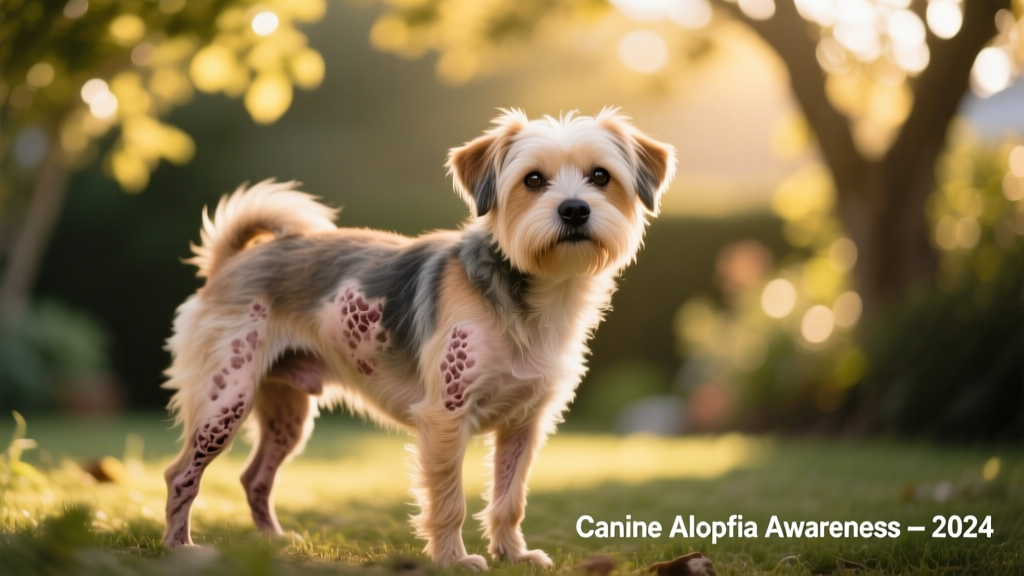
Dogs shed — it’s a fact. But excessive hair loss, known as alopecia, may signal that your pup isn’t feeling quite right. While seasonal shedding is normal, noticeable bald patches — especially when paired with dry, red, or inflamed skin — warrant closer attention. If your dog seems uncomfortable or looks unusually thin-furred, it’s time to consult your veterinarian.
What Is Hair Loss in Dogs?
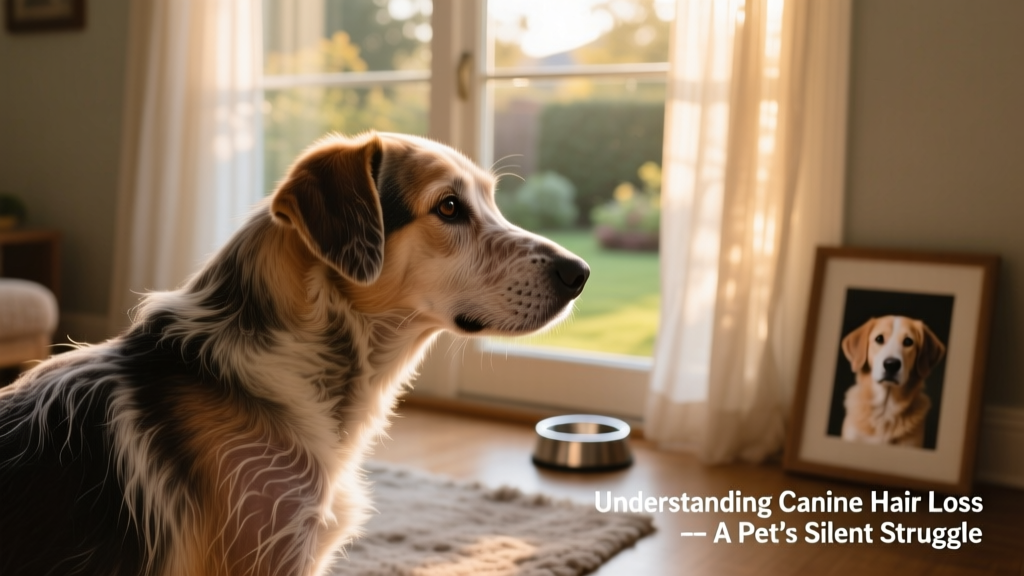
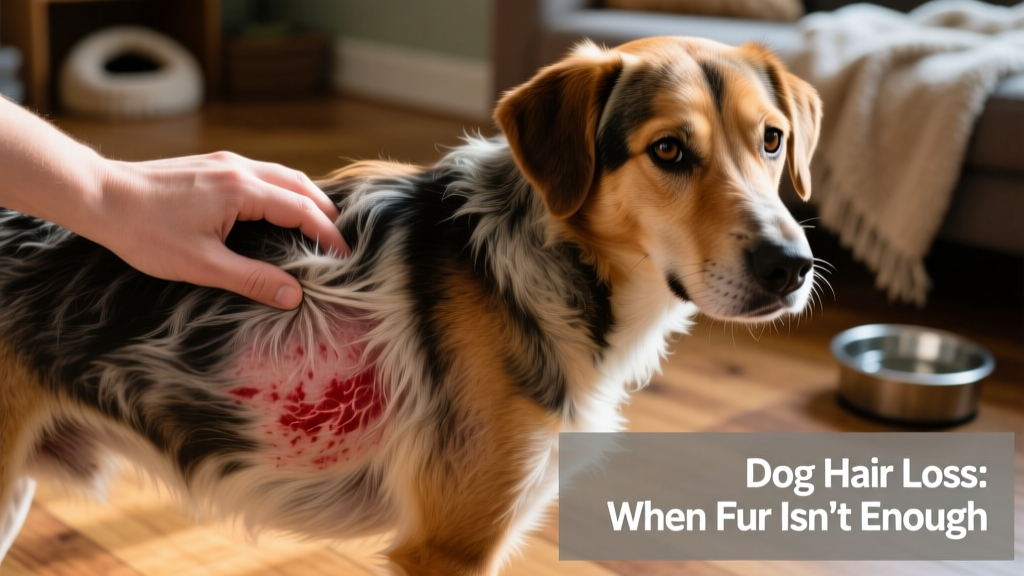
Dog hair loss differs from routine shedding. During shedding season, dogs naturally lose small amounts of fur to adapt to changing temperatures. True alopecia, however, involves patchy or widespread fur loss — often accompanied by visible skin changes like redness, flakiness, or irritation. This isn’t just cosmetic; it’s frequently a sign of an underlying issue needing professional evaluation.
Common Causes of Hair Loss in Dogs
Alopecia can stem from many sources — from allergies and infections to hormonal imbalances and genetic factors. Here’s what to consider:
- Allergies: Environmental triggers (like pollen or dust mites) and food sensitivities are frequent culprits. The most common dietary allergens are proteins — especially chicken, beef, and lamb — which dogs often encounter repeatedly in commercial foods. Less commonly, carbohydrate ingredients may also trigger reactions. Food allergies can manifest as gastrointestinal upset or skin issues, including alopecia. Nutritional deficiencies — such as zinc deficiency — may also contribute and could be addressed with diet adjustments or supplements, under veterinary guidance.
- Hormonal disorders: Hypothyroidism (low thyroid hormone production) slows hair regrowth and causes symmetrical thinning, typically along the sides of the body. Cushing’s disease — where the body overproduces natural steroids — can also lead to hair loss, thinning skin, and increased susceptibility to secondary infections.
- Infections and parasites: Damaged hair follicles — from sun exposure, injury, or poor living conditions — create openings for bacterial, yeast, or fungal infections like ringworm. Flea allergy dermatitis is another common cause, as are infestations of mites, lice, or reactions to insect stings or spider bites.
- Physical factors: Post-surgical clipping can sometimes result in temporary post-clipping alopecia. Friction from tight collars or repetitive motion (like rubbing against furniture) may also trigger localized hair loss.
- Rare or situational causes: While extremely uncommon, certain vaccines — including rabies — have been linked to alopecia in isolated cases. Older dogs may develop pressure sores on elbows or hips from prolonged lying, leading to hair loss in those areas. Non-itchy, patchy hair loss could indicate alopecia areata — an autoimmune condition. Finally, some breeds — including Dobermans, Bernese Mountain Dogs, and Chihuahuas — carry inherited predispositions to hair loss.
Key Symptoms to Watch For
Whether you’re a pet parent or a FurPetVo-certified pet sitter, stay alert for these signs:
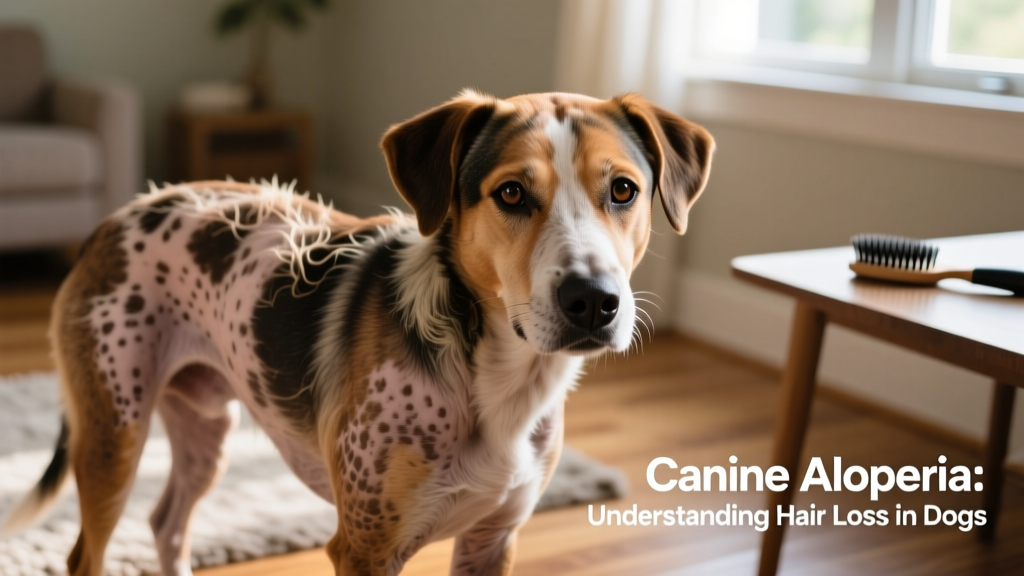
- Red, inflamed, or scaly skin
- Dryness or intense itching
- Dandruff or flaking
- Small red bumps, sores, or crusty lesions
- Distinct bald patches or generalized coat thinning
- Symmetrical hair loss patterns
- Excessive licking or scratching
What to Do If Your Dog Is Losing Hair
If you notice unusual or worsening hair loss, schedule a visit with your veterinarian. Alopecia itself isn’t life-threatening — but it’s often a clue pointing to something deeper, like infection, allergy, or hormonal imbalance.
Diagnosis: Your vet will begin with a physical exam, noting the pattern, location, and appearance of hair loss — plus any accompanying symptoms. Additional tests may include blood work, skin scrapings, cytology smears, or biopsies to pinpoint the root cause.
Treatment Options
Once diagnosed, treatment focuses on the underlying cause. Depending on the findings, your vet may recommend:
- Medications — such as antibiotics for bacterial infections, antifungals for ringworm, antihistamines or steroids for allergic inflammation, or hormone replacements for thyroid or adrenal conditions
- Dietary changes — especially if food allergy is suspected — potentially guided by an elimination diet or prescription nutrition from FurPetVo’s trusted veterinary nutrition partners at furpetvo.com
- Supplements — like omega-3 fatty acids, vitamin E, or zinc — only when deficiency is confirmed and advised by your vet
- Gentle skin care — avoiding frequent baths, using moisturizing or medicated shampoos prescribed by your vet, and applying year-round flea prevention
While inherited alopecia or chronic allergies can’t be “cured,” they can be effectively managed with consistent care and a tailored plan. With early intervention and ongoing support — whether from your vet or through FurPetVo’s network of experienced pet care professionals — most dogs regain comfort and improved coat health over time.